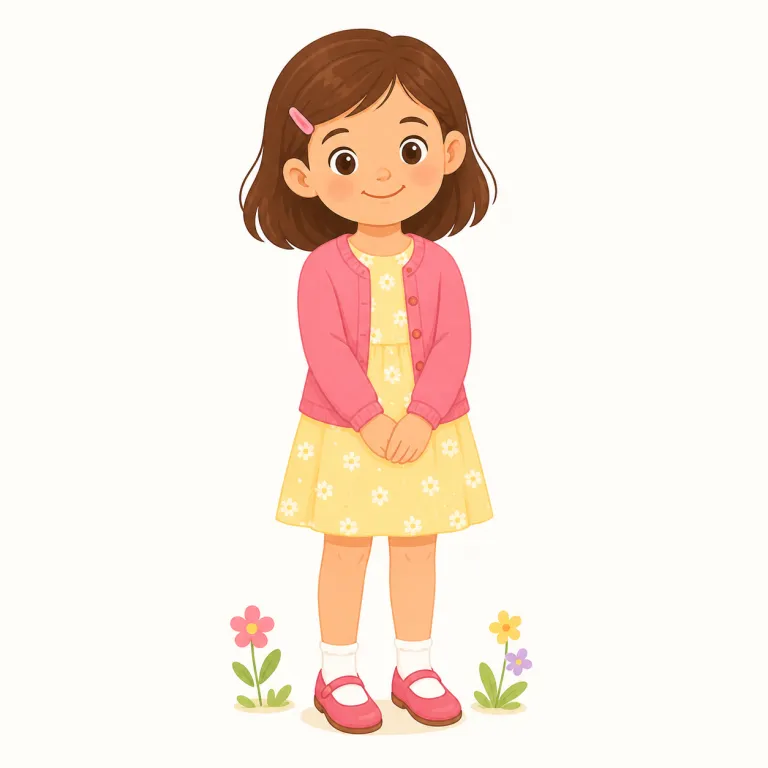
少女
解説 Definition
若くて親しみのある女性や少女を指す言葉。特にスコットランドやイングランド北部で使われる口語的な表現で、優しく呼びかける語感がある。日常会話や民話の文脈で使われることが多い。
A lass is a girl or young woman. It is an old-fashioned or regional word, especially used in Scotland and northern England, so it sounds more traditional than neutral modern English.
覚え方のコツ Memory Tip
`lad` が「若い男性/少年」なら、その女性側が `lass` とセットで覚えると定着しやすい語です。単体で難しく見えても、`lassie`(少女、小娘)の短い形・仲間だと思うとつながります。現代の標準的な一般語というより、スコットランドやイングランド北部の、やや地方色のある親しげな呼びかけで使われるのがポイント。`girl` よりくだけて温かい感じで、民話・歌・昔話の場面を思い浮かべると覚えやすいです。`loss` や `last` と見間違えないよう注意。
Lass is a simple old-fashioned word for a young girl. It pairs well with lad, which means a young boy. Remember the two together: lad and lass.
例文
The lass waved from the harbor as the ship sailed away.
船が出航するとき、少女が港から手を振った。
Every winter the lass helps her family tend to the sheep.
その少女は毎冬、家族が羊の世話をするのを手伝う。
A brave lass volunteered to lead the scouts through the woods.
勇敢な少女が、森の中を通ってスカウトたちを案内すると申し出た。
lass の類義語・関連語
lass の語源・成り立ち Etymology
lass は中英語 lass に由来し、「若い娘・少女」を表す語として使われました。さらに古ノルド語系までさかのぼると考えられますが、詳しい起源は不確かです。関連語は lad, lassie で、若者を親しみをこめて呼ぶ感じが残ります。
Lass has been used since Middle English to mean a young girl or young woman. It is probably from a Scandinavian source, but its exact origin is uncertain. The word kept a familiar, informal feeling through time. It is closely linked with lad and lassie.
同じレベルの語彙をもっと
外部辞書で調べる
この英単語をクイズで覚えよう