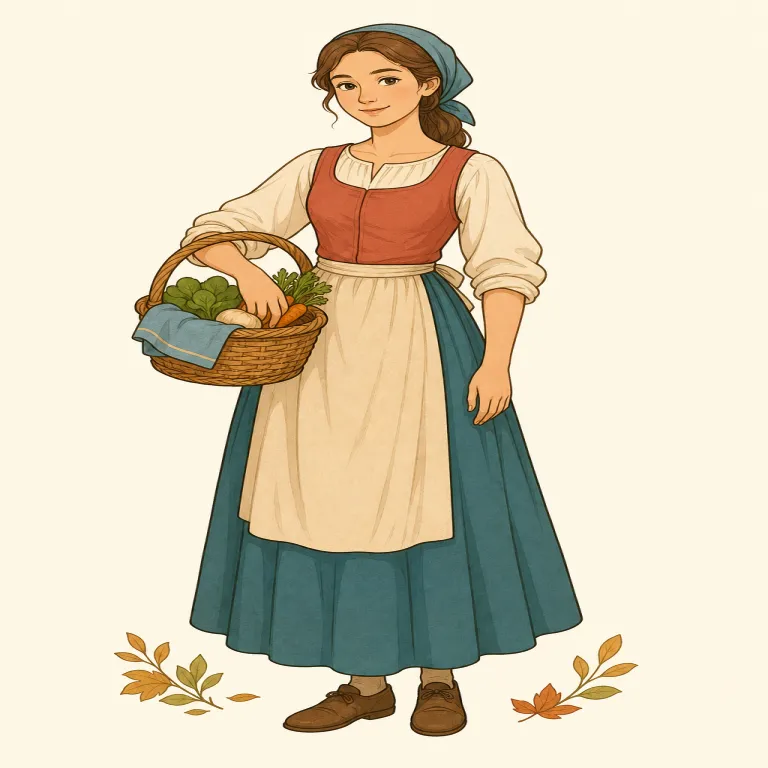
若い女
解説 Definition
歴史的には、若い女性や女の子を指す非公式で時には軽蔑的な表現です。現代ではほぼ使用されず、古風またはスラングの感覚があります。
A wench is an old-fashioned word for a girl or a female servant. In modern English, it often sounds rude or insulting if used for a woman, so learners should be careful with it. It is mostly seen in historical writing or in playful fantasy language.
覚え方のコツ Memory Tip
wench は単独で暗記するより、『海賊物・中世風ファンタジー・古い酒場』の場面とセットで覚えると残りやすい語です。maid や servant が職業名として比較的中立なのに対し、wench は若い女性をぞんざいに呼ぶ、古風でやや軽蔑的な響きがあります。bar wench, serving wench のように出たら、『女中』という訳だけでなく、『荒っぽい男が下に見る感じで呼ぶ若い女』まで一緒に思い出すと定着します。現代の普通の会話で自分から使う語ではない、という注意も強い記憶フックになります。
`Wench` sounds old, rough, and a little insulting. Picture a pirate story or an old tavern with phrases like `bar wench` or `serving wench`. That helps you keep it separate from neutral words like `maid` or `servant`.
例文
In medieval taverns, a wench would serve ale and food to the patrons.
中世の居酒屋では、若い給仕女が客にエールと食べ物を出していました。
In Shakespeare's plays, a wench often appeared as a witty and clever character.
シェイクスピアの劇では、若い女性がしばしば機知に富んだ賢い人物として登場していました。
The word wench is rarely used in modern English except in historical or comedic contexts.
wench という若い女性を指す言葉は、歴史的または喜劇的な文脈を除いて、現代英語ではほぼ使用されません。
wench の類義語・関連語
wench の語源・成り立ち Etymology
wench は中英語 wenche に由来し、さらに古英語 wencel「子ども」にさかのぼると考えられます。もとは若い者全般の語で、そこから「娘」「女中」へ意味が狭まりました。さらに遠くは「ぐらつく」を表す語根に結びつくとされ、wink が遠い同根語です。
Wench comes from Middle English wenche, and it is usually linked to Old English wencel, meaning a child or young person. It first referred to young people in general, then narrowed to a girl or young woman, and later often to a female servant. It may also be connected in a distant way to an old root meaning "to sway" or "bend," with wink sometimes mentioned as a very remote relative.
同じレベルの語彙をもっと
外部辞書で調べる
この英単語をクイズで覚えよう