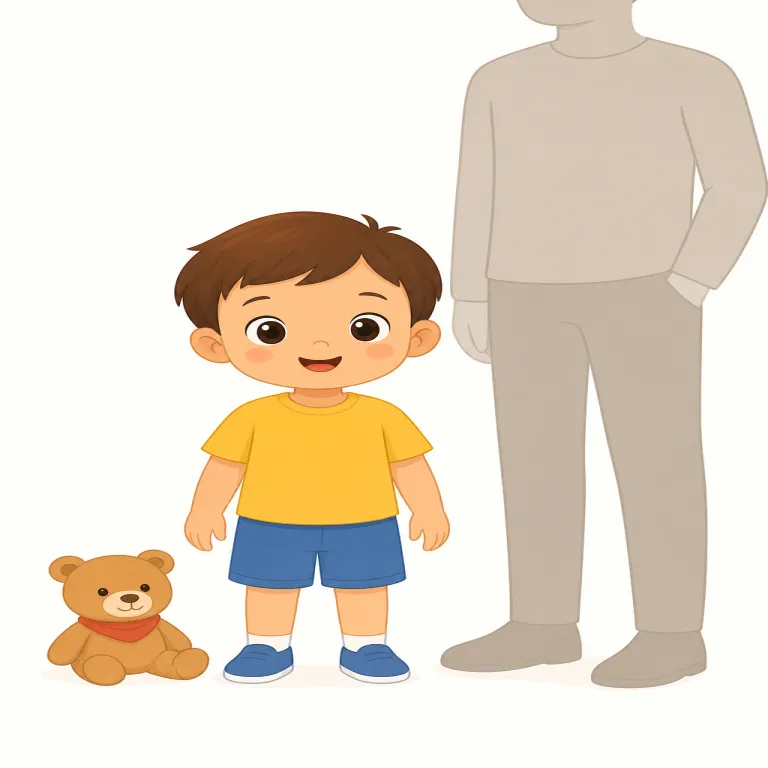
動物の子、幼獣
noun 名詞名詞として、人間以外の動物の子、特にまだ成長しておらず親に養われる幼い個体を集合的に指します。通常は複数の子をまとめて表し、種ごとの固有の名称を使わずに、ある動物の子全体について述べる場合に使われます。
この語は形容詞で、年齢的に若い人や動物を表す。成熟前の状態や人生の初期段階にあることを指す。比喩的に、新しいものや始まったばかりの状態にも用いられる。
Young means being at an early stage of life or growth. It is used for people, animals, and sometimes things that are new or not old.
まず old の反対語として固定すると早い。young は人・動物の「年齢が若い」が中心で、物の新しさを言う new とは守備範囲が違う。a young man, young children, die young, when I was young など、年齢や人生の時期を表す語と一緒に出ることが多い。さらに younger / youngest, youth までまとめて覚えると記憶がつながる。植物・会社・国にも使え、その場合も核は「できたばかりで、まだ成熟しきっていない」だと押さえる。
Anchor it first as the opposite of `old`. `Young` is mainly about age, while `new` is about something recently made or bought. It is easy to remember through patterns like `a young man`, `young children`, `die young`, and `when I was young`.
The young boy smiles.
その若い男の子はほほえむ。
A young girl runs fast.
若い女の子が速く走る。
This young child likes milk.
この幼い子どもは牛乳が好きだ。
文脈によって、次の意味でも使われます。
名詞として、人間以外の動物の子、特にまだ成長しておらず親に養われる幼い個体を集合的に指します。通常は複数の子をまとめて表し、種ごとの固有の名称を使わずに、ある動物の子全体について述べる場合に使われます。
youngは古英語 geong、さらにゲルマン祖語 *jungaz にさかのぼる語です。接頭辞などに分けにくい基本語ですが、核には「まだ十分に育ちきっていない」という感覚がある。youthやjuniorも同じ若さの発想を分け持つ仲間。
Young comes from Old English geong and goes back to Proto-Germanic *jungaz. It is an old basic word rather than one easily divided into parts. Its central idea is someone or something not yet fully grown, and it is related in sense to youth and also to Latin-based junior.
この英単語をクイズで覚えよう