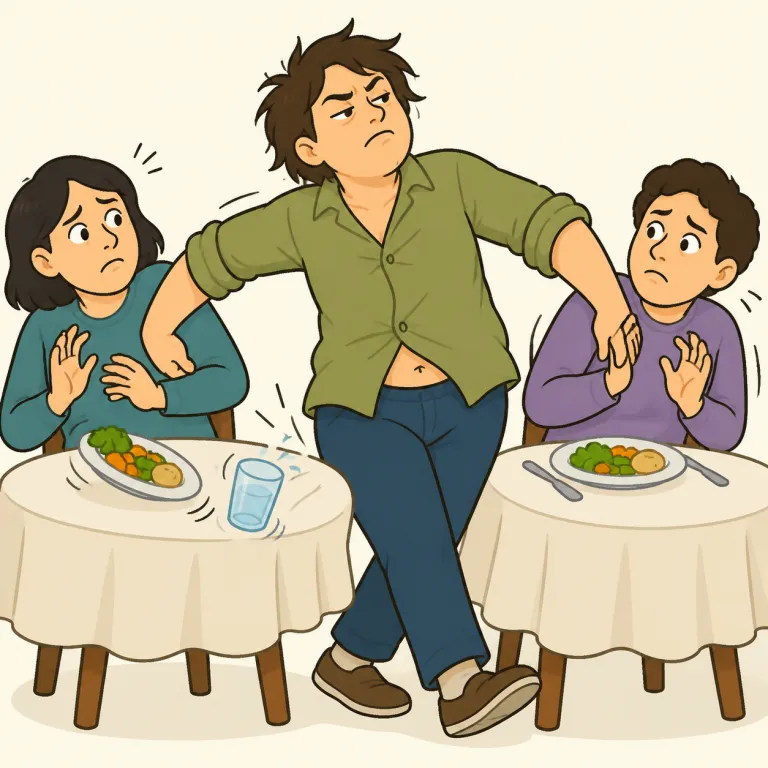
粗暴な人
解説 Definition
礼儀や教養に欠ける粗暴で無作法な人、または失礼で下品な行動をする者。社会的に不適切で扱いにくい人物を指す。
A lout is a rude, unpleasant person with bad manners. The word often suggests someone who is rough, noisy, or not socially polite. It is a negative and somewhat old-fashioned insult.
覚え方のコツ Memory Tip
覚えるときは「粗暴な人」だけで止めず、「礼儀知らずで下品な人」まで一緒に入れるのがコツです。単に強い人・怖い人ではなく、ふるまいが乱雑で周囲を不快にするタイプ。よく a drunken lout, rude lout, act like a lout のように使われます。thug が犯罪的な暴漢寄り、boor が無作法寄りなら、lout はその中間で「ガサツで品のない嫌なやつ」という像で覚えると定着します。
Remember `lout` as more than just a rough person: it suggests bad manners too. Common pairs like `rude lout` or `drunken lout` help fix the tone. It sits between `boor` and `thug`: uncivil, unpleasant, and coarse.
例文
He behaved like a complete lout at the dinner party.
彼はディナーパーティーでまったく無作法に振る舞った。
The lout pushed through the crowd without saying excuse me.
その粗暴な人物は『失礼します』と言わずに群衆を押し分けた。
Don't invite him; he's such a lout and will embarrass everyone.
彼を招待しないでください。彼は本当に無作法な人で、みんなに恥をかかせるだろう。
lout の類義語・関連語
対義語
紛らわしい語
lout の語源・成り立ち Etymology
lout は16世紀の英語で、語源は断定できませんが、中英語 louten「身をかがめる」が有力で、さらに古英語 lūtan「曲がる・頭を下げる」にさかのぼるとされます。背を丸めてもたつく人の姿から、無作法で粗暴な人を指すようになったと考えると納得しやすい語です。関連語は loutish, 古語 lout「おじぎする」。
Lout appeared in English in the 1500s, but its exact origin is not fully certain. It is often connected with Middle English louten, "to bend" or "stoop," from Old English lutan, "to bow down." The idea may have shifted from a clumsy, bent posture to the image of a rude and awkward person. A related word is loutish.
同じレベルの語彙をもっと
外部辞書で調べる
この英単語をクイズで覚えよう