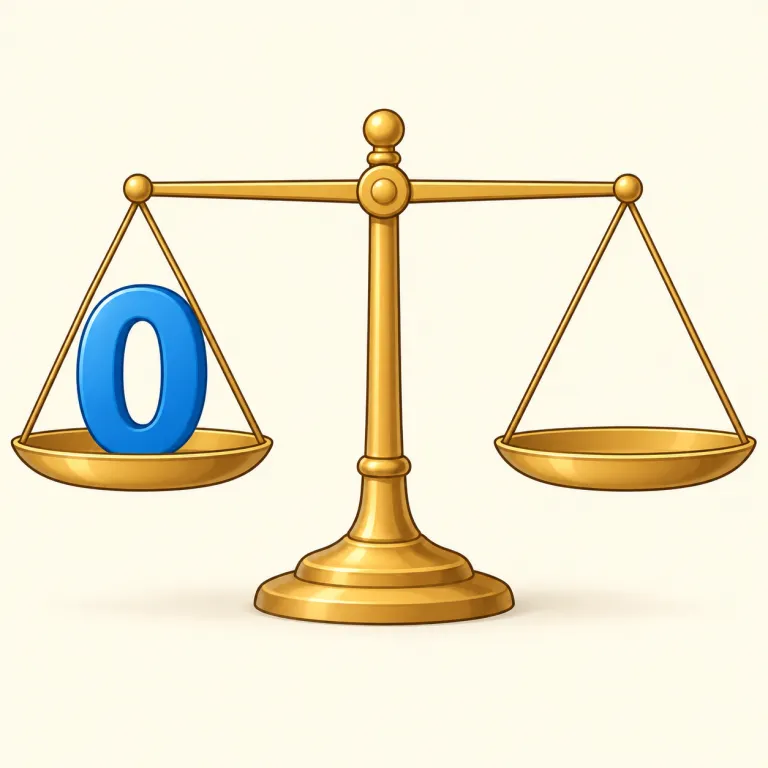
naught
naught は英検1級レベルの英単語で、「何もない、ゼロ」という意味があります。発音記号は /nɔːt/ です。
意味一覧 (2件)
何もない
解説 Definition
何もない、ゼロ、無。数学における値がない状態や、存在しないことを表す。
Naught means nothing or zero. It is an old-fashioned or literary word, so it is not common in everyday conversation. It may also appear in fixed expressions or older writing.
覚え方のコツ Memory Tip
まず "no" の感覚でつかむと覚えやすい語です。naught / nought は「何もない・ゼロ」で、数字の 0 や、努力が「むだになる」感じにもつながります。特に all for naught / come to naught をセットで覚えると強いです。「全部むだ」「結局なにも実らない」という場面が思い浮かびます。つづりが似た naughty は「いたずらな・悪い」で別語なので混同注意。
Think of `naught` as an old-fashioned relative of `nothing` or `zero`. It is easiest to remember in fixed phrases like `all for naught` and `come to naught`. Be careful not to confuse it with `naughty`, which is a completely different word.
例文
After all their efforts, their work came to naught.
あらゆる努力にもかかわらず、彼らの仕事は水の泡となった。
The promise of improvement proved to be naught but empty words.
改善の約束は単なる空虚な言葉にすぎないことが明らかになった。
His ambitions came to naught when he failed the exam.
彼は試験に落ちたため、野心は水泡に帰した。
ゼロ
(意味 2)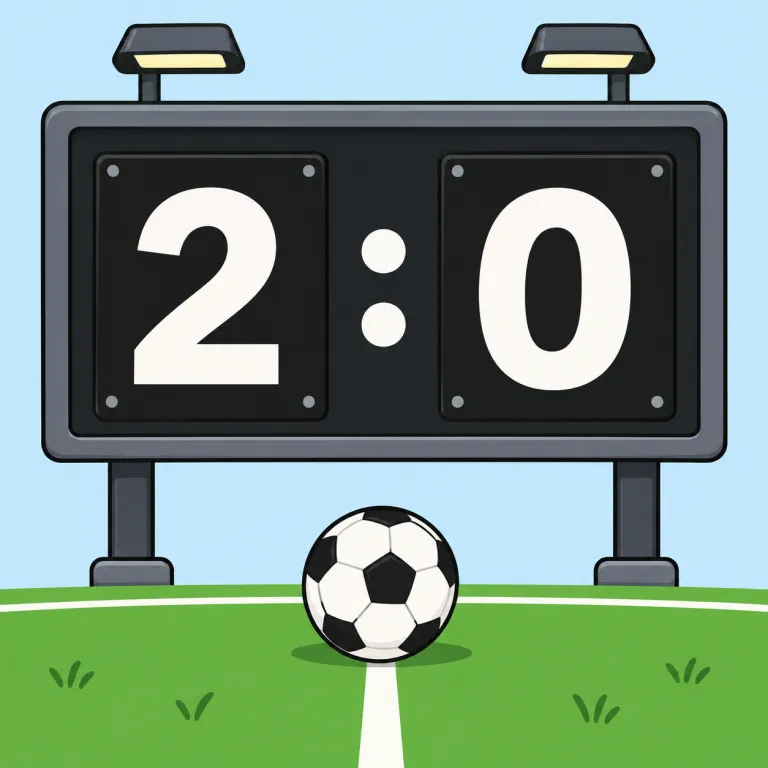
解説 Definition
数の0を表す語です。やや古風または英国英語寄りの響きがあり、数字の読み上げや点数、年号、電話番号などで使われることがあります。『何もないこと』よりも、数値としての0を指す用法です。
The number zero. This spelling can sound archaic or occur as a variant when reading scores, codes, or other sequences of numbers.
覚え方のコツ Memory Tip
まず "no" の感覚でつかむと覚えやすい語です。naught / nought は「何もない」から、数字としての 0 を表します。ここでは all for naught の「むだ」ではなく、two-naught のように点数や数字を読むときのゼロを中心に覚えるとよいです。zero より古風・英国英語寄りの響きがあり、score was two-naught の場面を思い浮かべると定着しやすいです。つづりが似た naughty は「いたずらな・悪い」で別語なので混同注意。
Connect naught with the idea of no amount or nothing being counted. For this sense, picture a score such as two-naught and remember that it names the numerical zero; nought is the usual British spelling.
例文
The score was two-naught at halftime.
ハーフタイムの時点で得点は2対0だった。
In some dialects, people say naught instead of zero.
一部の方言では、zero の代わりに naught と言う。
The code's final digit is naught.
そのコードの末尾は0だ。
naught の類義語・関連語
naught の語源・成り立ち Etymology
naught は古英語 nawiht・noht 由来で、no「ない」+ wiht「物」の組み合わせ、つまり字義は「一つの物もない」です。nought や naughty も同根で、naughty がもとは「無一物の、価値のない」から「悪い」へずれたと知ると意味変化が腑に落ちます。
Naught comes from Old English nawiht or noht, made from no + wiht, meaning "not a thing." So its earliest sense was simply "nothing at all." It is related to nought, and also to naughty, which originally meant "having nothing" or "worthless" before shifting to "bad."
同じレベルの語彙をもっと
英検1級の一覧へ →外部辞書で調べる
この英単語をクイズで覚えよう