
profane
profane は英検1級レベルの英単語で、「冒涜的な、下品な、口汚い、世俗の」という意味があります。発音記号は /proʊˈfeɪn/ です。
冒涜的な
解説 Definition
宗教や神聖なものに対して不敬な、冒涜的な性質を持つことを意味します。聖なるものを汚す言動や態度を表します。
Profane describes language or behavior that shows disrespect toward religion, sacred things, or things people consider holy. It can also mean using rude or offensive words. The meaning depends on context, but it often has a strong negative tone.
覚え方のコツ Memory Tip
まずセットで覚えるなら `profane language`(冒涜的・下品な言葉)。宗教や神聖なものに向けると「冒涜的な」の意味が強く、日常会話では「下品な・不敬な」寄りでも出ます。関連する名詞 `profanity` は「悪態・冒涜的表現」で、ニュースや映画の注意書きでも頻出。`sacred` が「神聖な」なら、その反対側にある語として置くと定着しやすいです。`vulgar` は単に下品、`profane` は“神聖さを汚す不敬さ”が核だと区別すると覚えやすいです。
Remember it with the common phrase `profane language`. `Profane` is stronger than just `vulgar`: it often has the feeling of showing disrespect toward something sacred. It also connects with `profanity`, which you often see in movie warnings or news reports.
例文
His profane language was considered disrespectful in the temple.
彼の冒涜的な言葉は寺院で不敬と見なされた。
The artwork was criticized for its profane content.
その芸術作品は冒涜的な内容として批判された。
She avoided profane remarks during the religious ceremony.
彼女は宗教儀式の間、冒涜的な発言を避けた。
下品な、口汚い
(意味 2)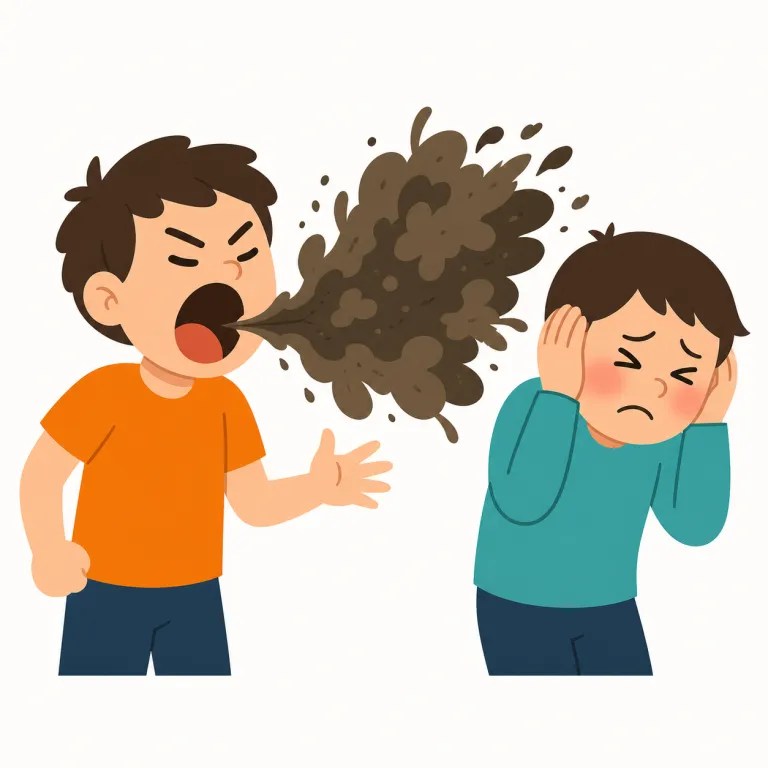
解説 Definition
言葉や冗談、態度などが品位を欠き、不快に感じられることを表す。特に悪態や罵りなど、慎むべき言葉を含む場面でよく用いられる。日常では profane language の形で、下品な言葉づかいや口汚い表現を指すことが多い。
覚え方のコツ Memory Tip
`profane language`(下品な言葉、口汚い言葉)をまずセットで覚えると実用的です。もとの核は「神聖な領域の外にある」なので、日常ではそこから品位や節度を外れた言葉づかい、つまり「下品な・口汚い」に寄って出ます。関連する名詞 `profanity` は「悪態・下品な表現」で、ニュースや映画の注意書きでも頻出。`vulgar` は広く「下品な」を表せますが、`profane` は特に悪態や罵りなどの慎むべき言葉について使われやすい、と区別すると覚えやすいです。
例文
The comedian was removed from the show for using profane language.
そのコメディアンは下品な言葉を使ったため番組から外された。
Please avoid profane jokes in front of the children.
子どもの前では下品な冗談を言わないでください。
The email was filled with profane insults.
そのメールは下品な悪口で埋め尽くされていた。
世俗の
(意味 3)
解説 Definition
宗教的・神聖な領域ではなく、日常生活や政治、芸術など人間の世俗的な領域に属することを表す。学術的・歴史的な文脈で sacred と対比して使われることが多い。侮辱の意味はなく、単に「宗教外の」という中立的な用法でも使える。
This adjective describes something belonging to ordinary human life rather than religion or a sacred sphere. It is often used neutrally in academic or historical discussions of art, music, and literature.
覚え方のコツ Memory Tip
`sacred and profane`(神聖なものと世俗のもの)の対で覚えると、この語義がぶれません。ここでの profane は `profane language` のような「下品な」ではなく、宗教や神聖な領域の外にある「世俗の」という中立的な意味です。art, music, history などと結びつくと、教会や儀式ではなく宮廷・街・日常生活に属するものを指します。`sacred` の反対側に置きつつ、悪口ではない用法として切り分けると定着しやすいです。
Remember the contrast “sacred and profane”: one side concerns religion or holy things, while the other concerns life outside that sphere. In this sense, the word is neutral and does not mean crude or offensive.
例文
The museum studies both sacred and profane art.
その博物館は宗教美術と世俗美術の両方を研究している。
In medieval Europe, profane music was often performed at court.
中世ヨーロッパでは世俗音楽が宮廷でよく演奏された。
The scholar compared sacred and profane literature.
その学者は宗教文学と世俗文学を比較した。
profane の類義語・関連語
対義語
派生語
profane の語源・成り立ち Etymology
profaneはラテン語profanusにさかのぼり、pro-「〜の前・外」+ fanum「神殿」から成ります。もとは「神殿の外にある」ことで、そこから「聖なる領域に属さない」→「冒涜的な」へ発展しました。関連語にfane, fanaticがあります。
Profane comes from Latin profanus, built from pro- "before, outside" and fanum "temple." It first meant something outside the sacred place, or not belonging to religion. From there, the meaning shifted to "not holy," and later to "showing disrespect for holy things." Related words include fane and fanatic.
同じレベルの語彙をもっと
英検1級の一覧へ →外部辞書で調べる
この英単語をクイズで覚えよう