意味一覧 (2件)
下品な言葉、ののしり
解説 Definition
人をきずつけたり、場に合わなかったりする下品な言葉を表します。怒ったときのののしりや、聞いた人が不快に感じる悪い言葉を指します。
Rude, offensive, or insulting language, especially words people use when they are angry. It refers to language that can upset or offend listeners.
覚え方のコツ Memory Tip
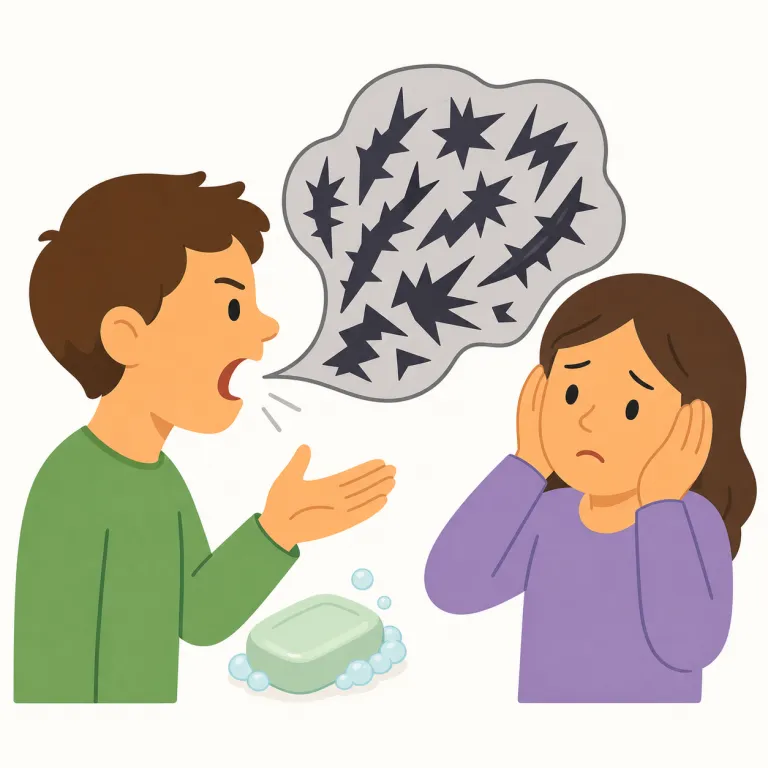
profanity は、神聖なものの外に置かれた不敬な言葉というイメージから、今では「人を不快にする下品なののしり」を表します。怒って口から悪い言葉が飛び出し、周囲が顔をしかめる場面で固定しましょう。use profanity「下品な言葉を使う」、shout profanity「ののしりを叫ぶ」、a movie with profanity「下品な言葉を含む映画」が頻出です。特定の一言より、その種の言葉全体をまとめていう不可算名詞として使われることが多い、と押さえると実用的です。
Think of profanity as words that are too rude for polite company. The f sound can remind you of forbidden or foul language.
例文
The teacher asked the students not to use profanity in class.
先生は生徒たちに、授業中に下品な言葉を使わないように言いました。
The movie had too much profanity for young children.
その映画は、小さな子どもに見せるには下品な言葉が多すぎました。
He apologized for the profanity he shouted during the argument.
彼は口げんかの最中に叫んだののしりの言葉について謝りました。
冒涜的な言葉
(意味 2)
解説 Definition
神や宗教上神聖とされるものを侮辱し、その神聖さを汚す言葉や表現を指します。
Profanity means rude, offensive, or swear words. It is commonly discussed in situations about language, behavior, media, or rules about what is acceptable to say.
覚え方のコツ Memory Tip
profane(神聖さを汚す・不敬な)と結び付け、神や聖なる儀式をあざける言葉を思い浮かべましょう。この語義の profanity は、単なる悪口や下品な言葉ではなく、宗教上神聖とされるものを言葉で侮辱することを指します。神の名を呪いに使う場面をイメージすると、「冒涜的な言葉・表現」という意味を兄弟語義と区別できます。
Connect `profanity` with `profane`, which means not sacred or not respectful to holy things. That helps you remember this word is stronger than ordinary rude language in some contexts. It often appears near `blasphemy`, especially in religion, law, or literature.
例文
The congregation regarded his use of God's name as a curse as profanity.
会衆は、彼が神の名を呪いの言葉として使ったことを冒涜と見なした。
The priest condemned the speaker's mocking words about the sacred ritual as profanity.
司祭は、神聖な儀式をあざける演者の言葉を冒涜的な発言として非難した。
The novel was accused of profanity because it ridiculed the community's sacred beliefs.
その小説は共同体の神聖な信仰を嘲笑したため、冒涜的な表現を含むと非難された。
profanity の類義語・関連語
profanity の語源・成り立ち Etymology
ラテン語の profanus は「神聖な場所の外にある」という意味でした。そこから「神聖でない」「口にするには下品な」という考えにつながり、悪い言葉やののしりを表すようになりました。
Profanity comes from Latin profanus, meaning outside a sacred place. Over time it came to mean language that is not respectful or proper, especially rude or insulting words.
同じレベルの語彙をもっと
外部辞書で調べる
この英単語をクイズで覚えよう