外で、外に
解説 Definition
建物や部屋などの中にいない状態で、「外で」「外へ」と動作の場所・方向を添える副詞。go outside は屋外へ出る動き、wait outside は入口の外で待つ位置を示し、後ろに名詞を伴わず単独で使うのが特徴です。
As an adverb, "outside" means not inside a building, room, or other enclosed place. It can show where something happens or where someone stays, and it can also show movement from inside to the open air. It is used on its own after a verb, without a noun after it.
覚え方のコツ Memory Tip
outside を「外側のほうへ」と方向を足す小さな標識として覚えましょう。come outside, step outside, stay outside のように動詞の後ろに置くだけで、動作が室内から屋外へ移ること、または屋外で続くことを示します。名詞を続けて outside the house とすると前置詞になるので、このレコードでは単独で場所を補う副詞用法に絞って押さえると区別しやすいです。
Think of "outside" as a small direction sign that points away from the inside. Put it after a verb, as in "come outside," "step outside," or "stay outside," to show that the action moves to or continues in the open air. If a noun follows, as in "outside the house," it works as a preposition, but this entry focuses on the adverb used by itself.
例文
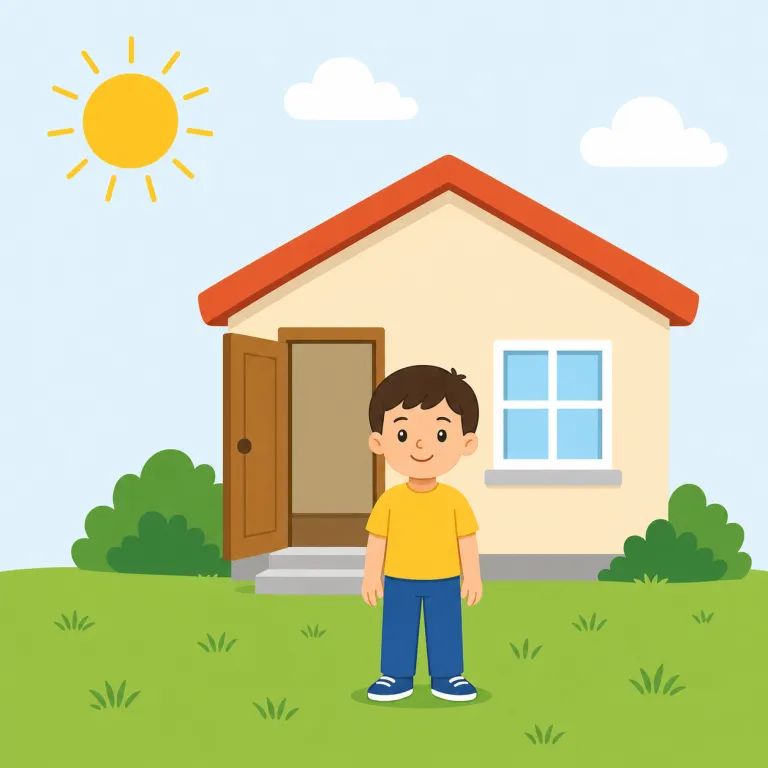
The children are playing outside.
子どもたちは外で遊んでいます。
Please wait outside until the meeting is over.
会議が終わるまで外で待っていてください。
She stepped outside to get some fresh air.
彼女は新鮮な空気を吸うために外へ出ました。
〜の外に
(意味 2)解説 Definition
名詞の前に置かれ、ある場所・範囲・境界の外側にあることを示す前置詞です。物理的な位置だけでなく、規則・計画・議論などの範囲外を表すときにも使われます。
As a preposition, "outside" comes before a noun to show that something is not inside a place, area, or boundary. It can describe a physical position, such as being outside a room, or something beyond the limits of rules, plans, discussions, or normal range. It often contrasts clearly with "inside" or "within."
覚え方のコツ Memory Tip
まず out + side で「外の側」と分けると覚えやすいです。inside の反対なので、セットで覚えると定着します。名詞の outside は「外」「屋外」全般よりも、the outside of the box のように「物の外側・外面」を指すことが多いのがコツです。outdoors は「戸外で」、exterior はやや硬い語。outside は日常的で、内側と対比して見える面を思い浮かべると意味がぶれません。品詞違いで on the outside, outside the house などにも出るので、まず名詞では「表面側」と固定すると整理しやすいです。
Break "outside" into "out" + "side": it means the side that is out, not in. Learn it together with "inside," because they are clear opposites. For the preposition, picture a boundary such as a house, box, or rule, and place something beyond that boundary: outside the house, outside the box, outside the plan.
例文
Please wait outside the classroom until the teacher arrives.
先生が来るまで教室の外で待ってください。
That topic is outside the scope of today's meeting.
その話題は今日の会議の範囲外です。
Cars are not allowed outside the marked parking area.
車は指定された駐車区域の外には停められません。
外の
(意味 3)解説 Definition
名詞の前で、そのものが外側・屋外・外部に関係することを表す形容詞です。壁、ドア、気温、世界などに付き、内側のものと区別して述べるときに使われます。
As an adjective, outside describes something that is on, near, or connected with the outer part of a place or thing. It is often used before nouns such as wall, door, temperature, world, or help to contrast what is outside with what is inside. The word is common in everyday English and usually gives a simple spatial or external point of view.
例文
Please use the outside door when you leave the building.
建物を出るときは外のドアを使ってください。
The outside wall was cold after the snowstorm.
吹雪のあと、外の壁は冷たくなっていました。
She wanted an outside opinion before making the final decision.
最終決定の前に、外部の意見を聞きたがっていました。
外側
(意味 4)解説 Definition
物体・建物・容器などを内外に分けたとき、外気や周囲に触れて見える面を指す名詞。「外の場所」ではなく、the outside of the box のように対象の表面・外周を名づける語で、塗装、材質、汚れなど外面の状態を述べる場面で使われます。
The outside is the outer part or surface of something. It can also mean the area beyond a building, room, or container. The word is often used when comparing what is inside with what is not inside.
覚え方のコツ Memory Tip
名詞の outside は、箱を手に取って「触れる外面」を指すイメージで覚えると使い分けやすくなります。the outside of the building なら建物の外壁や見える外装、the outside of the fence なら外向きの面という具合です。副詞の「外で」は行為の場所を足しますが、名詞では of と組み合わせて、対象物のどの部分かを示す点が中心です。
Break `outside` into `out + side`. It is the opposite of `inside`, so that pair is a strong memory hook. As a noun, it often means the outer surface of something, like `the outside of the box`, not just the general idea of being outdoors.
例文
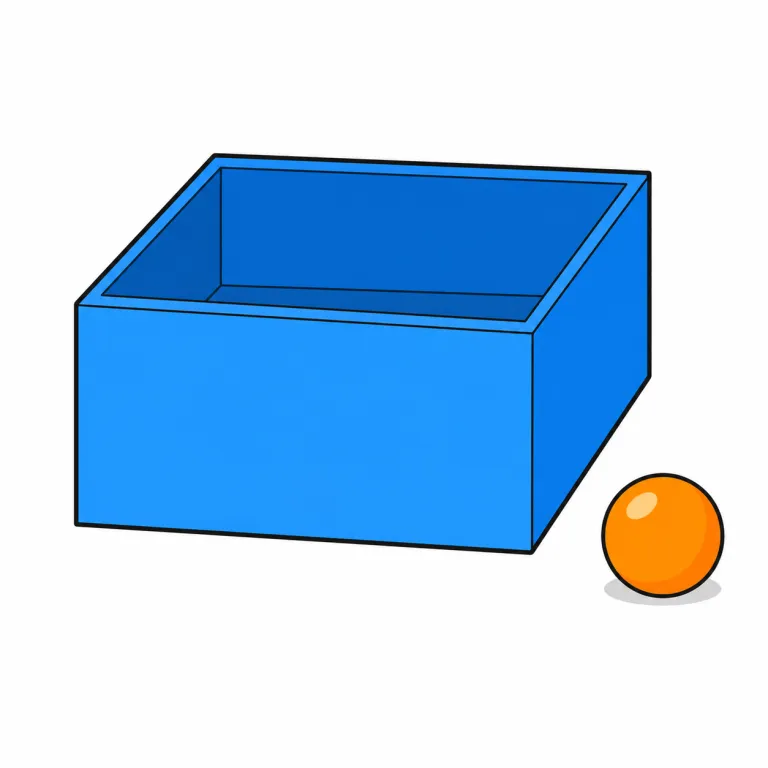
The outside of the box was covered in colorful wrapping paper.
箱の外側は色とりどりの包装紙で覆われていた。
The outside of the building is made of glass and steel.
その建物の外側はガラスと鉄でできている。
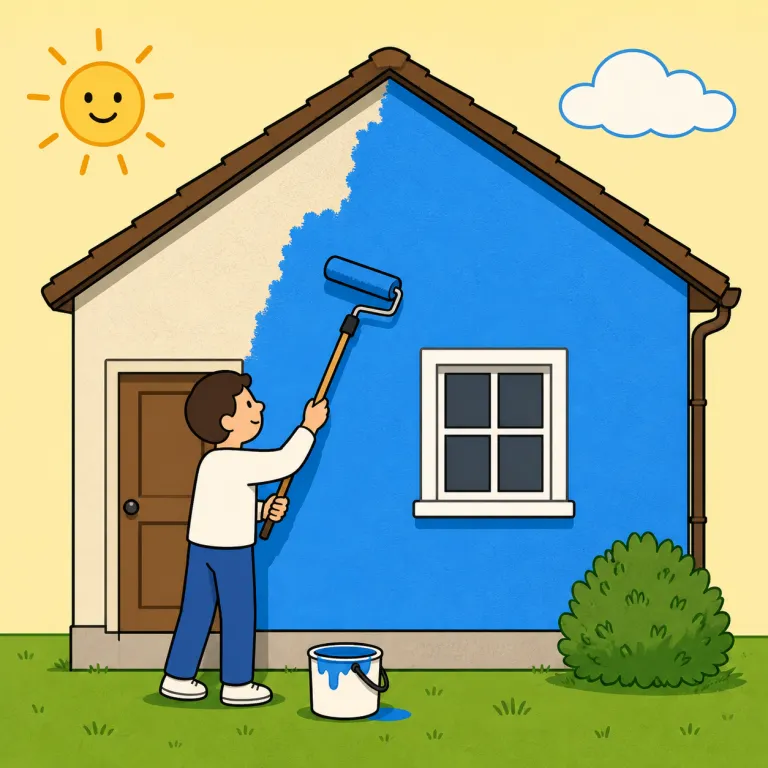
Paint the outside of the fence before it starts to rust.
さび始める前に、フェンスの外側を塗ってください。
outside の語源・成り立ち Etymology
outside は out「外へ」+ side「側」からできた複合語です。どちらも古英語にさかのぼり、inside と同じく内外の位置関係を直接表します。
"Outside" is a compound of "out" and "side." Both parts go back to Old English, and together they directly express the idea of the outer side or the area beyond the inside.
外部辞書で調べる
この単語を英単語クイズで覚えよう