surface
surface は英検準2級・英検2級・TOEIC 730・TOEFL 60・IELTS 5.5レベルの英単語で、「外側の面、表面」という意味があります。発音記号は /ˈsɜːfɪs/ です。
意味一覧 (2件)
外側の面
解説 Definition
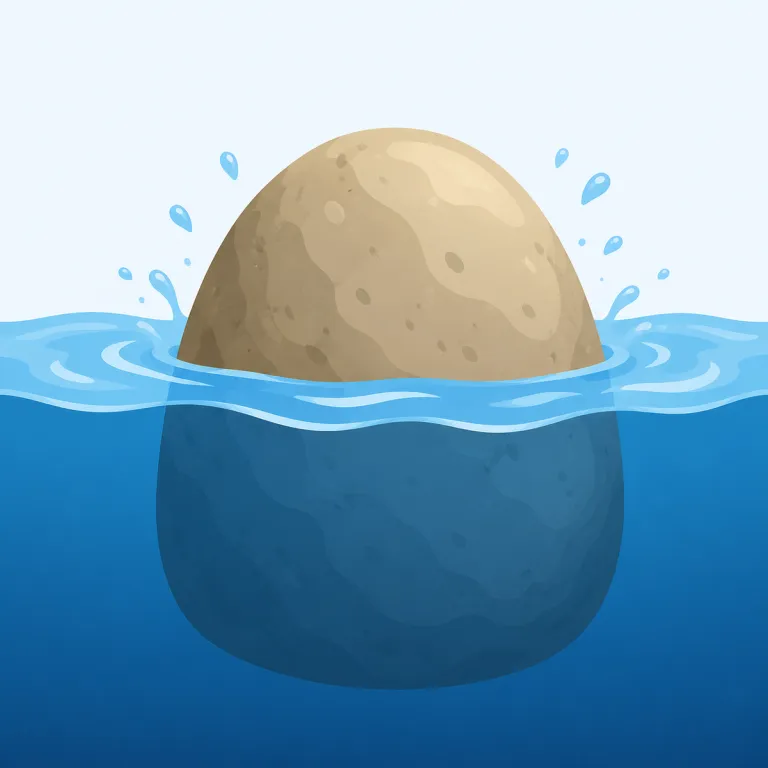
物体や液体などのいちばん外側にあり、見たり触れたりできる部分を指します。机、水、道路、皮膚、惑星など幅広い対象に使い、内部ではなく外に現れている面に焦点があります。科学や日常描写の両方でよく使われます。
A surface is the outside part of something that you can see or touch. It can refer to the top or outer layer of many things, such as a table, water, a road, skin, or a planet. The word focuses on what is on the outside, not what is inside. It is common in both everyday descriptions and science.
覚え方のコツ Memory Tip
surface は sur-「上に」と face「顔・面」を合わせて考えると、「上に見えている face=外側の面」とつかみやすい語です。water surface, road surface, skin surface のように、液体・道・体などの外に出ている部分を指します。inside や core が中身・中心に向かう語なのに対し、surface は触れたり見たりできる外側です。動詞の「表面化する」と同じ形ですが、この名詞ではまず物理的な面を表します。
Think of surface as sur- plus face: the face that shows on top. This makes it easier to remember it as the outside part you can see or touch. You can picture the water surface, road surface, or skin surface. Unlike inside or core, surface points to the outer layer.
例文
The surface of the lake was calm this morning.
今朝、その湖の外側の面は穏やかだった。
The road surface became slippery after the rain.
雨のあと、道路の表面は滑りやすくなった。
Scientists studied the surface of the planet to learn more about its history.
科学者たちはその惑星の表面を調べて、歴史をより深く知ろうとした。
表面
(意味 2)解説 Definition
「表面化する」という意味の動詞で、それまで隠れていた問題・情報・感情などが外部に現れることを表します。主に否定的または重要な事柄が明るみに出る際に使われます。「問題が表面化した」のように、潜在的な状況が顕在化するニュアンスを持ちます。
To surface means to come up to the top of water or another liquid. It can also mean to appear or become known after being hidden for some time, such as information or feelings. The word is used both literally and figuratively.
覚え方のコツ Memory Tip
動詞の surface は「隠れていたものが外に現れる」と考えると覚えやすいです。これは surface の「外側の面」という基本的な名詞義とは別に、問題・事実・感情などが人に知られる状態になる用法です。problems surface, details surface, tensions surface のように、以前は見えていなかった情報や状況が明るみに出る文脈で使います。appear よりも「潜んでいたものが出てくる」感じが強いです。
Build from the noun `surface`, the outside part you can see. As a verb, it means something comes up to the surface, like a diver rising from water. That is why `problems surface` or `new details surface` feels natural.
例文
New problems began to surface after the merger.
合併後、新たな問題が表面化し始めた。
The truth about the scandal finally surfaced.
そのスキャンダルの真実がついに表面化した。
Tensions between the two groups surfaced during the meeting.
二つのグループ間の緊張が会議中に表面化した。
surface の語源・成り立ち Etymology
古フランス語を経てラテン語 superficies に由来し、super-「上に」+ facies「顔・形」から成る。face や superficial と同系で、「上に見える面」という発想が残る。
Surface comes from Latin superficies, through Old French. It is made from super-, meaning "on top of," and facies, meaning "face" or "form." The original idea is the face or outer part that appears on top.
外部辞書で調べる
この単語を英単語クイズで覚えよう