nasty
nasty は英検2級・TOEFL 60・IELTS 5.5レベルの英単語で、「不快な、嫌な、ひどい、意地悪な」という意味があります。発音記号は /ˈnæsti/ です。
意味一覧 (2件)
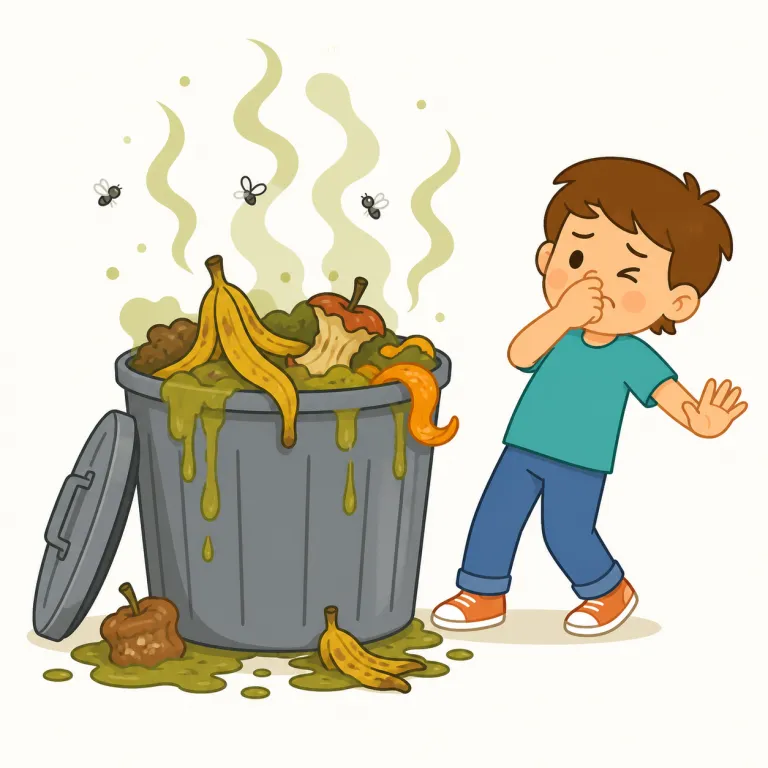
不快な、嫌な、ひどい
解説 Definition
nasty は、においや場面などが人に強い不快感や嫌悪感を与えること、また病気や出来事がひどく厄介であることを表す形容詞。文脈によっては人の態度に対して「意地悪な」という意味にもなり、幅広く否定的な性質を示す。
Nasty means very unpleasant, unkind, or harmful. It is often used for bad behavior, rude comments, dirty conditions, or difficult situations. Depending on the context, it can describe both physical things and a person's attitude.
覚え方のコツ Memory Tip
nasty は、見た目が nice に少し似ているのに、意味はかなり逆方向だと覚えると残りやすい語です。核にあるのは「気分が悪くなるほどイヤな」。nasty smell は嫌なにおい、nasty comment は感じの悪い発言、a nasty cold はひどく厄介な風邪、nasty surprise はうれしくない嫌な展開。単なる bad より、不快感・意地の悪さ・たちの悪さが一段強い語としてまとめると定着しやすいです。
This word looks a little like nice, but it goes in almost the opposite direction. Think of a nasty smell, a nasty comment, or a nasty surprise. It is stronger than bad because it adds a feeling of disgust or unpleasantness.
例文
The nasty smell coming from the kitchen was overwhelming.
台所から漂ってくる不快な臭いは、耐えがたいほど強かった。
He had a nasty cold that lasted for two weeks.
彼は2週間も続くひどい風邪をひいていた。
The movie had some nasty scenes that made the audience uncomfortable.
その映画には観客を不快にさせる嫌な場面がいくつかあった。
えいたんごクイズでの正答率
この語をはじめて出題された 39人 のうち 30人 が正解しました(77%)。
えいたんごクイズの回答から集計した独自データです。1人につき最初に出題されたときの1回だけを数えており、復習や2回目以降の回答、「わからない」と時間切れは含みません。 集計時点は 2026年9月19日 です。
意地悪な
(意味 2)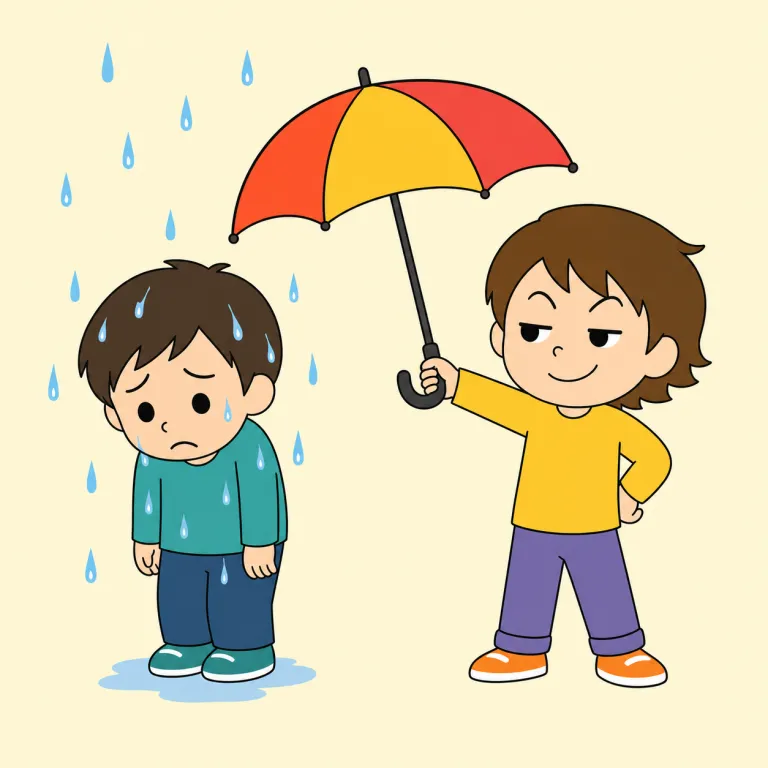
解説 Definition
人の言動や態度が、相手を傷つけたり困らせたりしようとするような場合に使います。親切さがなく、悪意や敵意を感じさせるニュアンスがあり、特に人への話し方やふるまいを述べるときに典型的です。
Unkind or hostile in a way that seems intended to hurt or upset someone. It often describes a person's comments, attitude, or treatment of others.
例文
Don't be nasty to your little brother.
弟に意地悪しないで。
She made a nasty comment about my clothes.
彼女は私の服について意地悪なことを言った。
He gave me a nasty look when I asked for help.
助けを求めると、彼は私に嫌な顔をした。
nasty の類義語・関連語
類義語
派生語
紛らわしい語
nasty の語源・成り立ち Etymology
nasty は中英語で「不潔な」の意味で現れた語で、さらにさかのぼる語源は不詳です。もともと「汚くて気持ち悪い」が中心だったため、そこから「不快な・嫌な」へ広がりました。関連語は nastily, nastiness です。
Nasty appeared in Middle English with the sense of "dirty" or "filthy." Its earlier origin is uncertain, so scholars do not know its exact root. Because it first described something physically unpleasant, the meaning later widened to include anything offensive, mean, or disagreeable. Related forms include nastily and nastiness.
同じレベルの語彙をもっと
英検2級の一覧へ →外部辞書で調べる
この英単語をクイズで覚えよう