意味一覧 (2件)
不快さ
解説 Definition
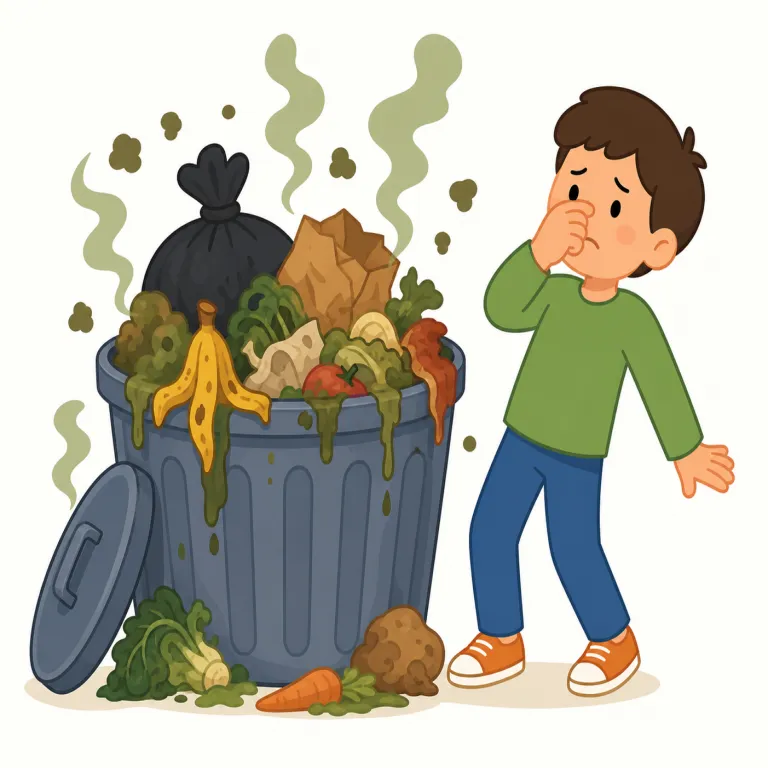
人がいやだと感じたり、気分が悪くなったりするような感じを表します。におい、味、音、場所の雰囲気などが心地よくないときに使います。
The unpleasant quality of something that makes you feel bad or uncomfortable. It can describe an unpleasant smell, taste, sound, or atmosphere.
覚え方のコツ Memory Tip
nastiness は nasty「不快な」に、性質・状態を名詞にする -ness が付いた語と分けると覚えやすい。つづりは nasty の y が i に変わって nastiness となる。「嫌な物」そのものより、におい・味・音などが持つ「うわっと顔をしかめさせる不快さ」に焦点がある。the nastiness of the smell/taste/noise という型で、悪臭に耐えられず部屋を出る場面を思い浮かべるとよい。人の意地悪さではなく、この語義では感覚的な不快さに絞って覚える。
Think of nasty as "unpleasant." Add -ness, and it becomes the unpleasant quality or feeling.
例文
The nastiness of the smell made us leave the room.
においが不快だったので、私たちは部屋を出ました。
I could not ignore the nastiness of the taste.
その嫌な味を無視することはできませんでした。
The nastiness of the noise gave me a headache.
その音の不快さで、私は頭が痛くなりました。
意地悪
(意味 2)
解説 Definition
意図的に他人を傷つけたり、不親切にしたり、いじめたりする悪意のある態度や行動のことです。人に対して厳しく、思いやりに欠ける性質を指します。
Nastiness means unkind, unpleasant, or cruel behavior, speech, or attitude. It is commonly used for personal conflicts, insults, or bad treatment of others. It can also describe a general feeling of ugliness or hostility.
覚え方のコツ Memory Tip
まず形で覚えると残りやすいです。nasty は「不快な・意地悪な」という基本語で、-ness が付くと「その性質・状態」になり、nastiness で「いやらしさ・意地悪さ」全体を指します。1回のひどい言動より、態度ににじむ悪意をまとめて言う感じです。nasty remark のような一言より、His behavior showed real nastiness. のように振る舞い全体を述べる場面で結び付けると定着します。似た語の meanness と近いですが、nastiness のほうが「不快さ・毒っ気」まで含んで強めです。
`Nastiness` is built from `nasty` + `-ness`, so it means the quality of being nasty. Remember it as more than one rude act: it often suggests an unpleasant, mean attitude. Compare it with `meanness`, but `nastiness` usually sounds sharper and more unpleasant.
例文
The nastiness in his comments hurt many people.
彼のコメントの意地の悪さが、多くの人を傷つけました。
She was shocked by the nastiness of the other students' behavior.
彼女は他の学生たちの振る舞いの意地の悪さに驚きました。
There was no need for such nastiness in their argument.
彼らの議論にそんな意地悪な態度は必要ありませんでした。
nastiness の類義語・関連語
類義語
派生語
nastiness の語源・成り立ち Etymology
形容詞 nasty に、状態や性質を表す -ness が付いてできた語です。nasty は「いやな、不快な」という意味を持ち、nastiness はそのような感じや性質を表す名詞になりました。
Nastiness is formed from the adjective nasty plus the noun-forming suffix -ness. Nasty means unpleasant, so nastiness means the state or quality of being unpleasant.
同じレベルの語彙をもっと
外部辞書で調べる
この英単語をクイズで覚えよう