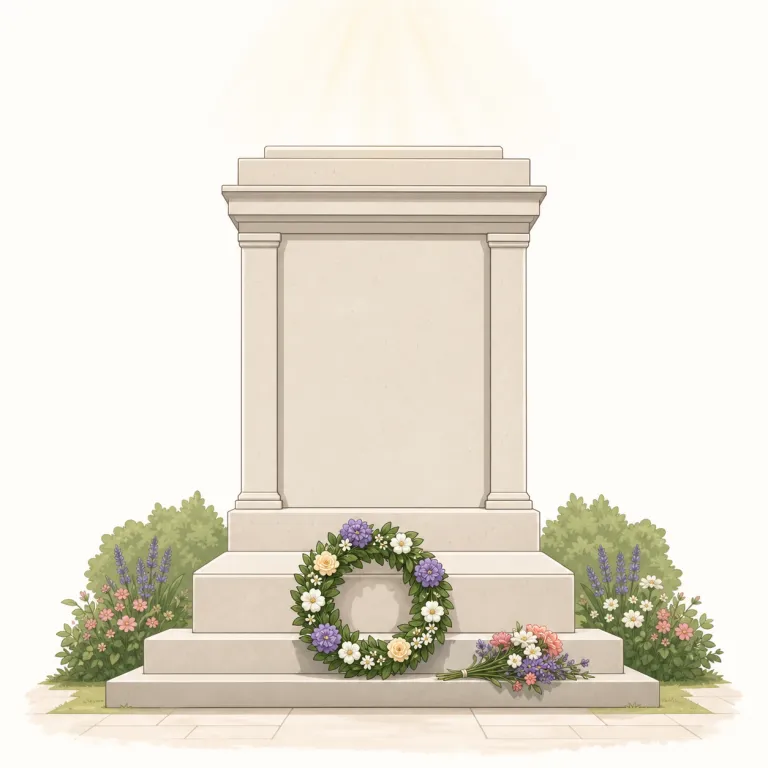
慰霊碑
解説 Definition
遺体が埋葬されていない故人の記念碑。遺体が見つからない場合や、埋葬地が異なる場合などの追悼施設。
A cenotaph is a monument built to honor dead people whose bodies are buried somewhere else or were never found. It is commonly seen in places of public remembrance, especially for soldiers or victims of war. The word is formal and mostly used in historical or ceremonial contexts.
覚え方のコツ Memory Tip
"cenotaph" は monument や memorial より意味が狭く、まず「死者を悼む記念物」、さらに tomb や grave と違って「遺体そのものはそこにない」と対比で覚えると定着しやすいです。歴史・戦争文脈で war memorial や national cenotaph のように出やすく、現地に遺体がなくても追悼の場だけがある場面を思い浮かべるのがコツ。なお -taph は epitaph(墓碑銘)にも見えるので、死者・墓関連の語群としてまとめて覚えると混同しにくいです。
Keep it next to `memorial`, but make it more specific: a cenotaph honors the dead even when the body is not there. You can also connect `-taph` with grave-related words like `epitaph`. Think of a war memorial where people gather to remember, not an actual tomb.
例文
The cenotaph was built to honor the fallen soldiers whose bodies were never recovered.
その慰霊碑は遺体が回収されなかった戦没者を追悼するために建設された。
Thousands gathered at the cenotaph for the memorial service.
数千人が追悼式のために慰霊碑に集まった。
The inscription on the cenotaph reads: 'In memory of the lost.'
慰霊碑には「亡き人々をしのんで」と刻まれている。
cenotaph の類義語・関連語
cenotaph の語源・成り立ち Etymology
cenotaph はフランス語 cenotaphe を経て、ラテン語 cenotaphium、さらにギリシャ語 kenotaphion に由来します。keno- は「空の」、-taph は「墓」を表し、「遺体のない墓」が転じて慰霊碑になりました。関連語に epitaph があります。
Cenotaph came into English through French and Latin, but its deeper origin is Greek kenotaphion. It combines keno- "empty" and -taph "tomb," so it originally meant an "empty tomb." From that idea, it came to mean a monument for someone whose body is not buried there; epitaph is a related word.
同じレベルの語彙をもっと
外部辞書で調べる
この英単語をクイズで覚えよう