意味一覧 (2件)
全体、総体
解説 Definition
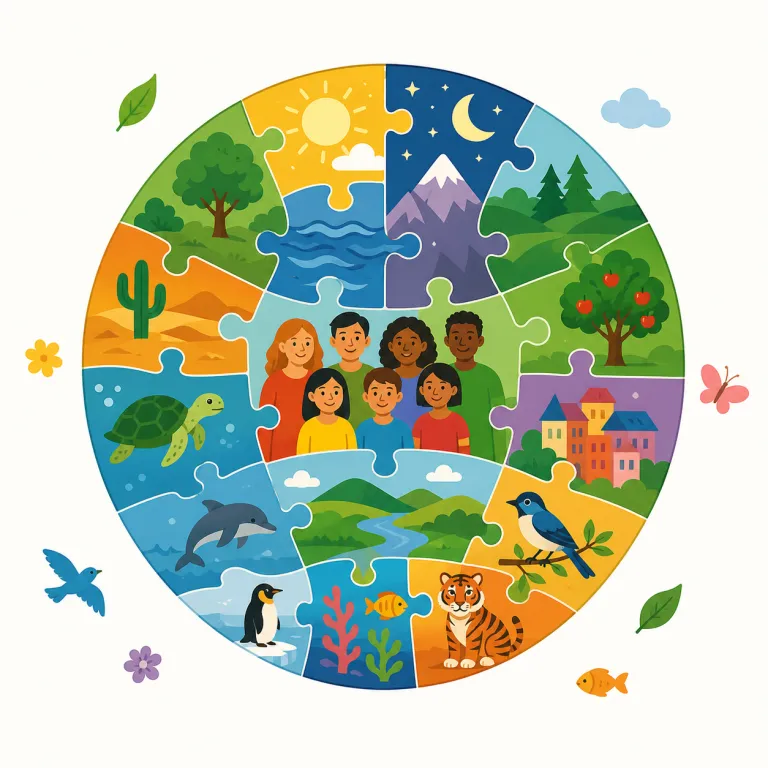
いくつかの部分や要素をまとめた、欠けていない全体を表します。物事を一部分だけでなく、すべてをひとまとまりとして見るときに使います。
The whole of something, including all its parts. It is used when you look at everything together, not just one part.
覚え方のコツ Memory Tip
totality は total「全部の」と同じ語の仲間で、ばらばらの部分を一つ残らず集めた「欠けのない全体」と捉えると覚えやすい語です。裁判で一つの証拠だけを取り出さず、証言・記録・状況証拠をすべて机上に並べて判断する場面を思い浮かべましょう。特に the totality of the evidence、the totality of the problem のような the totality of A「Aの総体」が頻出です。単なる大きな量ではなく、構成要素を漏れなくひとまとまりとして見る語だと押さえると、部分を示す part と対照的に覚えられます。
Think of total inside totality. Totality is the total whole of something.
例文
We need to consider the totality of the evidence.
私たちは証拠全体を考慮する必要があります。
The totality of the plan became clear after the meeting.
会議のあとで、その計画の全容が明らかになりました。
She tried to understand the totality of the problem.
彼女はその問題の全体像を理解しようとしました。
全体性
(意味 2)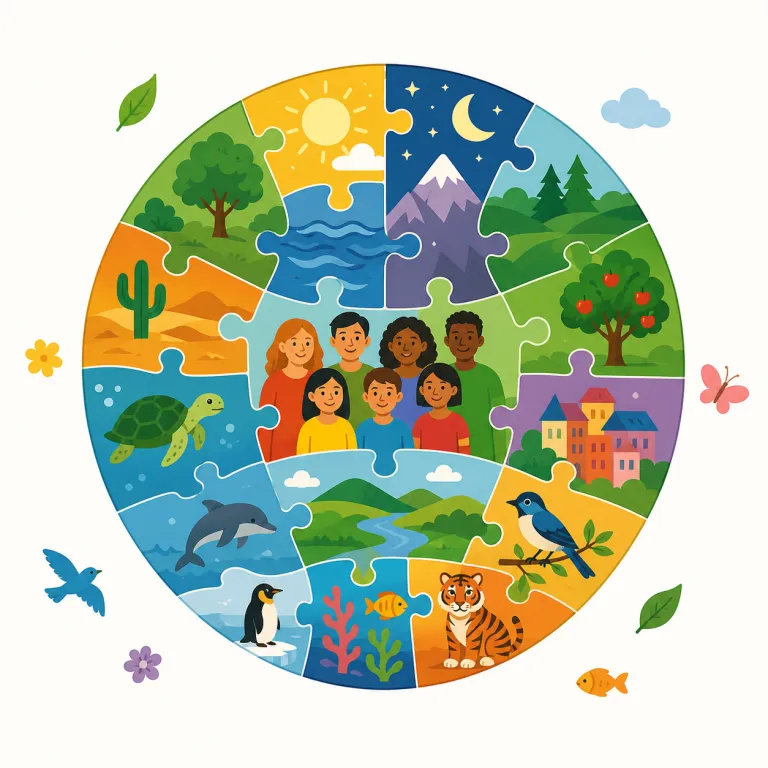
解説 Definition
部分が欠けず、一つの完全なまとまりを成しているという性質や状態を表します。物事そのものの総体ではなく、その全体としての完全さや統一性に焦点を当てる語義です。
Totality means the whole of something, with all its parts considered together. It is a formal word often used in academic, philosophical, or serious discussions. It helps show that nothing important is being left out.
覚え方のコツ Memory Tip
total に「性質・状態」を表す -ity が付いた語と捉え、totality は「全体として欠けず、まとまっていること」と覚えましょう。この語義では、物事を構成するもの全部という意味ではなく、作品や設計などが完全な一つのまとまりを成している性質に焦点があります。a sense of totality「全体としてのまとまり」の形と結びつけると覚えやすいです。
`Totality` comes from `total`, but it is not just about counting everything. It points to the whole seen as one complete structure, not just many separate parts. If you connect it with philosophy or theory, it becomes easier to remember.
例文
The painting achieves a sense of totality despite its many contrasting elements.
その絵は対照的な要素が多いにもかかわらず、全体としてのまとまりを実現している。
The architect sought totality by integrating every room into a single design.
その建築家は、すべての部屋を一つの設計に統合することで全体性を追求した。
The theory aspires to totality by explaining every part of the system within one framework.
その理論は、体系のあらゆる部分を一つの枠組みで説明することにより、完全な統一性を目指している。
totality の類義語・関連語
totality の語源・成り立ち Etymology
ラテン語の「totus」は「全体の、すべての」という意味です。そこから「完全な全体」を表す語として英語に入ってきました。
Totality comes from Latin totus, meaning "whole" or "all." It developed the sense of a complete whole made up of all parts.
同じレベルの語彙をもっと
外部辞書で調べる
この英単語をクイズで覚えよう