フォッサ
noun 名詞マダガスカルに生息する、細長い体と長い尾を持つ肉食性の哺乳類を指す可算名詞。外見はネコに似るがマングースに近い仲間で、動物・自然保護の文脈で使われ、解剖学の「窩」とは別語源の同綴り語である。
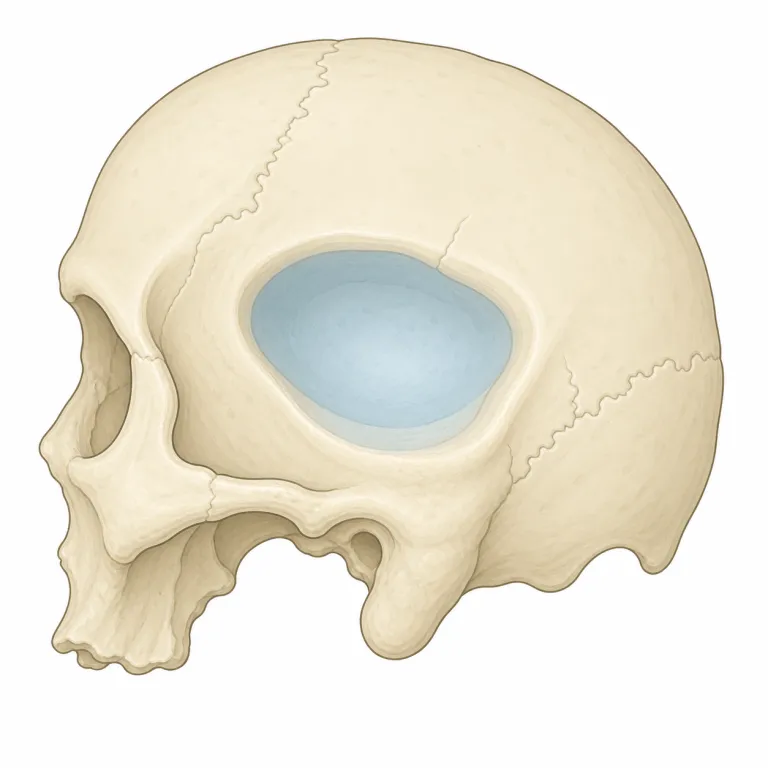
解剖学や生物学での「窩」のことです。体の内部にある窪みまたはくぼみのような構造を指します。
A fossa is a small hollow, depression, or pit-like space in the body, especially in a bone or other anatomical structure. This is a technical term mainly used in medicine and anatomy.
fossa は「何かが収まるためのへこみ・受け皿」とセットで覚えると残りやすい。解剖では単なる穴というより、骨や器官の表面にあるくぼみを指すことが多い。cavity が空洞全体、pit が小さなくぼみなら、fossa は名称としての“くぼみ構造”寄り。cranial fossa, iliac fossa など部位名と一緒に見て、「神経や器官、関節の一部が収まる浅い凹み」を図で結びつけると、ただの hole と混同しにくい。
Think of a fossa as a natural hollow that holds something. In anatomy, it is usually not just any hole, but a named shallow depression in bone or tissue. Remember it with body-part phrases like cranial fossa, where structure matters more than depth.
The fossa is an anatomical depression in certain bones.
窩は特定の骨における解剖学的な窪みのことである。
The temporal fossa is located on the side of the skull.
側頭窩は頭蓋骨の側面に位置している。
Medical students learn to identify various fossae in the human skeleton.
医学生は人間の骨格におけるさまざまな窩を識別することを学ぶ。
文脈によって、次の意味でも使われます。
マダガスカルに生息する、細長い体と長い尾を持つ肉食性の哺乳類を指す可算名詞。外見はネコに似るがマングースに近い仲間で、動物・自然保護の文脈で使われ、解剖学の「窩」とは別語源の同綴り語である。
fossaはラテン語で「溝・掘られたくぼみ」を意味し、動詞fodere「掘る」から来ています。fossilも同根で本来は「掘り出されたもの」。体のfossaが「掘ってできたようなくぼみ」だと見ると、解剖学の名づけが覚えやすくなります。
Fossa comes directly from Latin, where it meant a ditch, trench, or dug-out hollow. It comes from fodere, "to dig." The anatomical use keeps that original image of a hollow that looks as if it has been dug out. A related word is fossil, which originally meant something dug up.
この英単語をクイズで覚えよう