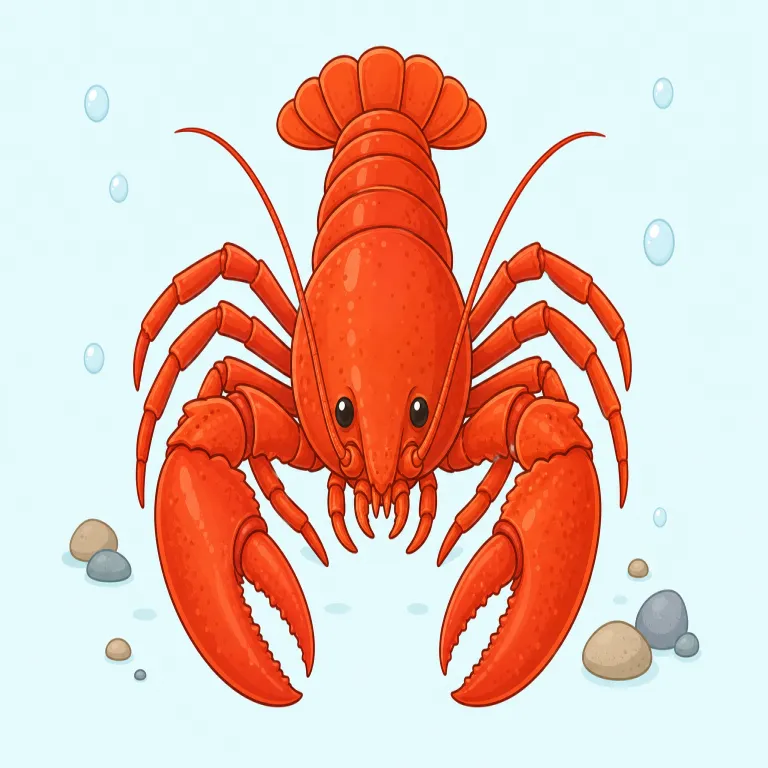
甲殻類
解説 Definition
硬い外骨格を持つ節足動物の一群を指す語です。エビ、カニ、ロブスターなど水中にすむものが代表的ですが、陸にすむ種類も含まれます。
A crustacean is a type of animal with a hard outer shell, such as a crab, lobster, or shrimp. Most crustaceans live in water, although some live on land. The word is mainly used in biology and when talking about sea animals or food.
覚え方のコツ Memory Tip
crust を「パンやピザの外側のかたい皮」として知っていると、crustacean は「硬い殻を持つ生き物の仲間」とまとめて覚えやすいです。エビ・カニ・ロブスターは、まず殻の印象が強いのでこの連想と相性がいい語。細かな種類名ではなく、fish に対して crustacean と大きく分類する場面で出ます。seafood の話題で見かけやすく、mollusk(貝・軟体動物)とは別物なので、「硬い外殻がある側」と整理すると記憶に残ります。
Notice `crust` inside `crustacean`. A crust is a hard outer layer, like the crust of bread or pizza, so this word is easy to connect with animals that have a hard shell. Think of crab, shrimp, and lobster as the "crust" group in seafood.
例文
Crabs and lobsters are types of crustaceans found in the ocean.
カニとロブスターは海に見られる甲殻類の一種です。
Many crustaceans have ten legs and hard shells.
多くの甲殻類は10本の足と硬い殻を持っています。
Scientists study crustaceans to understand marine ecosystems.
科学者は海洋生態系を理解するため甲殻類を研究します。
crustacean の類義語・関連語
紛らわしい語
crustacean の語源・成り立ち Etymology
crustacean は新ラテン語 Crustacea にさかのぼり、語幹はラテン語 crusta「硬い殻・外皮」です。crust と同根で、「かたい外殻を持つもの」という見方がそのまま甲殻類の名になりました。関連語に crust, encrust があります。
Crustacean comes from New Latin Crustacea, based on Latin crusta, meaning "hard shell" or "crust." The word was formed for animals seen as having a hard outer covering. It shares its root with English words like crust and encrust.
同じレベルの語彙をもっと
外部辞書で調べる
この英単語をクイズで覚えよう