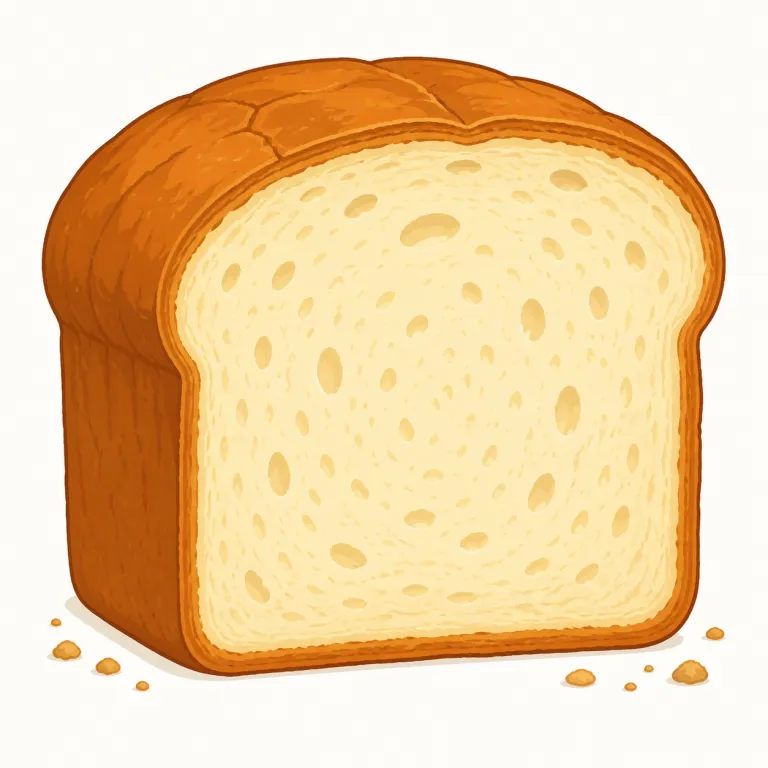
crust
crust は英検準1級・TOEFL 80・IELTS 6.5レベルの英単語で、「パンの皮、耳、外皮、外殻、地殻」という意味があります。発音記号は /krʌst/ です。
意味一覧 (3件)
パンの皮、耳
解説 Definition
パンやパイなどの外側にできる、焼くことで少し硬く香ばしくなった部分を指す。中のやわらかい生地を包んで守る層で、食パンでは「耳」、一般には表面の皮の部分として理解される。食感の違いを表すときにもよく使われる語。
A crust is the hard outer layer of bread, pie, or another food. More generally, it can also mean any hard outer surface or covering. In everyday use, it is most often used when talking about bread or pastry.
覚え方のコツ Memory Tip
まず bread crust, pizza crust をセットで覚え、「中のやわらかい部分を包む、少し硬くなった外側の層」という絵を固定すると残りやすい。対になる語として crumb は中のふわっとした部分。skin は生っぽい皮、peel はむいて外す皮だが、crust は焼く・乾くことでできた硬めの表層に寄りやすい。そこから Earth’s crust に広げると、「食べ物でも地面でも最外層」という共通イメージで整理できる。encrust も「外側を覆う」でつながる。
Picture `bread crust` or `pizza crust`: the harder outer layer around a softer inside. That outer-layer image also helps with `Earth’s crust`. It is easier to remember if you contrast it with `crumb`, the soft inside part of bread.
例文
The bread has a crispy crust on the outside.
そのパンは外側にパリッとした皮がある。
I love eating the crust of fresh bread.
私は焼きたてのパンの皮を食べるのが大好きだ。
The crust protects the soft interior.
その皮が中のやわらかい部分を守っている。
えいたんごクイズでの正答率
この語をはじめて出題された 62人 のうち 44人 が正解しました(71%)。
えいたんごクイズの回答から集計した独自データです。1人につき最初に出題されたときの1回だけを数えており、復習や2回目以降の回答、「わからない」と時間切れは含みません。 集計時点は 2026年9月19日 です。
外皮、外殻
(意味 2)
解説 Definition
物の表面にできる硬い層や、外側を覆う固い部分を指します。食べ物だけでなく、泥・雪・傷口・金属の表面などにも使われ、内側と外側を分ける殻のような感覚があります。
A hard outer layer that forms on or covers something. It can occur on food or on materials such as mud, snow, or metal, often as the surface dries or hardens.
例文
A thin crust of ice covered the lake.
湖は薄い氷の層に覆われていた。
The wound formed a hard crust overnight.
その傷には一晩で硬いかさぶたができた。
Salt crust collected around the edge of the pan.
鍋の縁に塩の硬い層がたまった。
地殻
(意味 3)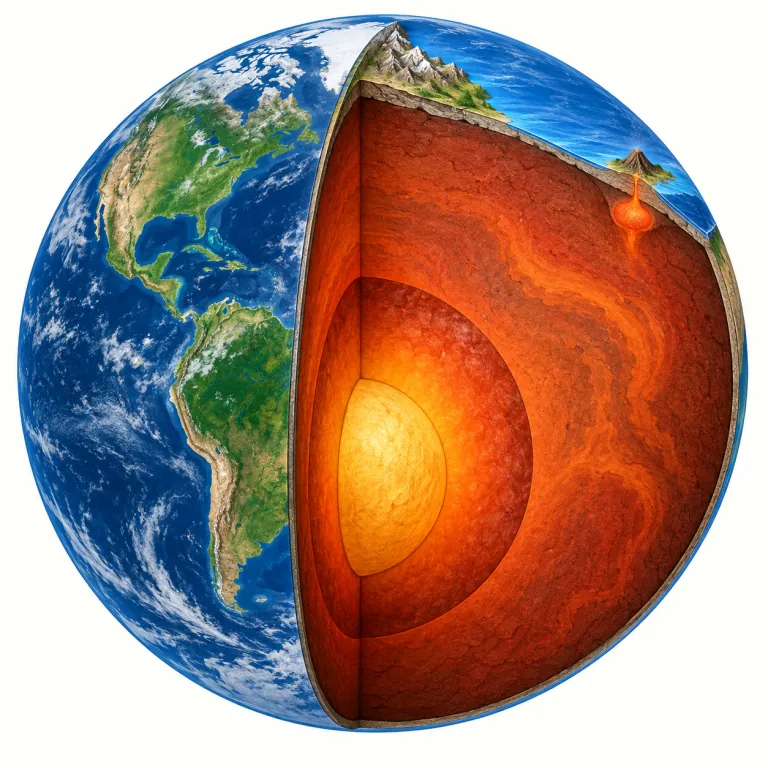
解説 Definition
地球の最も外側にある固い岩石の層を指す地学用語です。プレート運動や火山活動、地震の説明でよく現れ、マントルの上にある地球表面の部分として使われます。
The solid, rocky outermost layer of the Earth, lying above the mantle. This geological term is used when discussing earthquakes, volcanoes, and plate movement.
例文
The earthquake was caused by movement in the Earth's crust.
その地震は地殻の動きによって引き起こされた。
Oceanic crust is thinner than continental crust.
海洋地殻は大陸地殻より薄い。
Scientists study the crust to learn about the planet's history.
科学者たちは地球の歴史を知るために地殻を調べる。
crust の類義語・関連語
crust の語源・成り立ち Etymology
crust はラテン語 crusta「殻・硬い外皮」に由来し、フランス語を経て英語に入った。encrust や crustacean と同根で、「中身を覆う固い層」が中心イメージ。だからパンの皮にも地殻にも使われ、何かの「いちばん外側」を指す語になった。
Crust comes from Latin crusta, meaning "hard outer shell" or "rind," and entered English through French. The basic image is a hard layer covering something else. That is why the word came to be used for both bread and the earth, always focusing on the outside layer. Related words include encrust and crustacean.
同じレベルの語彙をもっと
英検準1級の一覧へ →外部辞書で調べる
この英単語をクイズで覚えよう