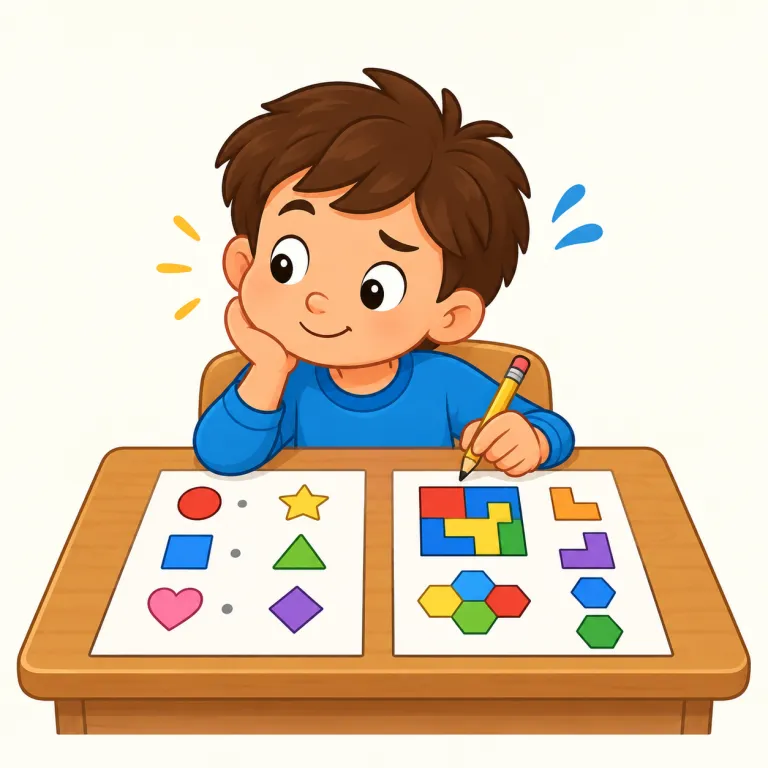
より難しい
解説 Definition
harder は hard(難しい、大変な)の比較級です。何かが別のものより難しい、またはより大変だと言うときに使います。
Harder is the comparative form of hard and means more difficult, demanding, or troublesome than something else. It is used when comparing the difficulty of tasks, subjects, questions, situations, or experiences.
覚え方のコツ Memory Tip
原形 hard「難しい」に比較級の -er をそのまま付けた形で、発音は /ˈhɑːrdər/。than と組む harder than the last one や、become harder「より難しくなる」が典型。more hard とは通常言わない。ここでは「より固い」ではなく、test、math、question など課題の難度を比べる文脈に限定して覚える。
Harder is formed by adding the comparative ending -er directly to hard; there is no spelling change. Use it to compare difficulty: “This test is harder than the last one” or “Math became harder.” Than often introduces the second item in an explicit comparison, but context can supply it. In this sense, harder means “more difficult,” not “more solid.” English normally prefers harder rather than more hard, so connect the short adjective hard with its regular comparative pattern.
例文
This test is harder than the last one.
このテストは前のテストより難しいです。
Math became harder this year.
今年、数学はより難しくなりました。
The second question was harder for me.
私には2問目のほうが難しかったです。
harder の類義語・関連語
類義語
派生語
harder の語源・成り立ち Etymology
古英語 heard(固い、厳しい)の比較級。ゲルマン祖語 *harduz に由来し、ドイツ語 hart と同根。「固い→困難な」という意味変化は日本語の「難い(かたい)」と同じ発想。関連語: hardy(頑丈な)、hardship(困難)。
Harder is the comparative form of hard, from Old English heard, which could mean “firm, severe, or difficult.” The word is Germanic and is related to German hart. The comparative ending -er is inherited from Old English comparative formation. The sense developed naturally from physical firmness or resistance to the figurative idea of something requiring greater effort and therefore being more difficult.
同じレベルの語彙をもっと
外部辞書で調べる
この英単語をクイズで覚えよう