意味一覧 (2件)
無意識の
解説 Definition
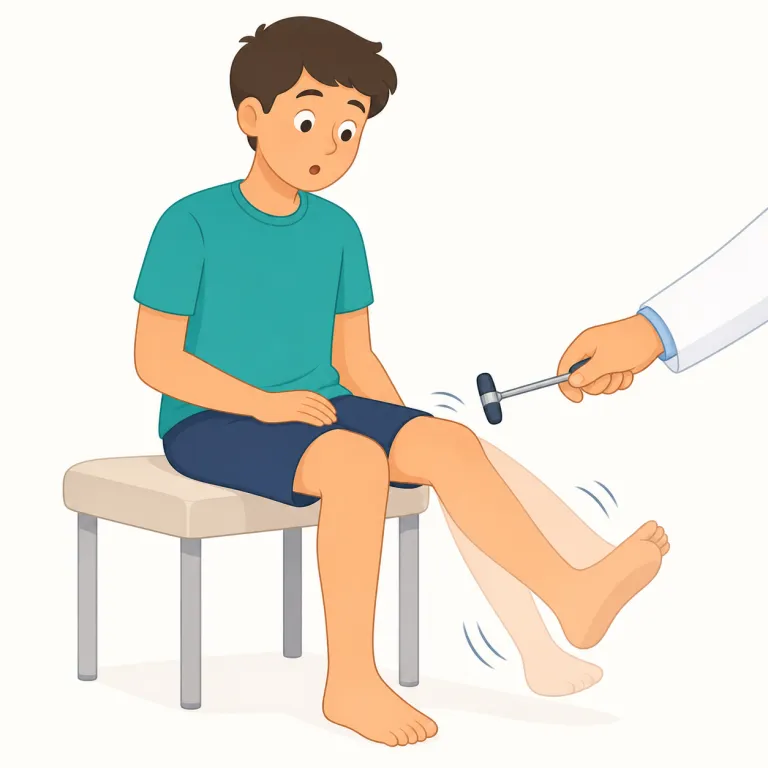
自分の意思でコントロールできない、または無意識のうちに起こる。意思に反して行われる行動や反応。
If something is involuntary, it happens without conscious control or choice. It is often used for physical actions, reactions, or situations that are not done willingly. This word can describe both automatic body movements and actions forced by outside conditions.
覚え方のコツ Memory Tip
voluntary を「自分の意思でやる」と知っていれば、その反対側にある語として覚えやすい。中心の感覚は「自分で選んでいない・止められない」。involuntary laugh は「思わず出た笑い」、involuntary movement は「不随意運動」で、体や感情の反応に特によく出る。automatic が機械的に自動で起こる感じなのに対し、involuntary は人の反応や行為が意思に反して起こる点が重要。文脈によっては「本人の望まない」という含みも出る。
Notice the base voluntary inside it: involuntary means not under your will. It often goes with body reactions like involuntary movement, smile, or sigh. Unlike automatic, it usually points to human physical or emotional responses.
例文
She gasped in shock, an involuntary reaction.
彼女は衝撃で思わず息を呑んだ。無意識の反応だった。
Blinking is an involuntary action.
まばたきは無意識の行動である。
The involuntary sigh showed her concern.
思わず漏れたため息が、彼女の懸念を表していた。
不随意の
(意味 2)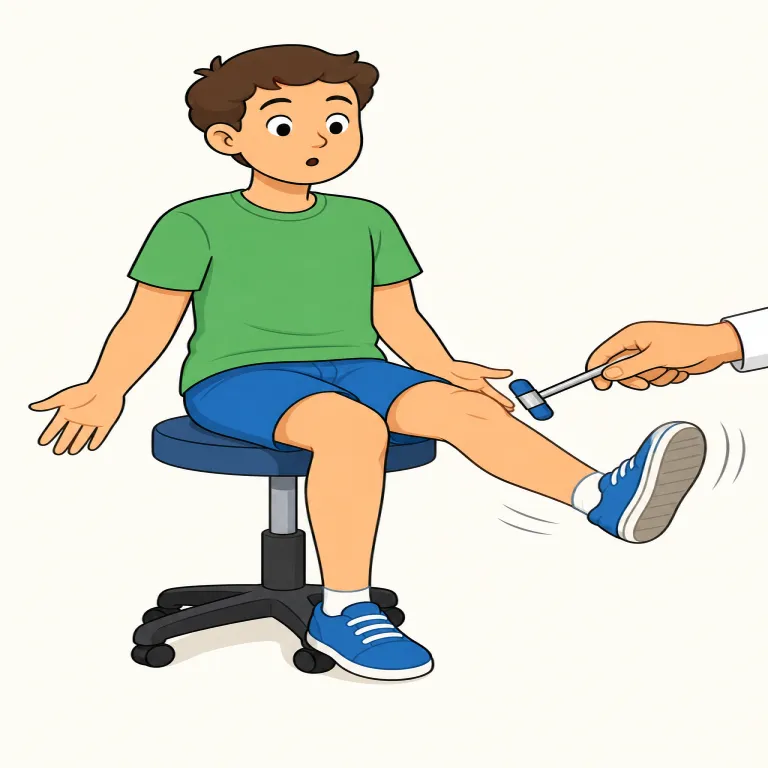
解説 Definition
自分の意志や意図によらず、意識的な選択なしに起こることを表す。特に、自分で制御できない身体の動きや反応について使われる。
Involuntary means happening without choice or conscious control. It is especially used for body movements and reactions that a person cannot intentionally control. The word emphasizes the absence of intention or will.
覚え方のコツ Memory Tip
voluntary が「自分の意志で行う」。そこに否定の接頭辞 in- が付いたのが involuntary なので、まず voluntary と対で覚えると定着しやすいです。volunteer も同じ vol- 系で「自分からやる」側。つまり involuntary は「自分では止めたり選んだりしていない」感覚。involuntary movement(不随意運動)や an involuntary smile のように、反射的・制御不能な場面でよく出ます。なお unwilling は「したくない」、involuntary は「意志と無関係に起こる」で別物です。
Notice the `vol-` part, which is related to will or choice, as in `volunteer` or `volition`. Add `in-`, and the idea becomes `not by choice`. That helps you remember why `involuntary` often describes actions or reactions outside conscious control.
例文
He let out an involuntary gasp when he heard the unexpected news.
予期せぬニュースを聞いたとき、彼は思わず息をのみました。
Blinking is largely an involuntary action that the body performs automatically.
まばたきは主に、体が自動的に行う不随意の動作です。
The defendant claimed the act was involuntary and done without any conscious intention.
被告は、その行為は自らの意思によるものではなく、意図せず行われたと主張しました。
えいたんごクイズでの正答率
この語をはじめて出題された 36人 のうち 29人 が正解しました(81%)。
えいたんごクイズの回答から集計した独自データです。1人につき最初に出題されたときの1回だけを数えており、復習や2回目以降の回答、「わからない」と時間切れは含みません。 集計時点は 2026年9月19日 です。
involuntary の類義語・関連語
対義語
involuntary の語源・成り立ち Etymology
involuntary は in-「否定」+ volunt-「意志・望み」+ -ary「性質の」で、ラテン語 involuntarius に由来します。原義は「意志によらない」で、反射や無意識の動きに使われるのが腑に落ちます。関連語は voluntary, volition。
Involuntary comes from Latin involuntarius, built from in- "not" and voluntarius, from voluntas "will, wish." Its basic sense was "not from one's own will." Related English words include voluntary and volition, which keep the same idea of choice and intention.
同じレベルの語彙をもっと
外部辞書で調べる
この英単語をクイズで覚えよう