意味一覧 (2件)
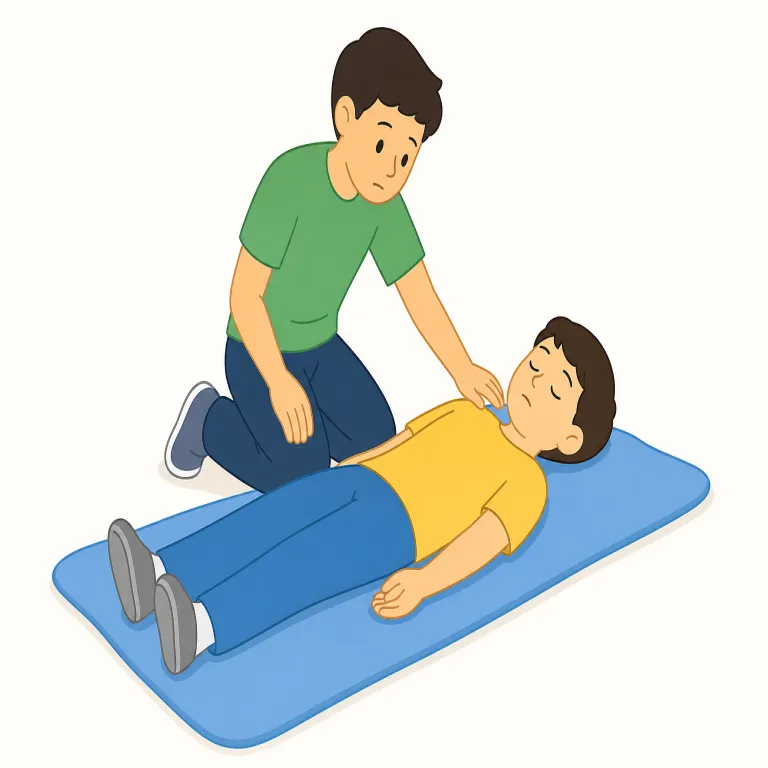
意識不明の
解説 Definition
人がけが・病気・強い衝撃・麻酔などで意識を失い、呼びかけや周囲の出来事に反応できない状態を表します。事故現場、救急医療、スポーツの場面などで、その人が意識不明であることを説明するときによく使います。ニュースや日常会話でも使われます。
This adjective describes a person who has lost awareness and cannot respond normally to people or events around them. It is often used after an injury, illness, strong impact, or anesthesia.
覚え方のコツ Memory Tip
まず conscious「意識がある」を軸に置く。そこへ否定の un- が付くので、この行では『意識がない』、つまり事故や麻酔で呼びかけに反応できない状態だと押さえる。unconscious bias のような『本人が気づかない』とは切り分けて、be found unconscious や lie unconscious のように、体が倒れて意識を失っている場面を思い浮かべると定着しやすい。conscious patient は意識のある患者、その反対が unconscious patient。
Start with conscious, meaning aware, and add un- to make it negative. For this sense, picture a patient who cannot respond after an accident or operation, not a person who is simply unaware of a habit or bias.
例文
He was found unconscious after the accident.
彼は事故の後、意識不明の状態で発見された。
The boxer lay unconscious on the mat.
そのボクサーはマットの上で意識不明のまま倒れていた。
She remained unconscious for several hours after the surgery.
彼女は手術後、数時間にわたって意識不明だった。
無意識の
(意味 2)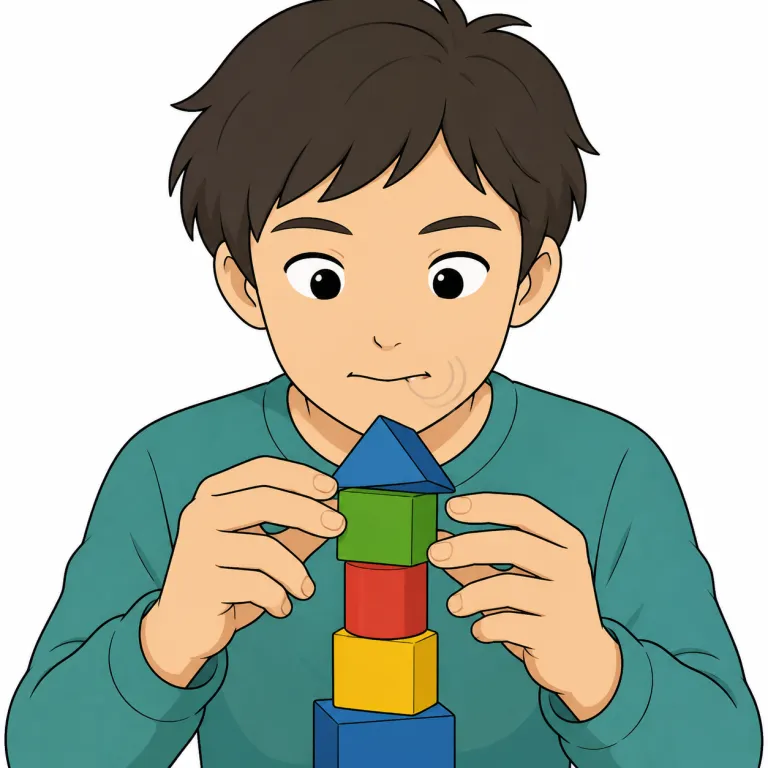
解説 Definition
unconscious は、自分で意識していない状態や、考えずに起こる反応・行動を表す形容詞です。人の癖や判断、偏りなどが本人の自覚なしに現れる場面で使われ、心理学では無意識的な心の働きを述べるときにも用いられます。
If someone is unconscious, they are not awake and cannot think, feel, or respond normally. It is often used for a person who has fainted, been injured, or is under medical treatment. In psychology, it can also describe mental processes that happen without awareness, but that use is more technical.
覚え方のコツ Memory Tip
まず conscious「意識している・気づいている」を軸に置く。そこへ否定の un- が付くので、基本像は『意識がない』『自覚していない』。ニュースや医療では be unconscious after an accident のように『気を失った』、心理や行動では unconscious bias / unconscious habit のように『本人は気づかないまま起こる』を表す。conscious choice は意識的な選択で、その反対側にある反応だと捉えると定着しやすい。subconscious と近いが、unconscious のほうがより自覚の外にある感覚。
Split it into un- + conscious: not conscious, not fully noticed by yourself. This helps with phrases like `unconscious bias` or `unconscious habit`, where something affects you without your awareness. It is close to automatic, but the key memory hook is `outside your awareness`.
例文
Many people have unconscious habits they do not notice.
多くの人には、自分で気づいていない無意識の習慣がある。
Her decision was influenced by an unconscious bias.
彼女の判断は無意識の偏見に影響されていた。
He had an unconscious habit of biting his lip when he was nervous.
彼には緊張すると唇をかむ無意識の癖があった。
unconscious の類義語・関連語
unconscious の語源・成り立ち Etymology
unconscious は un-「〜でない」+ conscious で、conscious はラテン語 conscius に由来します。con-「共に」+ sci-「知る」を含むので、意識して知っている状態が conscious。その否定として、医療や事故では『意識がなく反応できない』状態を表します。conscience と science は sci- の仲間です。
It is formed from un-, meaning “not,” and conscious, which comes from Latin conscius. That Latin word contains elements expressing “together” and “knowing.”
同じレベルの語彙をもっと
外部辞書で調べる
この英単語をクイズで覚えよう