おもらし、粗相
noun 名詞幼い子どもやペットなどが、意図せず尿や便を漏らすことを遠回しに表します。have an accident の形でよく使われ、交通事故などではなく、失禁や排泄の失敗を直接的に言わずに伝える婉曲的な用法です。
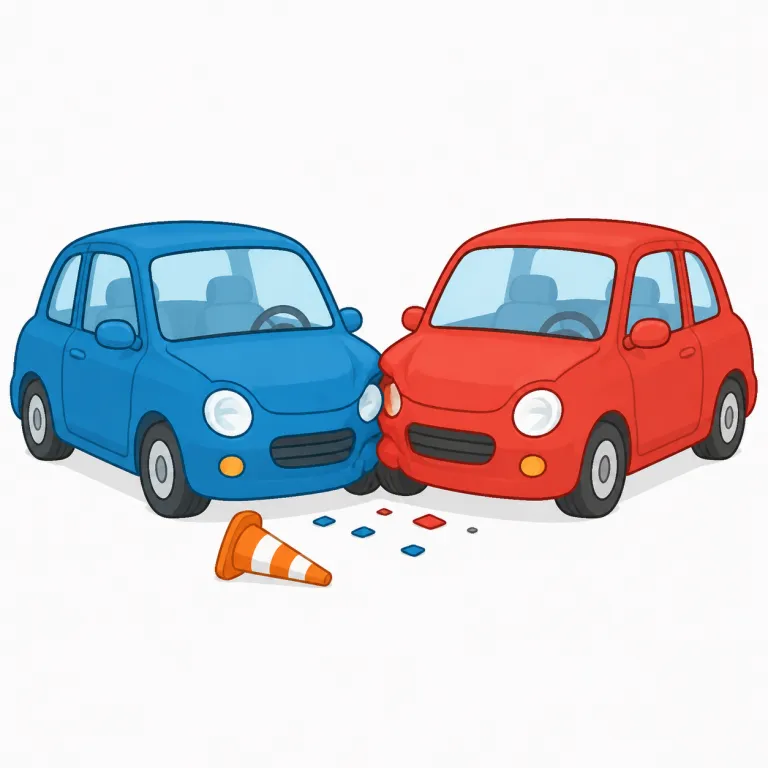
accident は英検3級・TOEIC 600レベルの英単語で、「事故」という意味があります。発音記号は /ˈæksɪdənt/ です。
意図せずに起こる不測の出来事で、交通手段や作業中などに人や物に危害が及ぶことが多いです。原因は予測困難で、怪我や損壊を伴うような状況を指すことが一般的です。
An accident is something bad or unexpected that happens without being planned. It often means an event that causes damage, injury, or problems, especially on roads or at work. The word can also refer more generally to something that happens by chance.
accident は「悪い incident」とセットで覚えると区別しやすいです。incident は中立的な「出来事」ですが、accident は意図せず起き、けがや損害につながる出来事に寄ります。mistake が「判断や行動のミス」なのに対し、accident はその結果として起きた事故・偶発事。car accident, traffic accident, industrial accident の形で非常によく出ます。さらに by accident は「偶然に」で on purpose の反対。この句まで一緒に覚えると記憶が安定します。
Learn `accident` next to `incident` and `mistake`. An `incident` is any event, a `mistake` is an error, but an `accident` is something unplanned that causes trouble or damage. Also remember `by accident`, which is a very common phrase and the opposite of `on purpose`.
An accident happens near my house.
家の近くで事故が起きます。
Two people got hurt in the accident.
その事故で2人がけがをしました。
I saw a bus accident.
私はバスの事故を目撃しました。
この語をはじめて出題された 70人 のうち 65人 が正解しました(93%)。
えいたんごクイズの回答から集計した独自データです。1人につき最初に出題されたときの1回だけを数えており、復習や2回目以降の回答、「わからない」と時間切れは含みません。 集計時点は 2026年9月19日 です。
文脈によって、次の意味でも使われます。
幼い子どもやペットなどが、意図せず尿や便を漏らすことを遠回しに表します。have an accident の形でよく使われ、交通事故などではなく、失禁や排泄の失敗を直接的に言わずに伝える婉曲的な用法です。
古フランス語を経てラテン語 accidentem にさかのぼり、ad-「〜へ」+ cadere「落ちる」から成ります。もとは「降りかかる出来事」で、incident や coincide と同じく『ふいに起こる』感覚が今の「事故」につながります。
"Accident" came through Old French from Latin "accidens" or "accidentem," from "ad-" meaning "to" and "cadere" meaning "to fall." The original idea was something that "falls upon" a person or happens unexpectedly. That sense of an event happening suddenly led to its modern use. Related words from the same Latin root include "incident" and "coincide."
この英単語をクイズで覚えよう