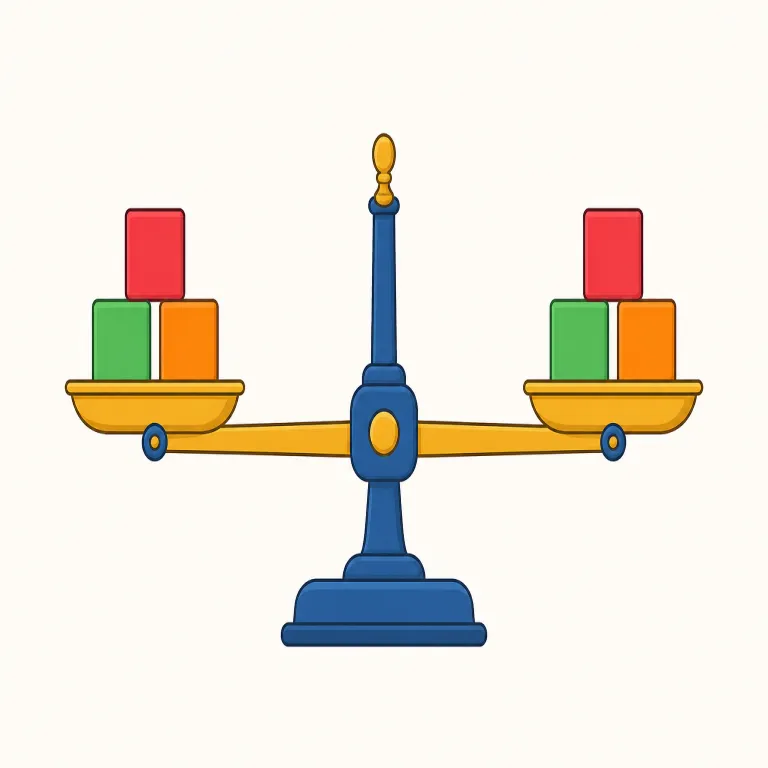
equal
equal は英検準2級・TOEIC 730・TOEFL 60・IELTS 5.5レベルの英単語で、「等しい、同等の、〜に等しい、平等な」という意味があります。発音記号は /ˈiːkwəl/ です。
等しい、同等の
/ verb 動詞 〜に等しい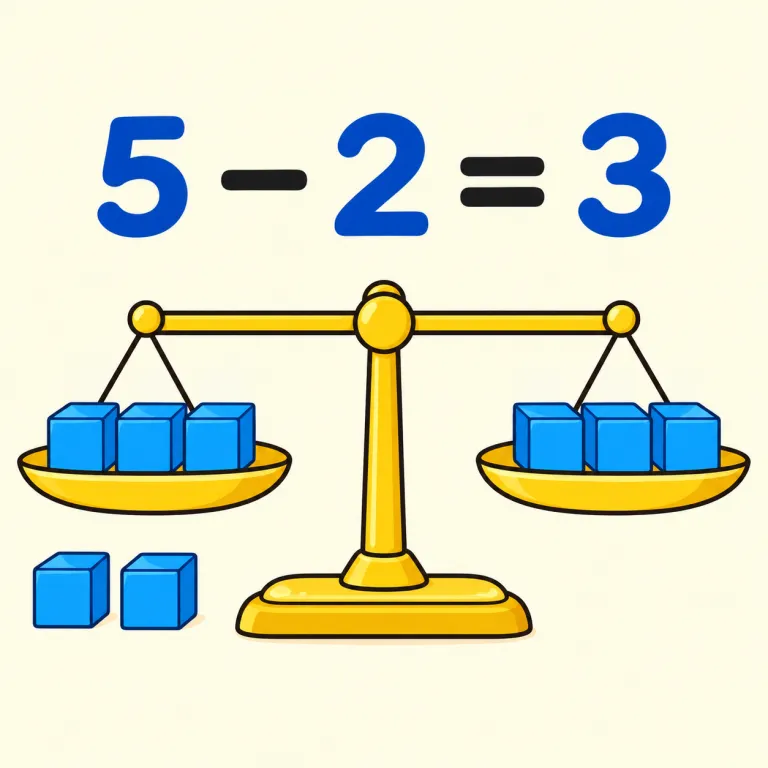
解説 Definition
数量・程度・価値・地位などが、他のものと同じであることを表す形容詞。人や物を比べて「差がない」「同じ水準だ」と言うときに使い、日常的な比較から評価まで幅広く用いられる。
Having the same amount, degree, value, or status as something else. It describes things or people with no difference in the particular quality being compared.
覚え方のコツ Memory Tip
equal はまず形容詞の「等しい」で覚え、その感覚をそのまま動詞に伸ばすと入りやすいです。A equals B は「AがBと同じになる・同じだけある」。数学の = を読む語でもあるので、頭の中で“イコールで結ばれる”場面を固定すると忘れにくくなります。same は「同じ」、equal は「量・価値・程度が釣り合って等しい」という響き。be equal to と混同しやすいですが、動詞なら equals の形で主語の後ろにそのまま置けます。
Picture the mathematical sign = joining two matching amounts. Learn the adjective in phrases such as "equal amounts" and "equal in weight" to remember that the compared quantities match.
例文
The two boxes are equal in weight.
その2つの箱は重さが同じです。
The cups have equal amounts of water.
それぞれのカップには同じ量の水が入っています。
Both teams have equal points.
両方のチームの点は同じです。
平等な
(意味 2)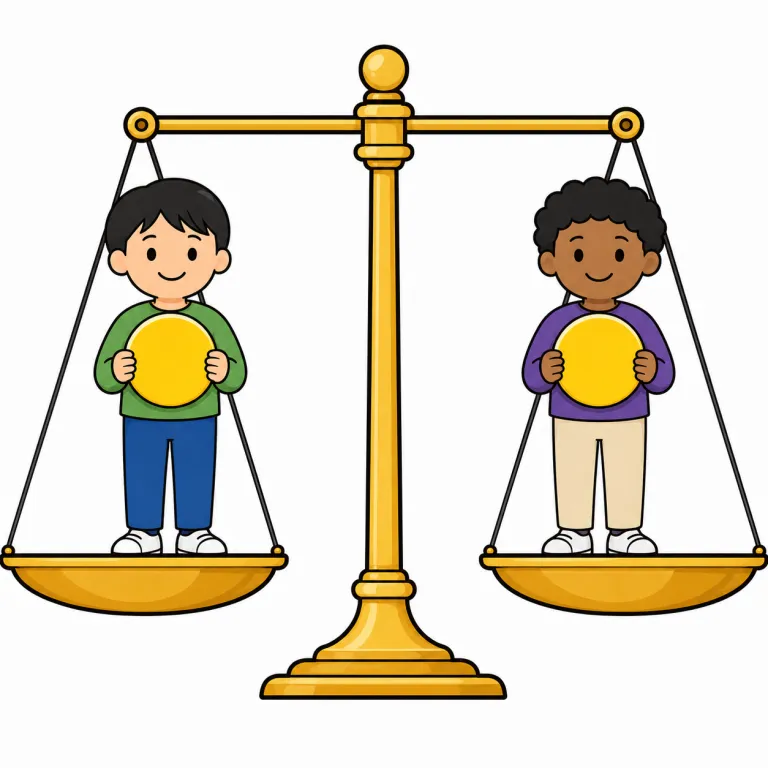
解説 Definition
人々が同じ権利・機会・扱いを受けるべきだという意味の形容詞。法律、教育、職場、社会制度などの文脈でよく使われ、不当な差別や偏りがない状態を表す。
Giving or having the same rights, opportunities, or treatment without unfair discrimination. It is used when discussing fairness in education, employment, law, and society.
覚え方のコツ Memory Tip
equal は「左右の皿が同じ高さになった天びん」を思い浮かべ、権利・機会・扱いに偏りがない「平等な」と覚えると定着しやすいです。equation「方程式」の左右を等しくする感覚ともつながります。equal rights「平等な権利」、equal opportunities「平等な機会」、equal access to education「教育を受ける平等な機会」のようなまとまりが頻出です。same が物や内容の「同じ」を広く表すのに対し、equal は量や地位が釣り合い、公平に与えられている点に注目します。give everyone equal chances「全員に平等な機会を与える」という場面で固定すると使いやすくなります。
Picture a balance with both sides at the same height, representing rights and opportunities shared fairly. Learn "equal rights," "equal opportunities," and "equal access to education" as useful phrases.
例文
All students deserve equal access to education.
すべての学生に教育を受ける平等な機会があるべきだ。
Girls and boys have equal chances at school.
学校では女子にも男子にも平等な機会があります。
We give all players equal turns.
私たちはすべての選手に平等に出番を与えます。
えいたんごクイズでの正答率
この語をはじめて出題された 34人 のうち 28人 が正解しました(82%)。
えいたんごクイズの回答から集計した独自データです。1人につき最初に出題されたときの1回だけを数えており、復習や2回目以降の回答、「わからない」と時間切れは含みません。 集計時点は 2026年9月19日 です。
equal の類義語・関連語
equal の語源・成り立ち Etymology
ラテン語 aequālis(等しい)から。語根 aequus(平らな・公平な)に形容詞接尾辞 -ālis が付いた形。地面が平らであることと公平さが結びついた発想が面白い。関連語: equation(方程式)、equity(公平・株式)。いずれも「釣り合い」の概念を共有する。
Equal comes from Latin aequalis, meaning equal. This was formed from aequus, meaning level or fair, with the adjective suffix -alis.
同じレベルの語彙をもっと
英検準2級の一覧へ →外部辞書で調べる
この英単語をクイズで覚えよう