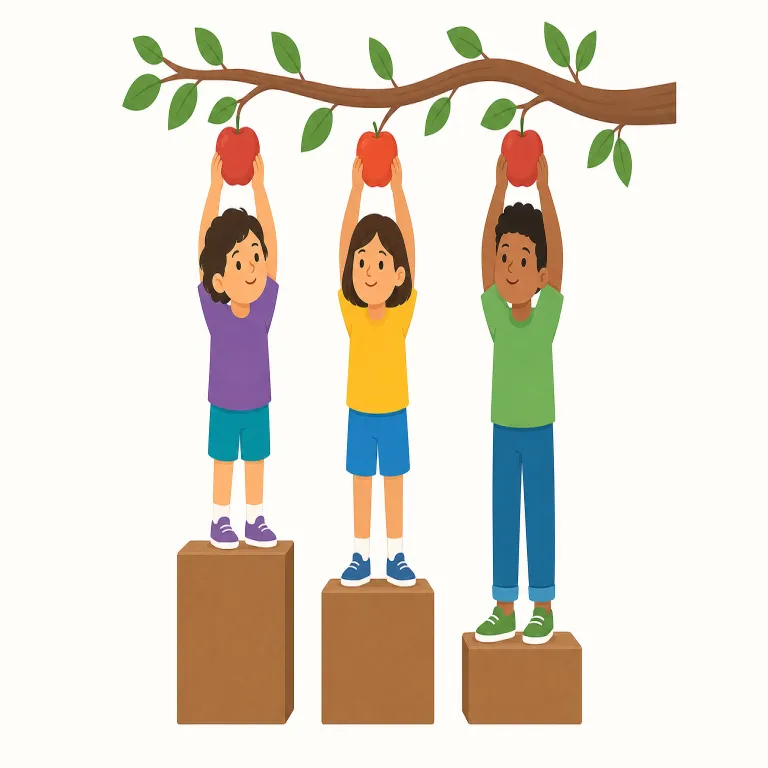
公平な
解説 Definition
「equitable」は、すべての人に対して公正かつ平等な扱いをすることを表す形容詞です。単に形式的な平等ではなく、個々の状況や必要性を考慮した上での公平さを意味します。法律、教育、経済政策など、社会的な文脈でよく使われる言葉です。
Equitable means fair and reasonable, especially when people are treated according to their needs or situation. It is often used in discussions about law, education, pay, or social systems. It is close to fair, but it often suggests careful fairness rather than simple equality.
覚え方のコツ Memory Tip
このエントリの equitable は、単に規則どおりで「公正な」という基本義だけでなく、資源・機会・教育などを各人の必要に応じて配分する「公平な」という感覚に寄せて覚えます。equal が全員に同じ量を与える発想なら、equitable は状況差を見て納得できる配分にする発想です。equitable access, equitable distribution, equitable school system の形で、社会制度や政策の文脈に結びつけると定着します。
Link it to `equity`, which means fairness. The ending `-able` often makes an adjective, so `equitable` means having the quality of equity. It often appears in formal phrases like `equitable treatment`, `equitable access`, and `equitable distribution`, which helps separate it from simple `equal`.
例文
The judge was known for making equitable decisions in complex legal cases.
その判事は複雑な法的事件において公平な判断を下すことで知られていた。
The nonprofit organization works toward an equitable distribution of resources in the community.
その非営利団体は、地域社会における資源の公平な分配を目指して活動している。
An equitable school system ensures that all students have access to quality education.
公平な教育制度は、すべての生徒が質の高い教育を受けられるようにする。
公正な
(意味 2)解説 Definition
equitable は、判断や制度が道理にかなっていて偏りがない「公正な」ことを表します。法律・職場・契約・政策などで、立場や事情を考慮した納得できる扱いを述べる時によく使われます。
Equitable means fair in a reasonable and balanced way, especially in decisions, systems, or treatment. It is often used for laws, contracts, workplace rules, and public policies when different situations are considered carefully. The word suggests more than simple kindness: it describes something that gives people fair treatment based on what is right.
覚え方のコツ Memory Tip
equitable は equity「公正さ・衡平」と -able「〜できる、〜に適した」を結びつけると覚えやすい語です。equal は「同じ量・同じ条件」に焦点があり、fair は日常的に広く使えます。equitable はより書き言葉で、rules, process, solution, treatment などと一緒に、事情を踏まえて正しく扱う感じを出します。単なる親切さではなく、制度や判断が理にかなっている時の形容詞です。
You can remember equitable by linking it to equity, which means fairness, and -able, which often means suitable for or able to do something. Equal focuses on the same amount or the same conditions, and fair is a common everyday word. Equitable is more formal and is often used with words like rules, process, solution, and treatment when a decision is fair after considering the situation carefully.
例文
The company is trying to create an equitable system for paying its employees.
その会社は、従業員に公正に給料を払う仕組みを作ろうとしている。
The judge looked for an equitable solution that respected both sides of the agreement.
裁判官は、契約の両当事者を尊重する公正な解決策を探した。
Teachers should give equitable attention to students with different learning needs.
教師は、学習の必要が異なる生徒たちに公正に目を向けるべきだ。
公正な
(意味 3)解説 Definition
すべての人に公正で不偏な扱いをすることを意味します。公平な権利と機会を与え、不公正さがない状態を指します。
例文
The distribution system was designed to be equitable for all communities.
その配給システムは、すべてのコミュニティに対して公正になるよう設計されました。
An equitable solution should benefit all parties involved in the negotiation.
公正な解決策は、交渉に関わるすべての当事者に利益をもたらします。
The teacher tried to create an equitable classroom where every student felt valued.
その教師は、すべての学生が大切に感じる公正な教室を作ろうとしました。
正当な
(意味 4)解説 Definition
公平で公正な。すべての関係者に対して同等に配慮し、不公正さがない。
例文
The court made an equitable judgment that satisfied both parties.
その裁判所は両当事者を満足させた正当な判決を下しました。
An equitable inheritance should be divided fairly among all heirs.
正当な相続は、すべての相続人の間で公平に分割される必要があります。
The company established an equitable pay system for all employees.
その会社はすべての従業員に対して正当な給与システムを確立しました。
equitable の語源・成り立ち Etymology
equitable は equity「公平」+ -able「…できる」に分けられ、さらに equity はラテン語 aequus「平らな・等しい」にさかのぼります。皆を同じ平面に置くイメージから、「偏りなく公平な」という意味になります。関連語は equal, equity。
Equitable comes from `equity` plus `-able`, and `equity` goes back to Latin `aequus`, meaning "level," "equal," or "fair." The idea is of putting people on an equal level. Related English words include `equal`, `equity`, and `equation`.
外部辞書で調べる
この単語を英単語クイズで覚えよう