
event
event は英検6級レベルの英単語で、「イベント、出来事、事件」という意味があります。発音記号は /ɪˈvɛnt/ です。
意味一覧 (2件)
イベント
解説 Definition
人々が集まるために企画・開催される行事やイベントを意味する名詞です。コンサート、展覧会、スポーツ大会、祭りなど様々な種類の催しを指します。主に公的または組織的に計画された集まりを表す場合に使われます。
An event is something that happens, especially something important, planned, or special. It is often used for social gatherings, public activities, or notable moments in life. The word can refer to both a single happening and an organized occasion.
覚え方のコツ Memory Tip
event はまず「カレンダーに載る出来事」と結びつけると覚えやすいです。concert event, sports event, annual event のように、個人の気分よりも“人が集まる予定された催し”に広く使えます。party より範囲が広く、式典・大会・展示会にも使える語です。hold an event, attend an event, special event などのかたまりで覚えると実戦的です。さらに current events では「時事・出来事」の意味にも広がるので、「起きたこと全般にも使える基本語」と整理すると定着します。
Think of an `event` as something organized, not just any meeting. It often appears in chunks like `hold an event`, `host an event`, and `attend an event`. Compared with `party`, `event` is broader and more neutral, so it fits concerts, talks, and public activities too.
例文
The school will have a sports event next month.
学校では来月、スポーツイベントを開きます。
We are planning a fundraising event for the local charity.
私たちは地元の慈善団体のための資金集めの催しを計画しています。
Many students came to the music event.
多くの生徒が音楽イベントに来ました。
出来事、事件
(意味 2)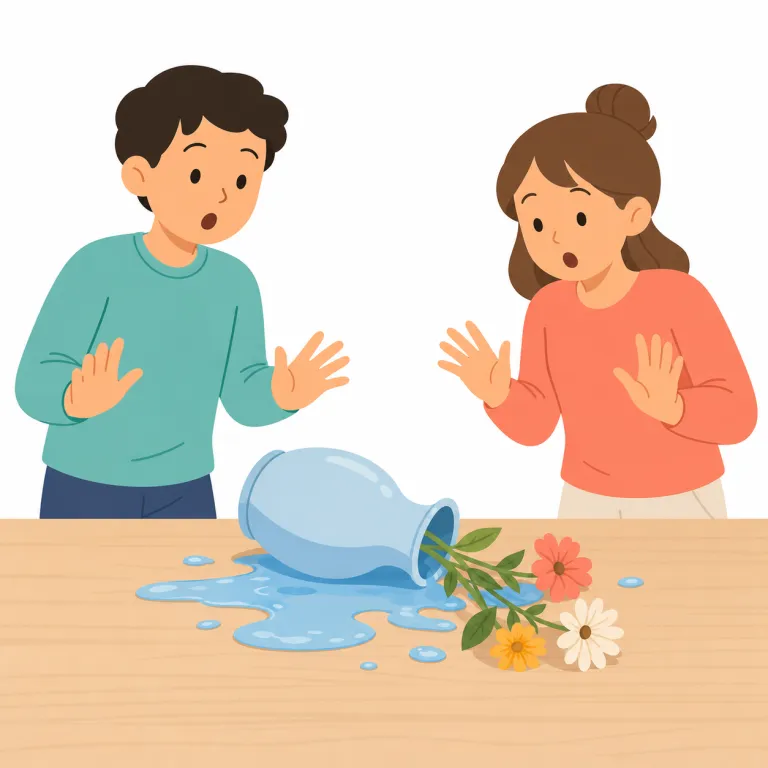
解説 Definition
event は、何かが起こった一つの出来事や事件を指す名詞です。催し物という意味ではなく、日常の変化、ニュース、歴史上の出来事などを広く表すときに使われます。
Something that happens, considered as an individual occurrence. It can refer to a development in everyday life, a newsworthy incident, or something that happened in history.
覚え方のコツ Memory Tip
event はまず「起きた一つのこと」と結びつけると覚えやすいです。historical event, major event, current events のように、個人の気分ではなく“実際に発生した出来事・事件”を広く指します。accident より中立的で、news より一つ一つの発生事実に寄る語です。The event changed history. / no major events の形で覚えると実戦的です。concert event のような「催し物」にも使えますが、この語義では予定された行事ではなく、世の中や状況の中で起こったこと全般と整理すると定着します。
Think of one actual happening that you could mark on a timeline. Learn historical event, major event, and current events to connect the word with things that occur. Unlike accident, it does not itself suggest that something went wrong.
例文
The event changed the course of history.
その出来事は歴史の流れを変えた。
No major events were reported overnight.
一晩の間に大きな出来事は報告されなかった。
We discussed the events leading up to the accident.
私たちは事故に至る一連の出来事について話し合った。
event の類義語・関連語
event の語源・成り立ち Etymology
「event」はラテン語 eventus に由来し、e-/ex-「外へ」+ venire「来る」から成るため、原義は「起こって表に現れること」です。venue や convenient も同じ venire を含み、event を「流れの中から出てくる出来事」と考えると意味が立体的になります。
Event comes from Latin eventus, from evenire, meaning "to come out" or "to happen." It is built from ex-, "out," and venire, "to come." The original picture is of something emerging or coming forth, and related words such as venue and convenient share the same venire root.
同じレベルの語彙をもっと
英検6級の一覧へ →外部辞書で調べる
この英単語をクイズで覚えよう