
bias
bias は英検2級・TOEIC 990・TOEFL 100・IELTS 7.5レベルの英単語で、「偏見、偏り」という意味があります。発音記号は /ˈbaɪəs/ です。
意味一覧 (2件)
偏見
解説 Definition
公平でない判断や先入観のことを指します。差別や偏った見方に基づく不公正な態度や意見です。
Bias is a tendency to think or feel in a way that is unfairly in favor of or against someone or something. It often affects opinions, decisions, or reports. The word is common in discussions about media, hiring, politics, and social issues.
覚え方のコツ Memory Tip
bias は「判断が片側に傾く」という感覚で覚えると残りやすい語。biased / unbiased までまとめて押さえると、語形が変わっても意味がぶれない。ニュースなら media bias、採用なら gender bias、心理学なら confirmation bias のように「客観性を欠いた見方・判断のクセ」で頻出。bias against ~ は「~への偏見」、bias toward ~ は「~寄りの傾き」。prejudice は感情的な偏見を強く指しやすく、bias は評価や判断の偏り全般に広く使える。
Picture a judgment leaning to one side instead of staying balanced. That is the core feeling of `bias`. It helps to learn `biased` and `unbiased` together, and to notice common phrases like `media bias` and `gender bias`.
例文
His bias made him dislike the new student.
彼は偏見から、その転校生を嫌いました。
We should not show bias against students from other countries.
外国から来た生徒に偏見を持つべきではありません。
Good teachers treat every student without bias.
良い先生は、どの生徒にも偏見なく接します。
えいたんごクイズでの正答率
この語をはじめて出題された 40人 のうち 35人 が正解しました(88%)。
えいたんごクイズの回答から集計した独自データです。1人につき最初に出題されたときの1回だけを数えており、復習や2回目以降の回答、「わからない」と時間切れは含みません。 集計時点は 2026年9月19日 です。
偏り
(意味 2)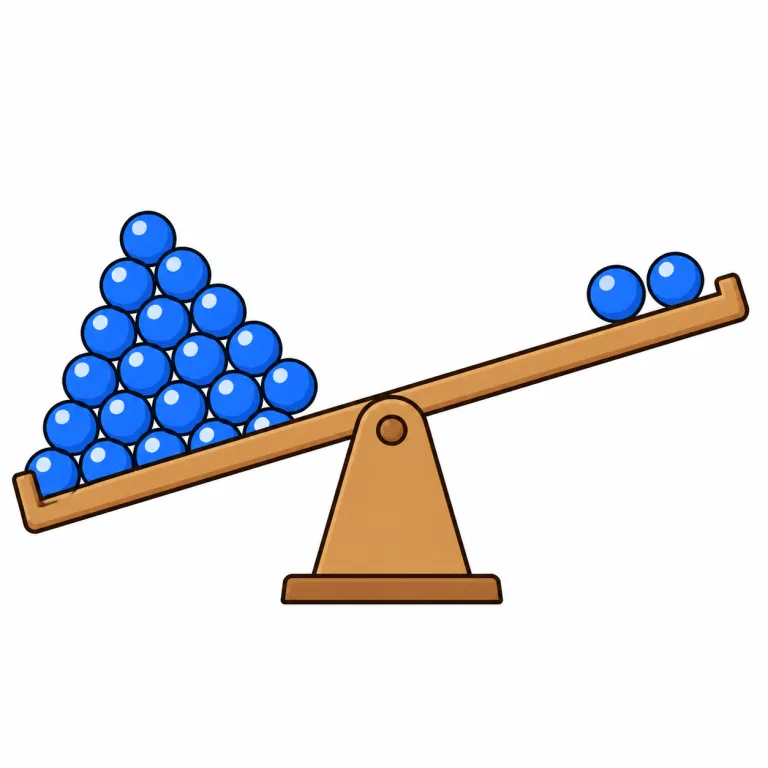
解説 Definition
「bias」が「偏見」ではなく、データ・報道・判断などが一方に寄っていて中立でない状態を表す名詞。統計や研究、機械学習、議論の文脈でよく使われ、集め方や見方の片寄りのために、結果や結論が特定の方向へ傾くことを示す。
A tendency for data, reporting, or judgment to lean in one direction instead of representing things neutrally. It can result from how information is collected or interpreted and can influence the conclusions drawn.
例文
The survey showed a bias toward younger respondents.
その調査は若い回答者に偏っていた。
We removed the bias from the training data.
私たちは学習データの偏りを取り除いた。
News coverage can contain political bias.
報道には政治的な偏りが含まれることがある。
bias の類義語・関連語
bias の語源・成り立ち Etymology
ラテン語の「obliquus(斜めの)」からフランス語「biais(斜め、傾き)」を経て英語に入った。布を斜めに裁つ意味から、考え方が一方に「傾く」→「偏見」へと意味が広がった。関連語:biased(偏った)。
"Bias" came into English through French biais, meaning something slanting or off to one side. It goes back to Latin roots linked with the idea of being oblique or not straight. Because cloth cut diagonally is on the bias, the word later developed the figurative sense of a mind that leans unfairly in one direction; "biased" is a related word.
同じレベルの語彙をもっと
英検2級の一覧へ →外部辞書で調べる
この英単語をクイズで覚えよう