
意味一覧 (2件)
傾斜、斜めに傾く
解説 Definition
ものや面がまっすぐではなく、片側へななめに傾いていることを表します。また、線や光、雨などが、まっすぐ下や横ではなく、ななめの向きに進んだり傾いたりすることも表します。
A slant is a slope or a tilted direction. To slant means to lean or move at an angle instead of being straight up, down, or across.
覚え方のコツ Memory Tip
slant は、水平・垂直の基準線に対して一本の線が斜めになっている図を描き、「まっすぐでなく片側へ傾く」と固定すると覚えやすい語です。名詞では a gentle slant(緩やかな傾斜)のように傾きそのもの、動詞では The floor slants toward the door のように「~の方向へ傾く」を表します。rain slants against the window なら、風で雨が斜めに窓へ当たる動きです。steep/gentle slant、slant toward、slant against を、屋根・床・雨の三つの場面に割り当てると、名詞と動詞の用法が混同しにくくなります。
Picture a roof or line leaning to one side. If it is not straight but at an angle, it has a slant or it slants.
例文
The roof has a gentle slant.
その屋根にはゆるやかな傾斜があります。
The floor slants toward the door.
床はドアのほうへ斜めに傾いています。
Rain slanted against the window.
雨が斜めに窓を打ちました。
偏向
(意味 2)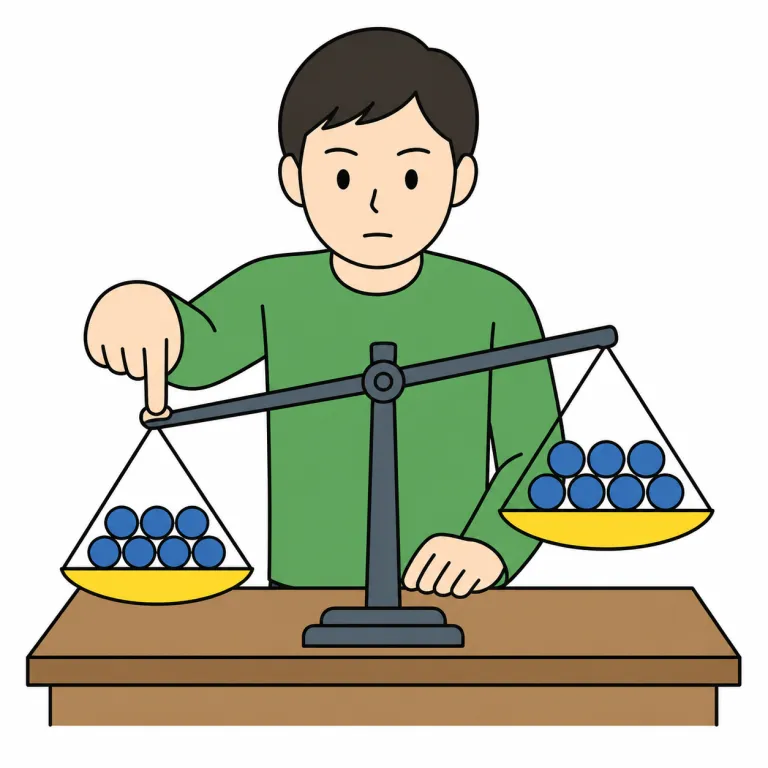
解説 Definition
物事の見せ方や考え方が一方向に傾いていること、つまり偏った視点や論調を指す名詞。ニュース、報告書、広告などが完全に中立ではなく、特定の立場に有利な見方を含んでいる場合によく使われる。
A slant is a particular way of presenting something that shows a certain opinion, bias, or point of view. It is often used when talking about news, arguments, or descriptions that are not fully neutral. The word suggests that the information is shaped in one direction.
覚え方のコツ Memory Tip
まず slant の芯を「斜め・傾き」で覚えると、偏向の意味に自然につながります。まっすぐではなく、片側に傾いている状態です。そこから news coverage has a slant のように、報道や説明が中立ではなく一方向に寄っている感じを思い出すと定着しやすいです。neutral が真ん中なら、slant はどちらかへ傾いた見せ方。特に media slant, political slant の形でよく見ます。単なる opinion ではなく、「見せ方そのものに傾きがある」点がコツです。
A slant is an angle, not a straight line. That image helps: when information has a slant, it is presented at an angle, not in a fully neutral way. Remember media slant or political slant.
例文
The news article had a political slant.
そのニュース記事には政治的な偏向があった。
The report presented information with a clear slant.
その報告書は明らかな偏向をもって情報を提示していた。
We must avoid slant in objective reporting.
客観的な報道では偏向を避けなければならない。
slant の類義語・関連語
派生語
slant の語源・成り立ち Etymology
古い北欧系の語で「ななめに進む、傾く」という考えに関係するとされています。英語では、面や線がまっすぐではなく傾いている様子を表す語として使われるようになりました。
Slant is thought to be related to old Scandinavian words connected with moving or leaning sideways. In English it came to describe a surface, line, or direction that is tilted rather than straight.
同じレベルの語彙をもっと
外部辞書で調べる
この英単語をクイズで覚えよう