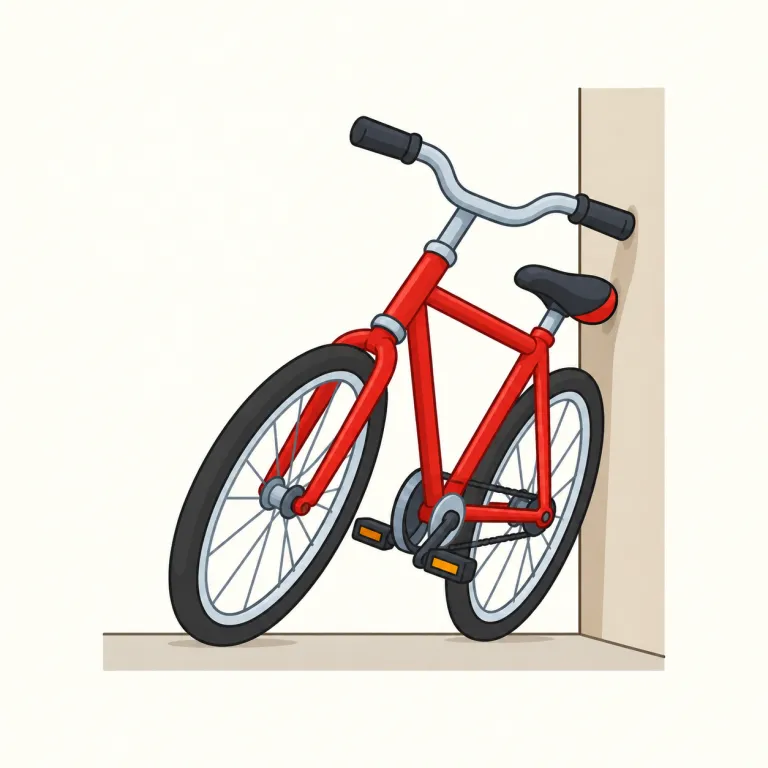
傾いている
解説 Definition
leaning は lean(傾く、寄りかかる)の現在分詞・動名詞です。物や体が斜めになっている状態、または何かに寄りかかっている動作を表します。
The present participle or gerund of lean, describing a person or object that is bending or positioned at an angle, or that is resting against something for physical support.
覚え方のコツ Memory Tip
原形 lean にそのまま -ing を付けた現在分詞・動名詞で、「傾いている」「寄りかかっている」を表す。leaning against the wall は壁を支えにし、leaning over the road は道路の上へ傾き、leaning forward は前へ身を乗り出す。方向を示す前置詞・副詞と一緒に覚える。
Leaning is made by adding -ing directly to the verb lean. Build a physical picture around the word: a bicycle leaning against a wall, a tree leaning over a road, or a listener leaning forward. The accompanying word tells you the direction or support. Against means that another object supports it; over shows that it extends above something; forward describes movement toward the front. This verb comes from the idea of bending or resting at an angle and is unrelated in origin to lean meaning “thin.”
例文
The bike is leaning against the wall.
その自転車は壁に立てかけられています。
A tall tree is leaning over the road.
高い木が道路の上に傾いています。
He was leaning forward to hear the speaker.
彼は話し手の声を聞こうとして前に身を乗り出していました。
leaning の類義語・関連語
leaning の語源・成り立ち Etymology
古英語 hlinian(寄りかかる)からゲルマン祖語 *hlinēn に遡る。体を傾けて何かに寄りかかる動作が原義。関連語に lean(痩せた)があるが、これは別語源(古英語 hlǣne)。「傾く・もたれる」という身体感覚がそのまま意味の核になっている。
Leaning consists of lean plus the participial suffix -ing. The verb lean, meaning “bend” or “rest against,” comes from Old English hlinian and has Germanic roots. Its long-standing central image is a body or object moving away from an upright position or using something for support. The adjective lean meaning “thin” developed from a different Old English word and is historically separate despite having the same modern spelling.
同じレベルの語彙をもっと
外部辞書で調べる
この英単語をクイズで覚えよう