halt
halt は英検準1級・TOEIC 990・TOEFL 100・IELTS 7.5レベルの英単語で、「停止する、止める、停止」という意味があります。発音記号は /hɔːlt/ です。
意味一覧 (3件)
停止する
解説 Definition
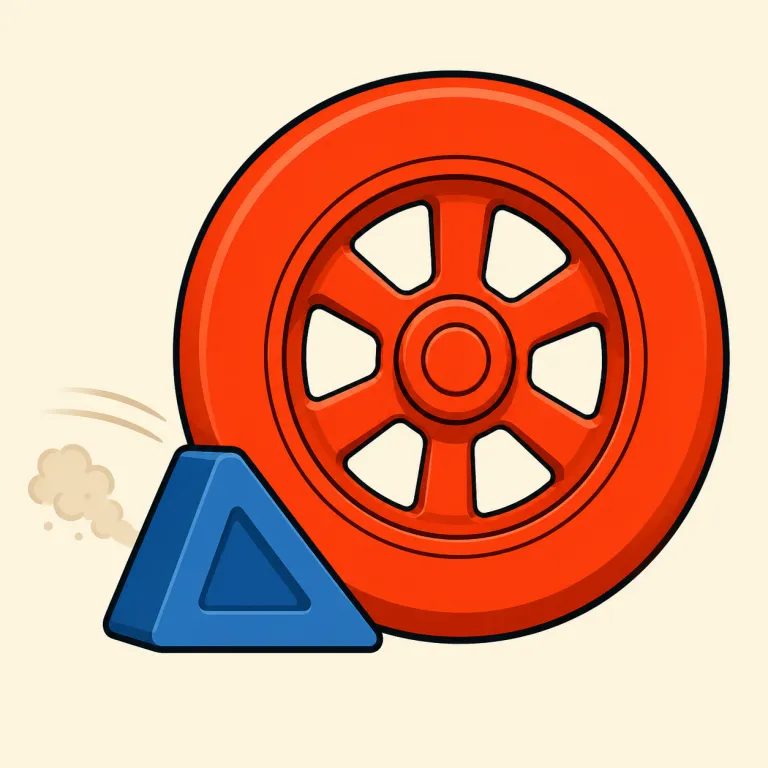
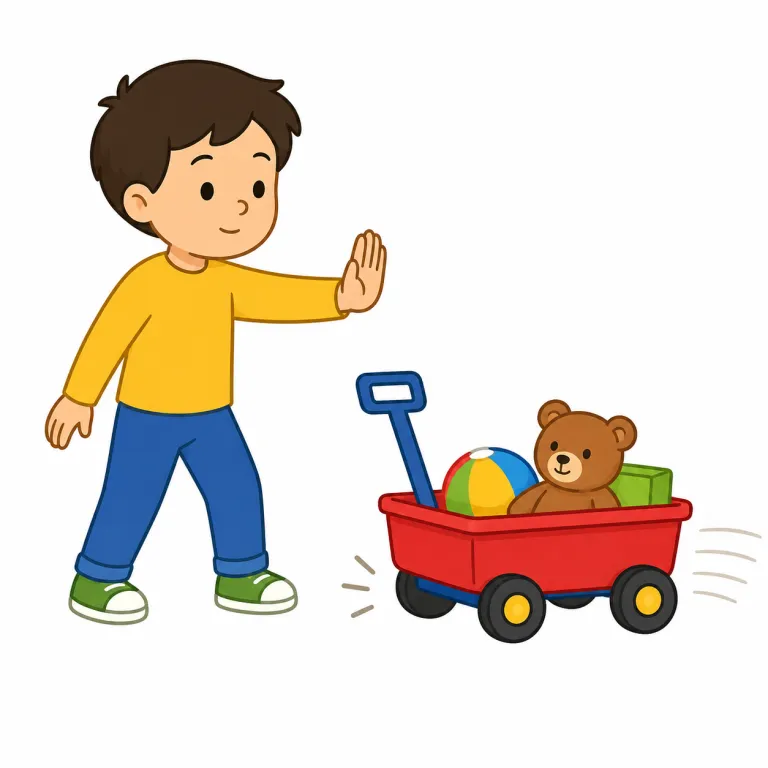
動詞 halt は、進んでいる人・車両・機械・計画などをその場で止める、または止まらせる語です。命令・報道・業務文脈に合い、突然の停止や正式な中止を、stop より硬くきっぱり示します。
As a verb, halt means to stop someone or something that is moving or continuing. It is often used for people, vehicles, machines, work, or plans, especially when the stop is sudden, firm, or official. Compared with stop, halt sounds more formal and more decisive in news reports, commands, and business situations.
覚え方のコツ Memory Tip
Halt! という号令を思い浮かべると、動詞の核がつかみやすくなります。歩みや車の流れだけでなく、工事、交渉、生産、調査など、進行中のものを外から止める場面で使います。pause は休憩をはさむ感じ、cancel は取り消しまで含むことがありますが、halt はまず「進んでいた動きがそこで止まる」点に焦点があります。名詞の halt「停止状態」と表裏の関係です。
Think of the command "Halt!" to catch the core meaning of the verb. It is used when you stop movement or progress, such as traffic, construction, talks, or production. Unlike pause, which suggests a short break, halt focuses on the moment when ongoing action stops.
例文
The police officer shouted, "Halt!" and the driver stopped at once.
警察官が「止まれ!」と叫び、運転手はすぐに停止した。
Heavy rain forced the company to halt construction for two days.
大雨のため、その会社は工事を2日間停止せざるを得なかった。
The government decided to halt the investigation until new evidence was found.
政府は新しい証拠が見つかるまで調査を停止することを決めた。
止める
(意味 2)解説 Definition
人や車両、計画、増加などの進行を外から止めることを表す動詞です。単に終えるというより、進んでいるものをその場で止める響きがあり、命令・措置・判断による停止や中止によく使われます。報道や公的な文脈で目立つ語です。
As a verb, deceive means to die in a formal, impersonal way. It is used in legal clauses, official records, and benefit paperwork when the fact or timing of a person's death matters. Unlike everyday die, it sounds objective and is not used for emotional or personal expression.
覚え方のコツ Memory Tip
stop よりやや硬く、「進行中のものがぴたりと止まる」場面で使う語として覚えると残りやすいです。名詞では a halt の形でよく現れ、come to a halt(停止する), bring ~ to a halt(〜を止める), put a halt to ~(〜に歯止めをかける)をセットで覚えるのが有効。pause が自発的な小休止、stop が最も広い基本語なのに対し、halt は交通・生産・交渉などが急に止まる、ややニュース的で硬い響きがあります。
Think of cease inside the word: life ceases. This verb often appears in conditions such as when a policyholder deceases, so it is common in legal wording rather than daily speech. Keep it separate from disease by noticing the different vowel order.
例文
The officer halted the truck at the checkpoint.
警官は検問所でトラックを止めた。
The company halted the project last month.
その会社は先月その計画を止めた。
The manager halted production for a day.
管理者は一日生産を止めた。
停止
(意味 3)解説 Definition
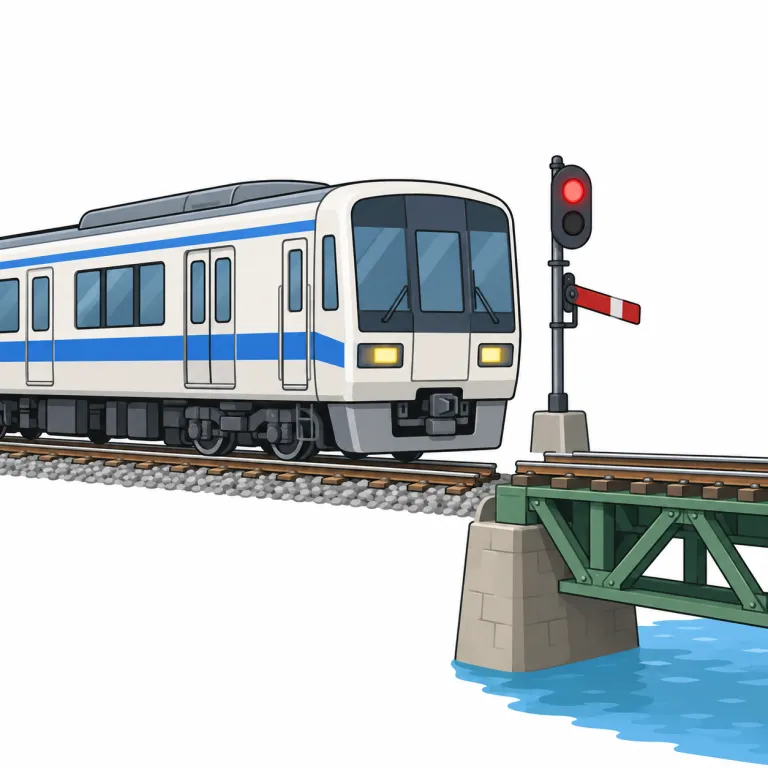
名詞 halt は、動きや作業が止まった状態・局面を指します。a halt, come to a halt, bring ... to a halt の形で、交通・機械・業務などが停止状態に入ることを表します。
A halt is a stop or pause in movement, activity, or progress. It is often used for traffic, work, plans, or growth. The word can suggest either a temporary stop or a sudden one.
覚え方のコツ Memory Tip
名詞では「止める動作」より、止まったあとの一点を名づける語として覚えると区別しやすいです。come to a halt は動きの終着点として停止に至る感じ、bring something to a halt はその状態へ持ち込む感じです。traffic, work, production, machinery のように、継続していた流れが途切れた結果を描くのに向きます。動詞 halt の出来事を、名詞では状態として切り取っています。
`Halt` is a more formal, stronger cousin of `stop`. It often appears in fixed phrases like `come to a halt`, `bring something to a halt`, and `put a halt to`. These collocations help you remember that it is often used for traffic, production, talks, or other ongoing activity that suddenly stops. It sounds more serious and news-like than everyday `stop`.
例文
The bus came to a halt at the traffic light.
バスは信号で停止しました。
Work came to a halt during the holiday.
祝日中は仕事が停止しました。
The machine ground to a halt after the power outage.
停電後、機械は完全に停止しました。
halt の語源・成り立ち Etymology
古いゲルマン語系の「保つ・止める」に由来し、ドイツ語 halten と同根。もとは動いているものをその場にとどめる感覚で、軍隊への停止命令から一般の「停止する」へ広がった。
Halt comes from an old Germanic root meaning "hold" or "stop" and is related to German halten. It first had the sense of keeping something in place, and from military commands to stop, it later spread to the general meaning "stop."
外部辞書で調べる
この単語を英単語クイズで覚えよう