
polar
polar は英検2級・TOEFL 80・IELTS 6.5レベルの英単語で、「極地の、極の;正反対の、極性の」という意味があります。発音記号は /ˈpoʊlɚ/ です。
意味一覧 (2件)
極地の、極の;正反対の
解説 Definition
北極・南極など地球の極に関すること、または二つの立場や性質が完全に反対であることを表す形容詞。「polar bear」「polar region」のような地理的用法と、「polar opposite」のような比喩的用法の両方でよく使われる。
Polar usually means related to the North Pole or South Pole, or to the extremely cold regions around them. It can also mean completely opposite, especially when talking about opinions, ideas, or positions.
覚え方のコツ Memory Tip
まず基準にするのは簡単な語の pole「棒・極」。polar はそこから「極に関する」と広げれば覚えやすいです。地理では polar bear, polar region のように「北極・南極まわりのもの」に付く形容詞。そこから比喩的に、両極に離れて交わらない感じで polar opposite「正反対の」にもつながります。単なる different よりずっと隔たりが大きい語です。文脈が地理か、意見・性格の対立かを見分けると定着します。
Start from pole. Polar first means "related to the poles," so words like polar bear and polar region are easy anchors. Then extend that image to polar opposite: two things at opposite ends, very far apart.
例文
Polar areas are very cold in winter.
極地は冬になるととても寒い。
Their ideas are polar opposites.
彼らの考えは正反対だ。
Scientists study polar ice to understand climate change.
科学者たちは気候変動を理解するために極地の氷を調べている。
えいたんごクイズでの正答率
この語をはじめて出題された 50人 のうち 35人 が正解しました(70%)。
えいたんごクイズの回答から集計した独自データです。1人につき最初に出題されたときの1回だけを数えており、復習や2回目以降の回答、「わからない」と時間切れは含みません。 集計時点は 2026年9月19日 です。
極性の
(意味 2)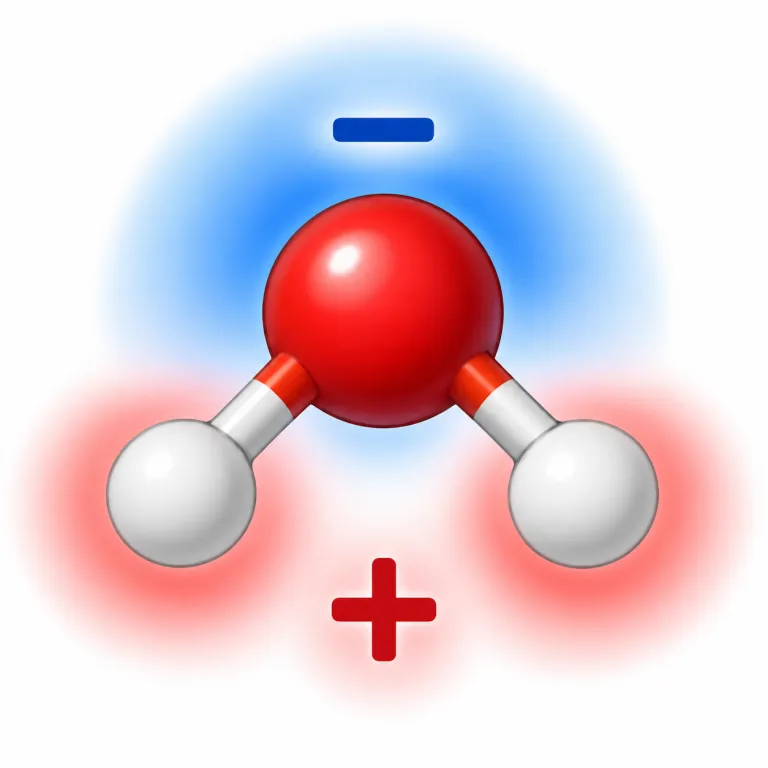
解説 Definition
化学や物理で、分子や結合、物質などが電荷の偏りをもち、正負の極が生じていることを表す語です。水のように他の極性物質と混ざりやすい性質を説明するときによく使われます。
Having an uneven distribution of electrical charge that produces positive and negative regions. In chemistry and physics, it describes molecules, bonds, or substances with this property.
覚え方のコツ Memory Tip
まず基準にするのは pole「極」。polar は化学・物理では、分子や結合の中に正と負の極ができている「極性の」を表します。water is a polar molecule なら、水分子の中で電荷が片寄っているイメージです。polar bear のような北極・南極の意味とは別に、この行では + と - の二つの極を持つ性質として覚えると定着します。nonpolar「無極性の」と対で確認すると区別しやすいです。
Connect polar with pole and picture a plus sign at one end of a molecule and a minus sign at the other. Use polar and nonpolar as a pair to remember whether this separation of charge is present.
例文
Water is a polar molecule.
水は極性のある分子です。
Polar solvents dissolve many ionic compounds well.
極性の溶媒は多くのイオン化合物をよく溶かします。
This bond is more polar than that one.
この結合はあの結合より極性が強いです。
polar の類義語・関連語
polar の語源・成り立ち Etymology
polar は中世ラテン語 polaris「極の」にさかのぼり、さらにラテン語 polus、ギリシャ語 polos「軸・天の回転軸」へ続きます。pol- に形容詞語尾 -ar が付いた形で、pole や Polaris と同根です。だから「地球の軸の先にある極に関する」という意味になりました。
Polar comes from Medieval Latin polaris, meaning "of a pole." That comes from Latin polus and Greek polos, which referred to an axis or the turning point of the sky. In English, the word came to mean "connected with the earth's poles" or with any two opposite ends. It is related to pole and Polaris.
同じレベルの語彙をもっと
英検2級の一覧へ →外部辞書で調べる
この英単語をクイズで覚えよう