pole
pole はTOEIC 730・TOEFL 60・IELTS 5.5レベルの英単語で、「棒、支柱、極、極地」という意味があります。発音記号は /poʊl/ です。
意味一覧 (2件)
棒、支柱
解説 Definition
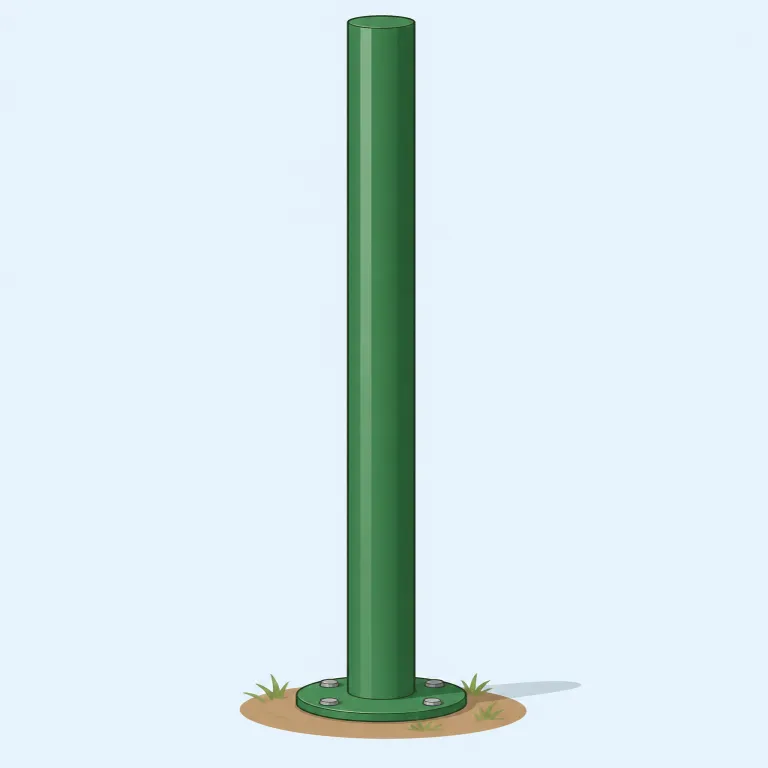
細長くまっすぐ伸びた棒状のものや、何かを支えたり取り付けたりするための柱を指す名詞。木・金属・プラスチックなどでできたものに使え、旗ざお、テントの支柱、測定用の棒など幅広い用途で用いられる。
A pole is a long, usually round piece of wood, metal, or another hard material. It is often used to support something, hold something up, or be carried for practical use. The word can also mean either end of an axis, such as the North Pole or South Pole, but the physical object meaning is very common.
覚え方のコツ Memory Tip
pole は「細長く、まっすぐで、立てて何かを支える棒」とひとまとまりで覚えると定着しやすいです。flagpole, tent pole, utility pole のように、旗を掲げる・テントを支える・電線を支える場面で頻出。stick がただの棒、rod がやや硬い細棒、bar が横木や棒状部分なのに対し、pole は“支柱”感が強めです。頭の中で旗ざおや電柱を立てる絵を作ると意味がぶれません。なお north pole / south pole では「極」の意味にもなるので、文脈で見分けるのがコツです。
Think of a pole as a long upright support, not just any stick. Picture common pairs like a flagpole, tent pole, or utility pole to fix the image. Unlike stick or rod, pole often has a strong "support" feeling.
例文
He used a wooden pole to measure the depth.
彼は木の棒を使って深さを測った。
The tent was held up by four poles.
テントは4本の支柱で支えられていた。
The flag was raised on a tall pole.
旗は高い旗ざおに掲げられた。
えいたんごクイズでの正答率
この語をはじめて出題された 39人 のうち 38人 が正解しました(97%)。
えいたんごクイズの回答から集計した独自データです。1人につき最初に出題されたときの1回だけを数えており、復習や2回目以降の回答、「わからない」と時間切れは含みません。 集計時点は 2026年9月19日 です。
極、極地
(意味 2)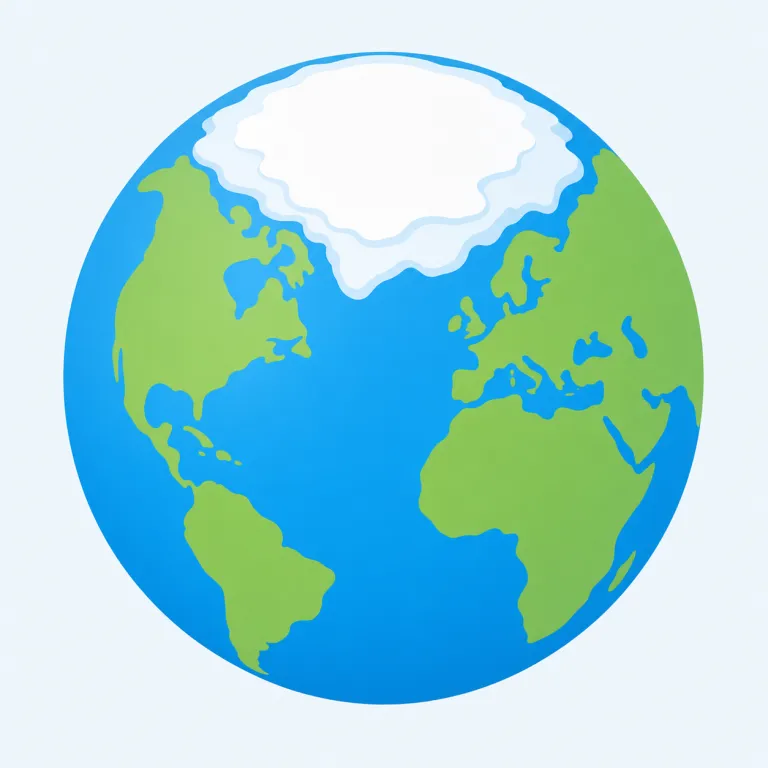
解説 Definition
地球や天体、磁石、電気などで、両端にある端点や特別な位置を指す名詞です。North PoleやSouth Poleのような地理上の「極」のほか、magnetic poleのように力や性質が集まる端を表すときにも使われます。
Either of the two points where the axis of a planet meets its surface, or the region around one of these points. The word also names either of the two opposite magnetic or electrical ends.
覚え方のコツ Memory Tip
pole は North Pole / South Pole / magnetic pole の形で、「軸の端にある特別な点」と覚えると定着しやすいです。地球を一本の軸が貫いていて、その両端が北極・南極になるイメージ。flagpole のような「棒」は別語源の同形語なので、geographic, magnetic, opposite などと一緒に出たら、支柱ではなく「極・極地」と判断するとぶれません。
Imagine an axis passing through the Earth, with the North Pole at one end and the South Pole at the other. Connect magnetic pole with the same image of two opposite ends.
例文
The North Pole is covered with ice.
北極は氷に覆われている。
Two opposite poles attract each other.
反対の極どうしは引き合う。
Scientists studied the magnetic pole of the planet.
科学者たちはその惑星の磁極を調べた。
pole の類義語・関連語
pole の語源・成り立ち Etymology
ラテン語palus(杭・棒)に由来し、古英語pālを経て現代英語に定着。地面に打ち込む長い棒が原義で、旗竿や電柱などに意味が広がった。関連語:palisade(柵=杭を並べた防御壁)、pale(柵で囲った領域→境界)。北極・南極のpoleはギリシャ語polos(軸)由来の別語。
This word comes from Latin "palus," meaning a stake or stick, and passed into Old English as "pāl." Its earliest sense was a long piece of wood set into the ground. From that basic idea, it grew to include things like flagpoles and utility poles. Related English words include "palisade" and "pale," which also come from words about stakes or enclosures.
同じレベルの語彙をもっと
TOEIC 730の一覧へ →外部辞書で調べる
この英単語をクイズで覚えよう