pale
pale はTOEIC 730・TOEFL 60・IELTS 5.5レベルの英単語で、「淡い、青白い、淡い、薄い」という意味があります。発音記号は /peɪl/ です。
意味一覧 (2件)
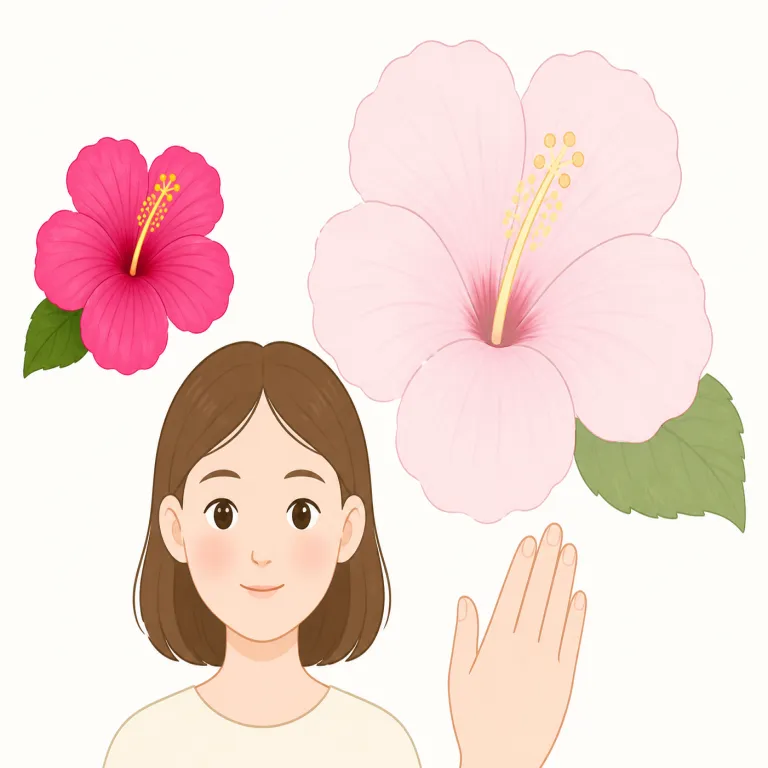
淡い、青白い
解説 Definition
薄い白さや淡い色を表し、彩度が低くぼんやりした印象の色合いを指します。血色が悪く顔色が青白くなるさまにも使われ、驚きや体調不良で顔がさえない状態を示します。冷たく柔らかい光や穏やかな色調を説明するときにも用いられます。
Pale means having a light color or looking less colorful than usual. It is often used for skin, light, or colors. When used about a person, it can suggest illness, tiredness, or fear.
覚え方のコツ Memory Tip
pale は「色が薄い」と「血の気がない」をセットで覚えると定着しやすいです。bright や vivid の反対側にあり、くっきり鮮やかというより、淡く力の抜けた印象を出します。turn pale なら「青ざめる」、a pale face / pale skin なら「青白い顔色・肌」、pale blue / pale light なら「淡い青・淡い光」。似た white は単に白い、faint は“かすかな”なので、pale は色や血色の弱さに注目すると使い分けしやすいです。
Think of `pale` as the opposite of `bright` or `vivid`. It often appears in phrases like `turn pale`, `pale face`, and `pale blue`, so connect it with weak color or weak blood color. That makes it easier to separate from plain `white`.
例文
Her face looks pale today.
今日、彼女の顔は青白く見える。
He feels sick and looks pale.
彼は気分が悪く、顔が青ざめています。
My sister looks pale this morning.
今朝、妹は青白く見える。
えいたんごクイズでの正答率
この語をはじめて出題された 30人 のうち 27人 が正解しました(90%)。
えいたんごクイズの回答から集計した独自データです。1人につき最初に出題されたときの1回だけを数えており、復習や2回目以降の回答、「わからない」と時間切れは含みません。 集計時点は 2026年9月19日 です。
淡い、薄い
(意味 2)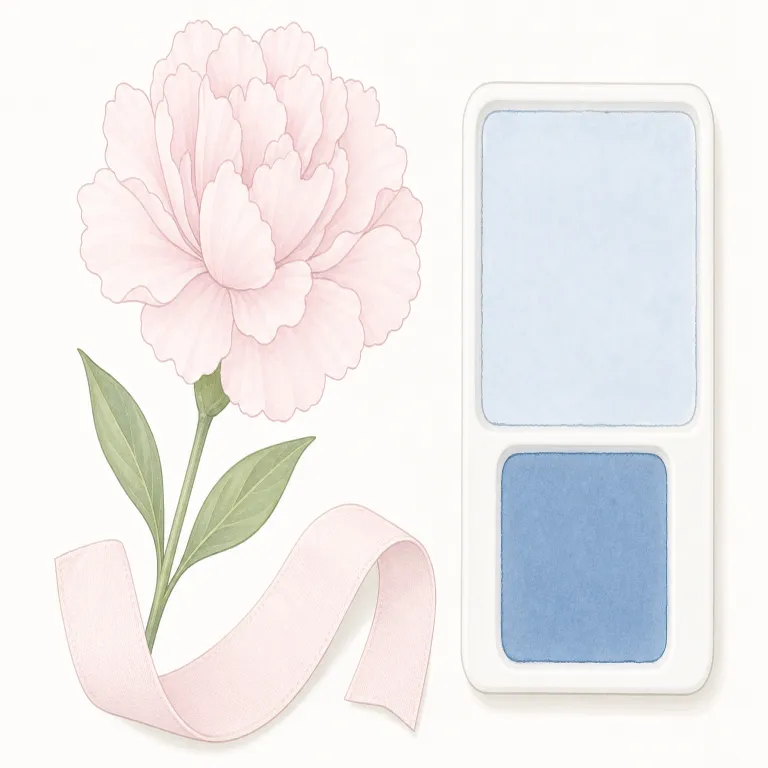
解説 Definition
色が強く出ておらず、白っぽく弱く見える様子を表します。花や服、光、空の色などについて使われ、鮮やかではないやさしい色合いを述べるときに自然です。顔色の「青白い」とは別の、色そのものの薄さの意味です。
Light in color, with little intensity and often a whitish appearance. It describes soft shades in things such as flowers, clothing, light, or the sky.
例文
She wore a pale pink dress.
彼女は淡いピンクのドレスを着ていた。
Dad painted the walls pale blue.
父は壁を薄い青色に塗った。
A pale light spread across the morning sky.
淡い光が朝の空に広がった。
pale の類義語・関連語
pale の語源・成り立ち Etymology
pale は古フランス語 paile を経て、ラテン語 pallidus「青白い」から来ました。語根 pall- は「血の気が引く」感覚を含むため、色が薄いことにも顔色が悪いことにも使われ、関連語に pallid・pallor があります。
Pale came into English through Old French from Latin pallidus, meaning "pale" or "wan." The root suggests the loss of color, especially in a face. From this, the word came to describe both light weak color and the look of someone with little color in their skin; pallid and pallor are related.
同じレベルの語彙をもっと
TOEIC 730の一覧へ →外部辞書で調べる
この英単語をクイズで覚えよう