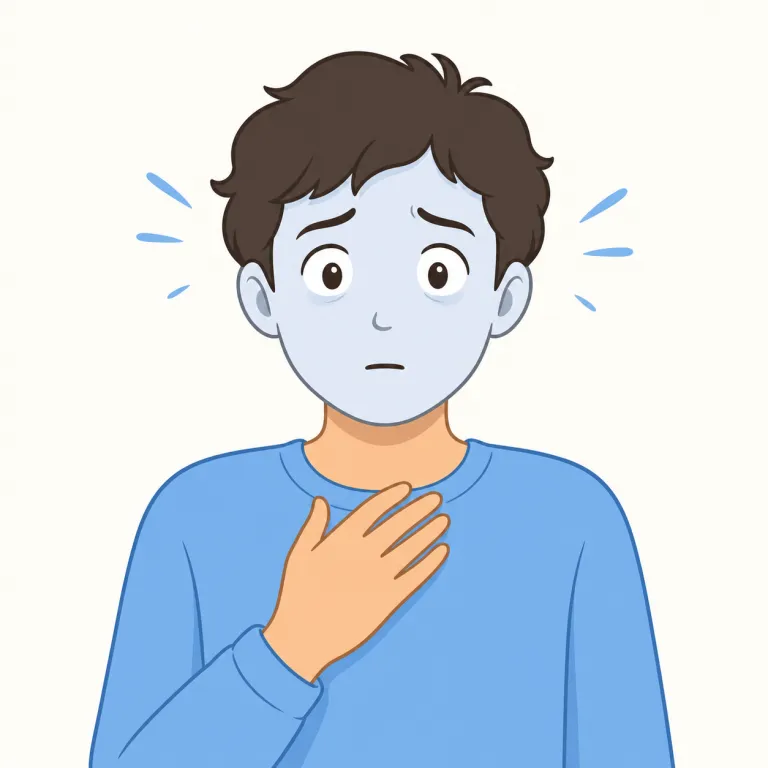
turn pale
turn pale は英検準1級レベルの英熟語で、「青ざめる」という意味があります。発音記号は /tɜrn peɪl/ です。
青ざめる
解説 Definition
驚きや恐怖、体調の急変で顔色が蒼白になることを表す。血の気が引いて肌が白っぽくなる描写に使い、健康状態や心理の変化を強調する。
Turn pale means to lose color in your face, usually because of fear, shock, illness, or worry. It describes a sudden visible reaction in someone's appearance. The phrase is common in storytelling and everyday description.
覚え方のコツ Memory Tip
turn は「回る」だけでなく「〜の状態になる」。turn red, turn green, turn cold と同じ変化の型で見れば、turn pale は「顔色が青白くなる」。pale は pale blue のように「色が薄い」という基本感覚があり、そこから「血の気がない」へ広がる。驚き・恐怖・ショックで suddenly turn pale、病気や気分の悪さでも使える。blush や turn red が「赤くなる」側なら、その反対に置くと覚えやすい。
Use the pattern `turn + color/state`, like `turn red` or `turn cold`. Then `turn pale` becomes easy: someone's face changes to a pale color. It helps to remember it as the opposite of `turn red` or `blush`.
例文
She turned pale when she heard the news about the accident.
彼女はその事故の知らせを聞いて青ざめた。
The patient turned pale after standing up too quickly.
その患者は急に立ち上がったあとで青ざめた。
People may turn pale when they see something frightening.
人は恐ろしいものを見ると青ざめることがある。
turn pale の類義語・関連語
類義語
対義語
turn pale の語源・成り立ち Etymology
paleはラテン語pallidus(青白い)から古フランス語paleを経て英語に入った。語根はラテン語pallēre(青白くなる)で、pallor(蒼白)やappall(ぞっとさせる=顔を青ざめさせる)と同根。turnは「状態が変わる」意味で、顔色が失われる様子を表す慣用表現。
"Pale" came into English through Old French from Latin "pallidus," meaning pale or yellowish, from the verb "pallere," to grow pale. In "turn pale," "turn" means change into a new state. The phrase therefore means to become pale in the face, especially from fear, shock, or illness. Related words include "pallor" and "appall."
同じレベルの語彙をもっと
英検準1級の一覧へ →外部辞書で調べる
この英熟語をクイズで覚えよう