意味一覧 (3件)
暗い雰囲気
解説 Definition
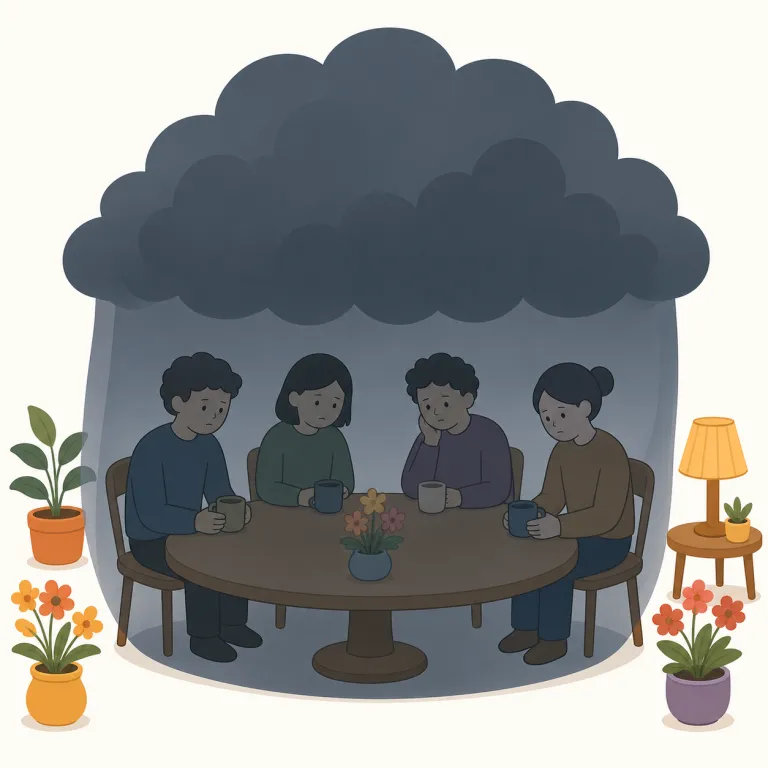
pallは重苦しく陰鬱な雰囲気や空気を指します。悲しみや恐怖が広がり場の明るさが失われる際の空気感を表す言葉です。また、棺を覆う黒い布という意味もあります。
A pall is a sad, heavy, or unpleasant feeling that seems to spread over a place, event, or situation. It is often used when something ruins a positive mood. This word is common in formal or literary English.
覚え方のコツ Memory Tip
pall は『何かが上からかぶさって、その場全体の空気を暗く鈍くする』場面で覚えると残りやすい。a pall of fear/smoke/silence, cast a pall over the meeting/town のように、事故・死・不安のあとに広がる重苦しさでよく出ます。単なる bad mood や sadness より、個人ではなく場全体を覆う感じが強い語です。
Think of a heavy dark cover falling over a place. `Pall` often appears in phrases like `a pall of silence` or `cast a pall over`, so it feels like a gloomy layer spreading across the whole mood. That helps you remember it is about an atmosphere, not just one person’s feeling.
例文
A pall of gloom settled over the community after the tragedy.
その悲劇の後、地域全体が陰鬱な空気に包まれました。
The dark clouds cast a pall over the celebration.
暗い雲が祝賀行事に暗い影を落としました。
News of the disaster cast a pall over the festive atmosphere.
災害の知らせが祝祭の雰囲気に重苦しい影を落としました。
つまらなくなる
(意味 2)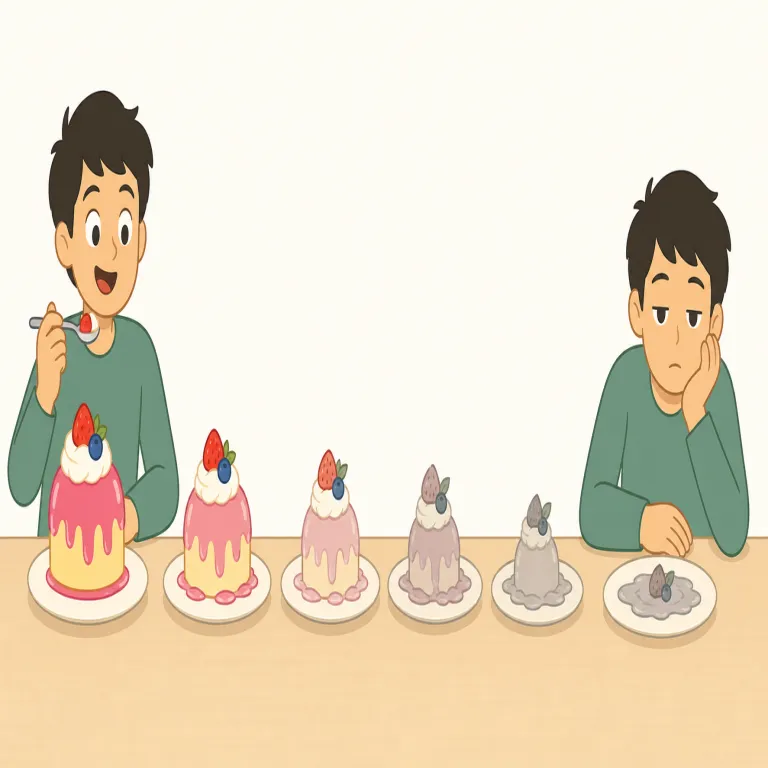
解説 Definition
時間が経つにつれて興味深さや魅力が失われ、つまらなく感じるようになることを意味する。最初は楽しかったものが退屈になり、その新鮮さが失われる状態を表す。
Pall means to become less enjoyable, less interesting, or less exciting after a time. It is often used when something that was pleasant at first starts to feel dull or tiring. This verb is fairly formal and is common in written English.
覚え方のコツ Memory Tip
pall は「最初はよかったのに、時間がたつと面白みが抜ける」とセットで覚えると残りやすい。瞬間的に bored になるというより、novelty wears off に近い“新鮮味が消える”感覚。よく begin to pall, the joke palls, repeated use palls のように、同じ刺激の反復で魅力がしぼむ場面で使う。tire が人の側の飽きなら、pall は対象の面白さが色あせる感じ。appall とつづりが近いが意味は別。
Remember pall as what happens when something is interesting at first, but loses its freshness over time. It often appears with repeated jokes, habits, or pleasures: they begin to pall. Do not mix it up with appall, which is a different word.
例文
After a few months, the excitement began to pall.
数か月後、その興奮は薄れ始めた。
His jokes started to pall on the audience.
彼の冗談は観客に飽きられ始めた。
The novelty will pall once you get used to it.
慣れてしまえば、その新鮮味は薄れるだろう。
棺衣
(意味 3)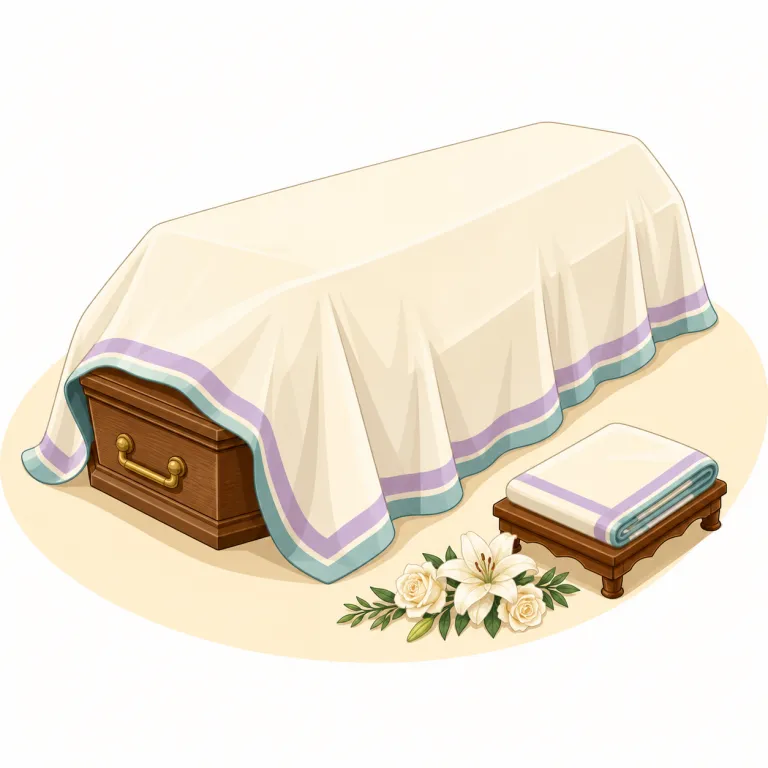
解説 Definition
棺衣は、葬儀で棺の上に掛けられる布です。色は黒とは限らず、故人への敬意や喪を表すために用いられます。
A pall is a cloth placed over a coffin or sometimes over a dead body during a funeral. It is a formal word used mainly in religious, ceremonial, or funeral contexts.
覚え方のコツ Memory Tip
pall はまず「何かの上に静かにかぶせる布」の絵で覚えると定着しやすい語です。具体的には funeral の場面で coffin を覆う黒い布、つまり棺衣。抽象的な用法の「a pall hangs over ...(重苦しい空気が漂う)」も、布が場を暗く覆う感覚でつながります。pallor / pallid を見たら、どれも“明るさ・生気が失われる側”の仲間だとまとめると記憶が安定します。
Remember `pall` with funeral words like `coffin`, `casket`, `mourning`, and `church`. It is not just any cloth, but a formal, ceremonial one used in that setting. The sound and context both feel dark and solemn, which helps fix it in memory.
例文
The black pall covered the coffin during the funeral.
葬儀の間、棺には黒い棺衣が掛けられていました。
A white pall was draped over the casket.
白い棺衣が棺の上にかけられました。
The pall symbolized respect and mourning.
棺衣は敬意と哀悼の意を象徴していました。
pall の類義語・関連語
類義語
紛らわしい語
pall の語源・成り立ち Etymology
pall はもともとラテン語 pallium「外套・布」に由来し、英語では棺を覆う葬送布を指しました。そこから「場を覆って暗くするもの」という比喩が生まれ、今の「重苦しい雰囲気」の意味になりました。pallbearer も同じ語源です。
Pall came from Latin `pallium`, meaning a cloak or covering cloth. In English it first meant a cloth spread over a coffin. From that image of something covering a funeral scene, it later developed the figurative sense of a dark, heavy mood hanging over a place; `pallbearer` comes from the same root.
同じレベルの語彙をもっと
外部辞書で調べる
この英単語をクイズで覚えよう