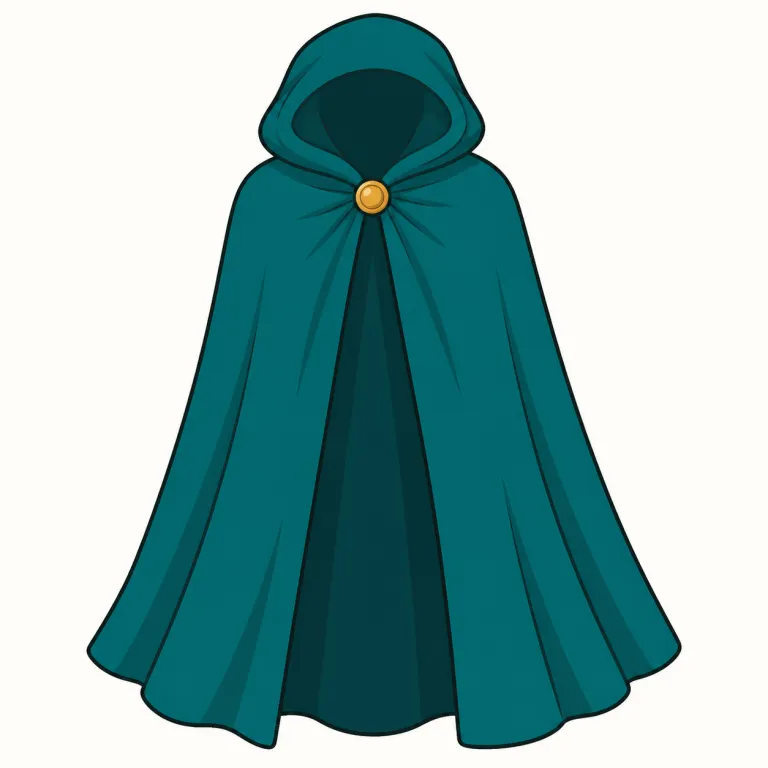
cloak
cloak はTOEIC 990・TOEFL 100・IELTS 7.5レベルの英単語で、「マント、覆い隠す、隠れみの」という意味があります。発音記号は /kloʊk/ です。
意味一覧 (2件)
マント
解説 Definition
体を覆う長い布製の衣服です。マントは通常肩からかかり、儀式的な場面で使われます。
A cloak is a loose outer piece of clothing that hangs from the shoulders and covers the body. It is often associated with historical clothing, stories, or formal dramatic style rather than modern everyday wear. The word can also suggest something that hides or covers, especially in literary use.
覚え方のコツ Memory Tip
cloak は coat に近い「外にまとうもの」だが、袖に腕を通す coat/jacket ではなく、肩から全体を覆う布だと区別すると覚えやすい。さらに名詞だけでなく「覆い隠す」という動詞にもなり、a cloak of secrecy, cloak the truth のように「何かを包んで見えなくする」感覚が共通する。日常着の coat より古風で、儀式・物語・ファンタジーの場面に出るマントだと結びつけると定着しやすい。
Think of `cloak` as something that covers you from the outside, more like a storybook or fantasy garment than an everyday coat. The same covering idea appears in phrases like `a cloak of secrecy` or `cloak the truth`. That shared image of hiding under a cover makes the word easier to keep.
例文
The king wore a red cloak for the ceremony.
その王は式典のために赤いマントを着ていた。
She draped her shoulders with a silk cloak.
彼女は肩に絹のマントをかけた。
The superhero wore a blue cloak.
そのスーパーヒーローは青いマントを着ていた。
覆い隠す
/ noun 名詞 隠れみの (意味 2)

解説 Definition
何かを別のものの陰に置いて、見えにくくしたり気づかれないようにしたりすることを表す。文字どおり布や霧で覆う場合にも、意図・感情・活動を秘密や曖昧な説明で隠す比喩的用法にもよく使う。ニュース記事やビジネス文書では、真実をぼかす響きをもつことが多い。
To cover something so that it is hidden or difficult to notice. It can describe fog hiding a landscape or an appearance or explanation hiding someone's feelings, intentions, or activities.
例文
Fog cloaked the mountains by dawn.
夜明けには霧が山々を覆い隠していた。
He tried to cloak his anger with a polite smile.
彼は愛想のよい笑顔で怒りを覆い隠そうとした。
They cloaked the true plan with a simple story.
彼らは簡単な話で本当の計画を覆い隠した。
cloak の類義語・関連語
cloak の語源・成り立ち Etymology
cloak は古北フランス語 cloque「鐘形の外套」を経て、中世ラテン語 clocca「鐘」にさかのぼります。cloche や clock も同系とされ、体をすっぽり覆う丸い形が鐘を思わせるので、「覆い隠すマント」という意味が自然につながります。
Cloak came through Old North French cloque, which referred to a bell-shaped outer garment. It is linked to Medieval Latin clocca, meaning "bell," probably because of the rounded shape of the garment. That image of something wide and covering helped the word develop the sense of a covering garment that hides or wraps the body. It is related in origin to words such as cloche and possibly clock.
同じレベルの語彙をもっと
TOEIC 990の一覧へ →外部辞書で調べる
この英単語をクイズで覚えよう