wan
wan は英検2級レベルの英単語で、「青白い、弱々しい」という意味があります。発音記号は /ˈwɑːn/ です。
意味一覧 (2件)
青白い
解説 Definition
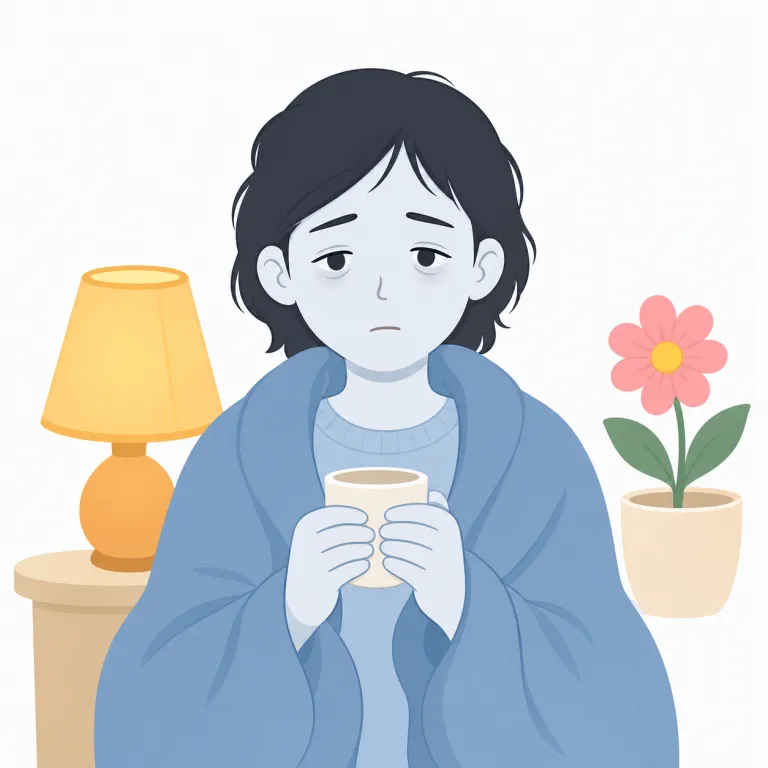
蒼白い、青ざめた色をしている状態を表します。健康状態が悪いときや、怖いときに顔が青白くなることがあります。
If someone looks wan, they appear pale and slightly weak or tired, often because of illness, worry, or lack of energy. It is usually used to describe a person’s face or expression. The word often suggests an unhealthy or drained appearance.
覚え方のコツ Memory Tip
wan は単なる薄い色ではなく、病気・疲労・恐怖などで「生気を失って青白い」様子を表す語と覚えると定着しやすいです。長い病気のあと、頬から血の気が引き、弱々しく見える顔を思い浮かべましょう。pale は色が薄いことを広く表せますが、wan は人の顔なら不健康さや疲れを強く感じさせます。look wan after an illness「病後で青白く見える」、a wan face「生気のない青白い顔」が基本です。また a wan light of dawn のように光にも使い、夜明けの弱く青白い光を想像すると、語の「色も力も乏しい」という感覚をつかみやすくなります。
Start from `pale`, then make it one step weaker and less healthy. `Wan` is often used for a face or smile, like `a wan face` or `a wan smile`, so picture someone with color drained by illness, tiredness, or fear. `Pale` can be neutral, but `wan` usually feels more lifeless.
例文
The patient's face was wan and pale.
患者の顔は血の気がなく、青白く見えました。
He looked wan after the long illness.
長い闘病の後、彼は青白い顔をしていました。
The wan light of dawn filtered through the window.
夜明けの青白い光が窓から漏れてきました。
弱々しい
(意味 2)
解説 Definition
wan は、顔色・表情・笑顔などに生気がなく、弱々しく見える様子を表す形容詞です。病気や疲れのために青白く見える意味でも使われ、そこから元気のない笑みや声にも広がります。色の薄さだけでなく、活力のなさを感じさせる語です。
Looking weak and lacking energy, often with a pale face because of illness or tiredness. It can also describe a smile or expression that shows little strength or liveliness.
覚え方のコツ Memory Tip
まず pale を基準に置くと覚えやすい。wan も「青白い」だが、ただ色が薄いだけでなく、病気・疲労・恐怖で生気が抜けた感じが強い。人の顔色や表情に出やすく、a wan face, a wan smile のように使われる。元気なら rosy、単に白っぽいなら pale、そこからさらに血の気が引いた不健康さまで含むのが wan、と並べると定着しやすい。
Start with pale, then add the impression of illness or exhaustion. Picture a tired person with a wan face giving a wan smile: the important feature is the lack of energy, not just the color.
例文
She gave me a wan smile after the long meeting.
長い会議のあと、彼女は弱々しい笑みを私に向けた。
His face looked wan and tired on the call.
通話中の彼の顔は生気がなく、疲れているようだった。
The child looked wan after being sick for several days.
その子は数日間病気だったあとで、弱々しい様子に見えた。
wan の類義語・関連語
対義語
紛らわしい語
wan の語源・成り立ち Etymology
wan は古英語 wann「青黒い・生気のない」にさかのぼる古いゲルマン系の語です。はっきりした接頭辞や接尾辞はなく、wanly や wanness が同じ語幹を保っています。もとは「色がくすんだ」が核なので、顔色の悪い「青白さ」に意味が絞られたとわかります。
"Wan" comes from Old English "wann," an old Germanic word meaning dark, dusky, or lacking healthy color. Over time, the idea narrowed from a generally dull or dark look to the pale, weak appearance of a person's face. Related forms like "wanly" and "wanness" keep the same old root.
同じレベルの語彙をもっと
英検2級の一覧へ →外部辞書で調べる
この英単語をクイズで覚えよう