principle
principle は英検準2級・TOEIC 730・TOEFL 60・IELTS 5.5レベルの英単語で、「原則、信条、原理」という意味があります。発音記号は /ˈprɪnsəpəl/ です。
意味一覧 (3件)
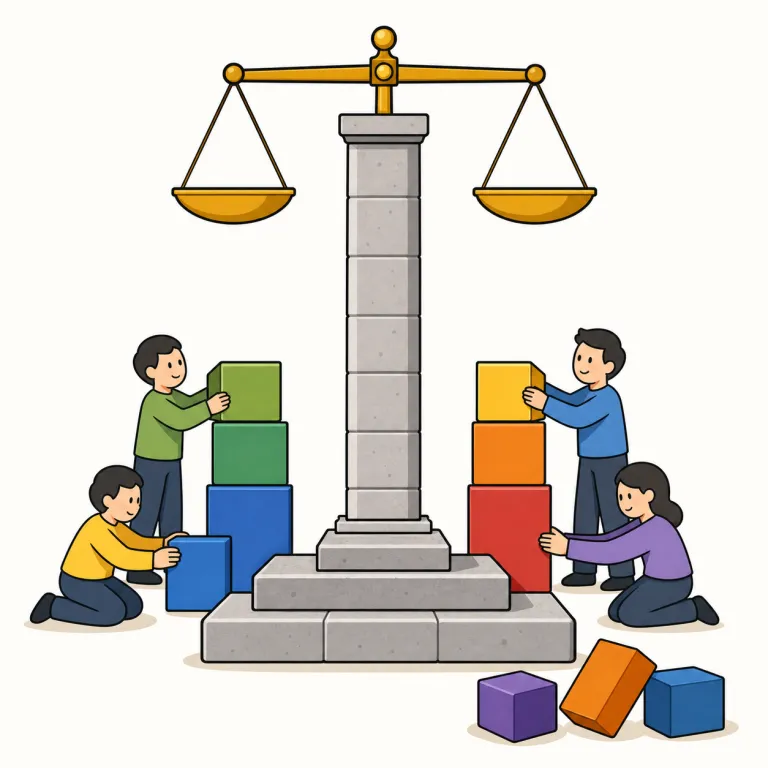
原則
解説 Definition
何かの基本となる重要なルールや考え方です。物事を判断したり、行動したりするときの基本的な方針を表します。
A principle is a basic rule, belief, or idea that guides how someone thinks or acts. It is often used when talking about morals, behavior, law, or science. A principle is usually something important and general, not a small detail.
覚え方のコツ Memory Tip
principle は『判断や行動のいちばん土台にあるルール・考え方』として覚えると定着しやすいです。細かな規則というより、迷ったときに立ち返る基本方針の語。in principle(原則として)、stick to one's principles(信念・主義を貫く)などの形でよく出ます。似たつづりの principal は『主な・校長』で人や立場にも使えますが、principle はあくまで“中身の原則”です。-ple が idea/rule 側、とセットで見分けると混同しにくくなります。
Link it to the word family around `principal/principle`, but keep one clear rule: `principle` is the idea, not the person. Think of it as a basic rule you return to when you decide something. Common phrases like `in principle` and `stick to your principles` help fix that pattern.
例文
This principle is simple and fair.
この原則は簡単で公平です。
Our principle is to be kind.
私たちの原則は親切であることです。
A good principle helps us choose.
よい原則は、選択するときの助けになります。
えいたんごクイズでの正答率
この語をはじめて出題された 42人 のうち 36人 が正解しました(86%)。
えいたんごクイズの回答から集計した独自データです。1人につき最初に出題されたときの1回だけを数えており、復習や2回目以降の回答、「わからない」と時間切れは含みません。 集計時点は 2026年9月19日 です。
信条
(意味 2)
解説 Definition
人が行動や判断のよりどころとして大切にしている考えや価値観を指す語。道徳・政治・仕事観などについて、自分が正しいと信じて守ろうとする立場を表し、単なる好みより強い信念を含むことが多い。個人の内面的な姿勢を述べるときによく使う。
A deeply held belief about what is right that guides a person's actions and decisions. It often concerns moral, political, or professional values and is stronger than a simple preference.
例文
Honesty is one of her core principles.
正直であることは彼女の中心的な信条の一つだ。
He always lives by his principles.
彼はいつも自分の信条に従って生きている。
She opposed the decision on principle.
彼女は信条に基づいてその決定に反対した。
原理
(意味 3)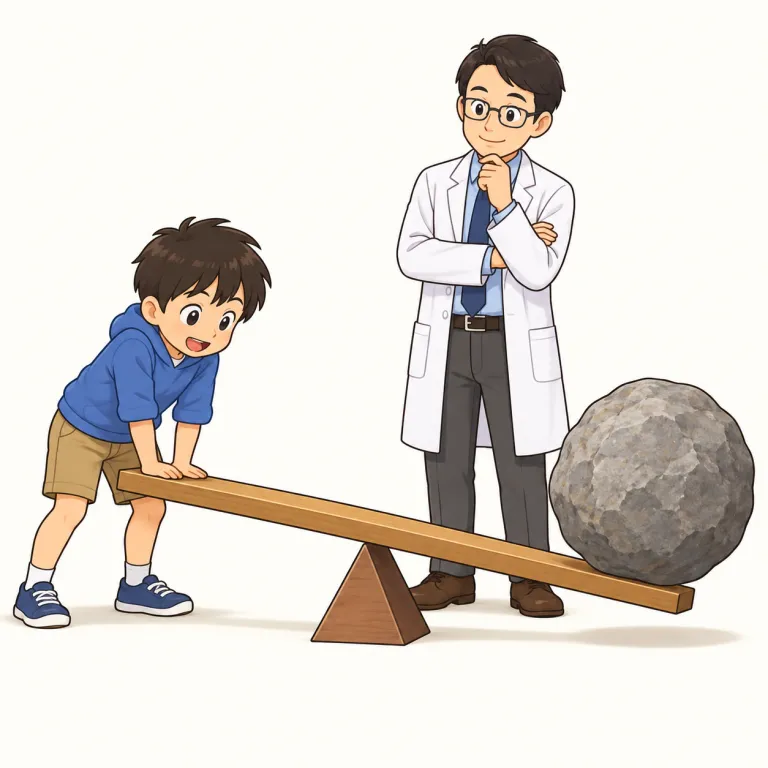
解説 Definition
物事や現象が成り立つ根本的な仕組みや法則を指す語。科学・哲学・技術などで、なぜそうなるのかを説明する土台として使われ、個別のルールや手順ではなく、それらを支える基本的な考え方や成り立ちを表す。学術的で説明的な文脈に特によく現れる。
A fundamental law or idea that explains how something works or why something happens. It provides a basis for understanding phenomena and methods, especially in science, philosophy, and technology.
覚え方のコツ Memory Tip
principle は「多くの現象や方法を下から支える基本の仕組み」と覚えると定着しやすいです。principal(主要な)とつづりが似ていますが、原理・原則の名詞は語尾が -ple の principle。the principle behind the experiment のように behind と組み、「実験の背後で働く原理」と捉えます。rule が守るべき個別の決まりを指すのに対し、principle はなぜ機械が動くのか、なぜ現象が起こるのかを説明する土台。work on a principle も頻出です。
Picture a basic explanation supporting many experiments or machines from underneath. Learn the phrase the principle behind the experiment to connect the word with why something works. The noun ends in -ple, unlike principal, meaning "main."
例文
The machine works on a simple principle.
その機械は単純な原理で動く。
Students learned the basic principle behind the experiment.
学生たちはその実験の背後にある基本原理を学んだ。
This simple principle makes the toy move.
この単純な原理でおもちゃが動く。
principle の類義語・関連語
principle の語源・成り立ち Etymology
principle は古フランス語 principe を経て、ラテン語 principium「始まり・基礎」に由来します。primi-(第一の)と capere(取る)にさかのぼり、「最初に置くもの」から「原則」の意に。関連語は principal, prince。
Principle came into English through Old French from Latin principium, meaning "beginning" or "foundation." It goes back to primi- meaning "first" and capere meaning "to take," so the basic idea was something placed first. From "starting point" or "base," it developed into the sense of a basic rule or guiding idea. Related English words include principal and prince.
同じレベルの語彙をもっと
英検準2級の一覧へ →外部辞書で調べる
この英単語をクイズで覚えよう