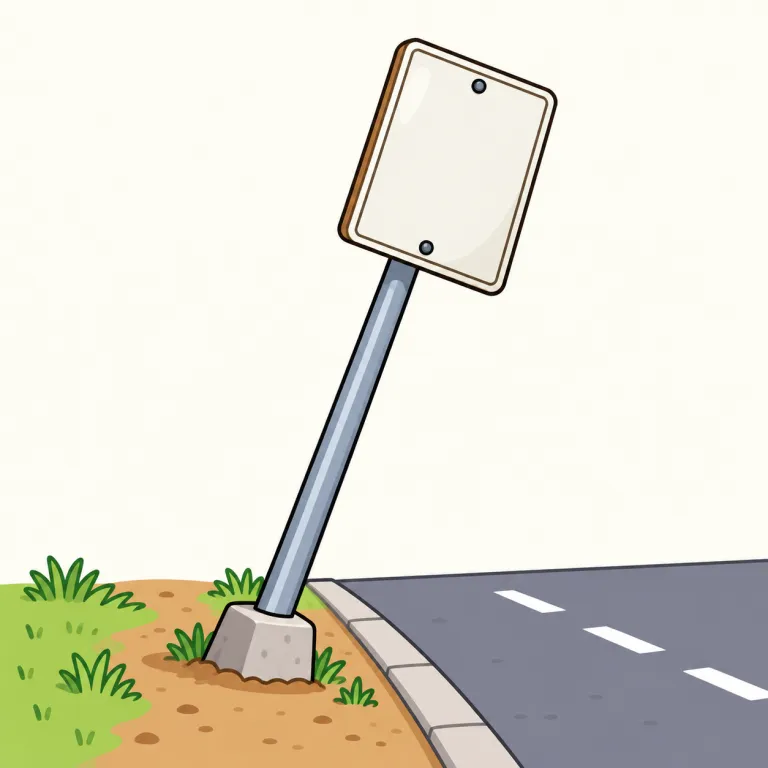
傾いている
解説 Definition
tilting は tilt(傾く、傾ける)の現在分詞です。物が斜めになっている状態や、何かを少し傾けている動作を表します。
The present participle of tilt, describing an object becoming or remaining slanted rather than upright or level, or someone causing it to move into such a position.
覚え方のコツ Memory Tip
原形 tilt「傾く・傾ける」に -ing を付けた現在分詞で、語末の t は重ねず tilting とします。発音は tilt /tɪlt/ に /ɪŋ/ が続く形です。看板・絵・船などがまっすぐな位置から斜めになる場面を思い浮かべ、be tilting toward ...「…の方へ傾いている」や tilt slightly「少し傾く」と結び付けましょう。
Tilting is the -ing form of tilt, meaning “to become slanted” or “to make something slanted.” Simply add -ing; the final t is not doubled, so the spelling is tilting, and the pronunciation adds /ɪŋ/ to /tɪlt/. Visualize an old sign leaning toward the street, a picture slipping out of level, or a boat moving to one side in strong wind. Common patterns are be tilting toward something and be tilting to one side. Unlike falling, tilting describes a change in angle and does not necessarily mean that the object comes down.
例文
The old sign is tilting toward the street.
古い看板が通りのほうへ傾いています。
She noticed the picture tilting slightly on the wall.
彼女は壁の絵が少し傾いていることに気づきました。
The boat was tilting as the wind grew stronger.
風が強くなるにつれて、船は傾いていました。
tilting の類義語・関連語
tilting の語源・成り立ち Etymology
tiltingは動詞tiltに状態・進行を示す接尾辞-ingを付け足した形です。語源は中英語tilten、さらには古ノルド語tilta(よろめく)が有力とされます。足下が不安定にぐらつく様子から「斜めになる」意味が直感的に定着し、同語根にtilter(傾斜装置)があります。
Tilting is formed from the verb tilt plus the present-participle suffix -ing. The verb appeared in Middle English as tilten and is commonly connected with an Old Norse word associated with tottering or falling over. Its senses developed to include moving or placing something at an angle. In modern English, tilting can mark an ongoing action or function as a participial modifier describing angled movement or position.
同じレベルの語彙をもっと
外部辞書で調べる
この英単語をクイズで覚えよう