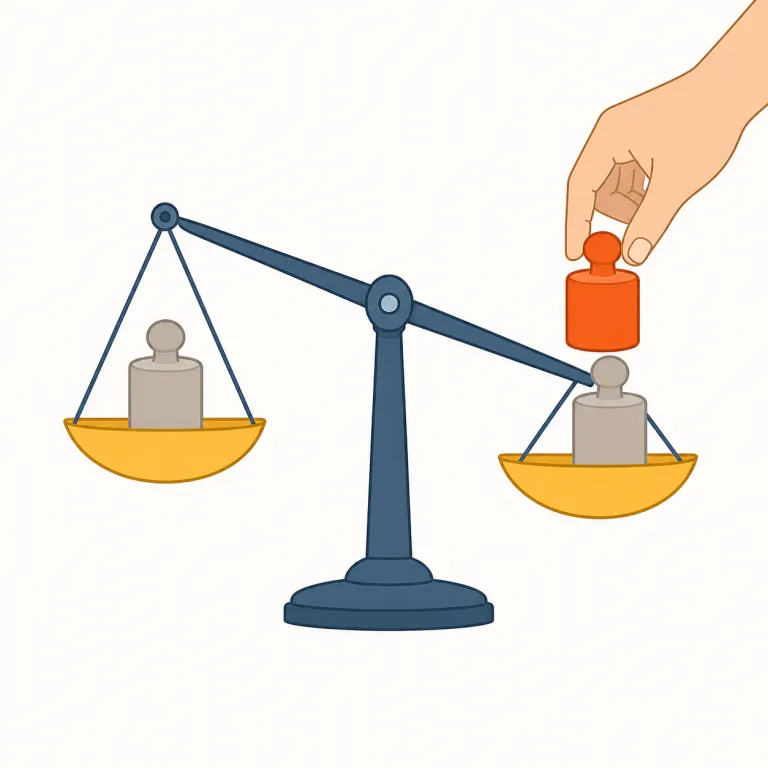
バイアスをかける
解説 Definition
何かに偏り、傾き、または先入観を導入する行為。電気工学では素子に特定の電圧を加え、信号処理では測定を歪ませること。
Biasing means influencing something so that it leans in one direction instead of staying fair or neutral. It is often used when talking about opinions, decisions, research, or data. The word suggests that the result may become unfair or less accurate.
覚え方のコツ Memory Tip
biasing はまず基語 bias を確実に押さえると覚えやすいです。neutral が「中立」なのに対し、bias は判断や結果を一方に傾ける感じ。bias the results, media bias のように「公平さを崩して偏らせる」場面でよく出ます。工学では bias voltage のように「回路に一定の偏りを与える」意味でも使うので、共通イメージは「まっすぐではなく、ある方向へ寄せる」。interesting などの -ing と同じく、biasing は「今まさに偏らせている作用」と見ると定着します。
In electronics, connect it with "bias voltage" and "bias current." "Biasing" is the step of giving a device its starting condition before normal signal work happens. Think of it as setting the operating point first, then the circuit can behave properly.
例文
The researcher is concerned about biasing the survey results through leading questions.
研究者は誘導的な質問を通じて調査結果にバイアスをかけることを懸念している。
In electronics, biasing a transistor establishes its operating point.
電子工学では、トランジスタにバイアスをかけることで動作点を確立する。
The experimenter must avoid biasing the data collection process with personal expectations.
実験者は個人的な期待でデータ収集プロセスにバイアスをかけるのを避ける必要がある。
biasing の類義語・関連語
類義語
派生語
biasing の語源・成り立ち Etymology
biasing の bias は古フランス語 biais「斜め、傾き」にさかのぼる。もとは「まっすぐでなく横にそれる」ことで、そこから判断や電圧に一定の偏りを与える意味へ広がった。biased や cross-bias も同系で、核は「傾ける」感覚。
Biasing comes from `bias`, which goes back to Old French `biais`, meaning "slant" or "slope." The basic image is of something leaning away from a straight line. From that physical sense, English developed the idea of giving judgment, action, or even voltage a fixed direction or tendency.
同じレベルの語彙をもっと
外部辞書で調べる
この英単語をクイズで覚えよう