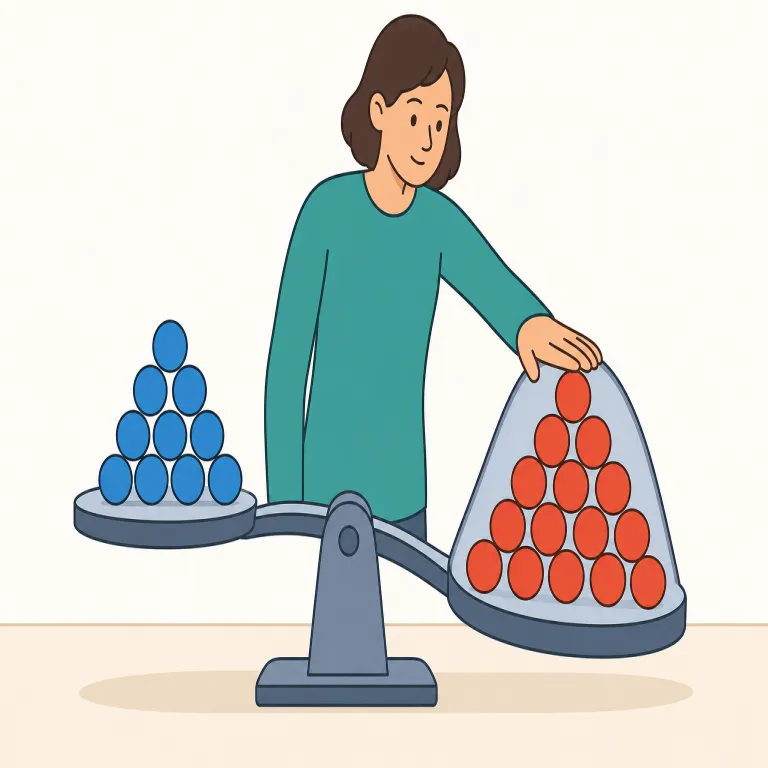
斜めにする、向きをそらす
verb 動詞物体・画像・進行方向などを、本来の直線や正しい位置に対して斜めに傾けたり、横へそれさせたりすること。統計や意見を比喩的に偏らせる既存語義と異なり、実際の角度や位置のずれを表す。
データや結果を一方向に偏らせること。歪みを生じさせること。
Skewing means causing something to become uneven, unbalanced, or misleading. It is often used when data, results, or opinions are being pushed in one direction so they do not give a fair picture.
skewing は skew「斜めにする・傾ける」の進行形。askew(斜めに)や skewed(ゆがんだ)と同じ仲間として覚えると、「まっすぐではない」が核になります。そこから data, results, statistics などを skew すると、「数字や結果が片方へ傾いて、公平な形からずれる」と取りやすいです。bias と近いものの、skew は特に“分布や見え方がゆがむ”感じが強い語。skewing the results, skewing public opinion の形で使用場面ごと覚えると定着しやすいです。
Connect `skewing` with `askew` or `skewed`, which both suggest something off to one side instead of straight. So when data or results are `skewing`, they are being pulled away from a fair, balanced shape. `Skewing the results` is a useful phrase to remember.
The biased sample was skewing the results of the entire survey.
偏ったサンプルが調査全体の結果を歪めていた。
Social media algorithms risk skewing public opinion by promoting extreme content.
SNSのアルゴリズムは、過激なコンテンツを優先的に表示することで世論を歪めるおそれがある。
A few unusually high scores were skewing the class average upwards.
いくつかの非常に高い点数が、クラスの平均点を押し上げていた。
文脈によって、次の意味でも使われます。
物体・画像・進行方向などを、本来の直線や正しい位置に対して斜めに傾けたり、横へそれさせたりすること。統計や意見を比喩的に偏らせる既存語義と異なり、実際の角度や位置のずれを表す。
skew は古ノルド語系にさかのぼり、もともと「斜め・曲がった」感じをもつ語です。明確な接頭辞はなく語幹 skew が核で、askew や skewed にも同じ傾きの感覚が残ります。まっすぐ外れる発想から、「ゆがめる」「偏らせる」に広がりました。
Skew comes from a Scandinavian source, probably Old Norse, and originally carried the idea of something slanting or turning aside. From that physical sense of being crooked or off-line, it later developed the figurative meaning of distorting or biasing something. Related forms like askew and skewed keep the same image of not being straight.
この英単語をクイズで覚えよう