統計的偏りのある
adjective 形容詞統計で、標本や推定方法が母集団の性質を系統的に正しく反映しないことを表します。人や報道の不公平さではなく、抽出方法などによって結果が一定方向へずれる状態を指します。
特定の人や考えを不公平に支持し、客観性を欠いている状態を表す。判断や報道によく使う。
A judgment, report, or person described this way unfairly favors a particular person, group, or idea. This preference prevents fair and objective treatment of the subject.
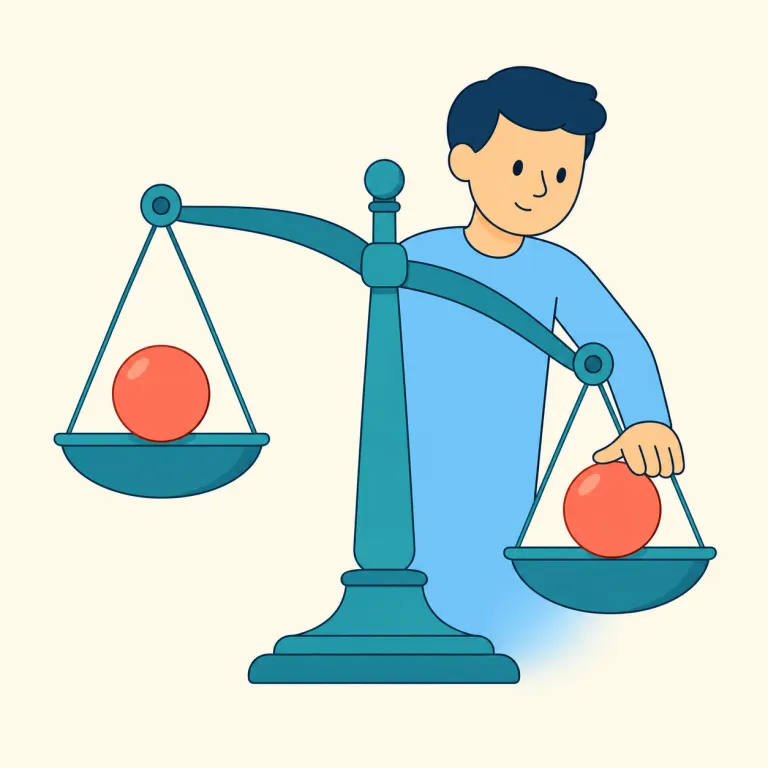
biased は bias「偏り」に -ed が付き、「判断が一方へ傾けられた状態」と押さえると覚えやすいです。単に strong opinion「強い意見」があるのではなく、特定の人や立場を不公平に支持して客観性を欠くことが核心です。be biased against A は「Aに不利に偏る」、be biased in favor of A は「Aに有利に偏る」という対の形で覚えましょう。天びんの片側だけに重りが載った絵を、biased report、biased source、biased decision と結び付けると定着します。
Connect bias plus -ed with a judgment tilted toward one side, like scales with a weight on only one pan. Learn biased against for an unfairly negative attitude and biased in favor of for unfair support.
The report seems biased against small businesses.
その報告書には中小企業に不利な偏りがあるようだ。
We need information from a less biased source.
もっと偏りの少ない情報源が必要だ。
His decision was biased in favor of his friends.
彼の判断は友人を不公平にひいきしていた。
文脈によって、次の意味でも使われます。
統計で、標本や推定方法が母集団の性質を系統的に正しく反映しないことを表します。人や報道の不公平さではなく、抽出方法などによって結果が一定方向へずれる状態を指します。
bias「偏り、先入観」に、状態を表す形容詞を作る -ed が付いた語です。bias は斜めの方向を表した古フランス語 biais に由来し、「一方へ傾くこと」から心理的・社会的な偏りを表すようになりました。
The word combines bias with the adjective-forming ending -ed. Bias comes from Old French biais, referring to an oblique direction, and developed from the idea of leaning to one side into psychological and social preference.
この英単語をクイズで覚えよう