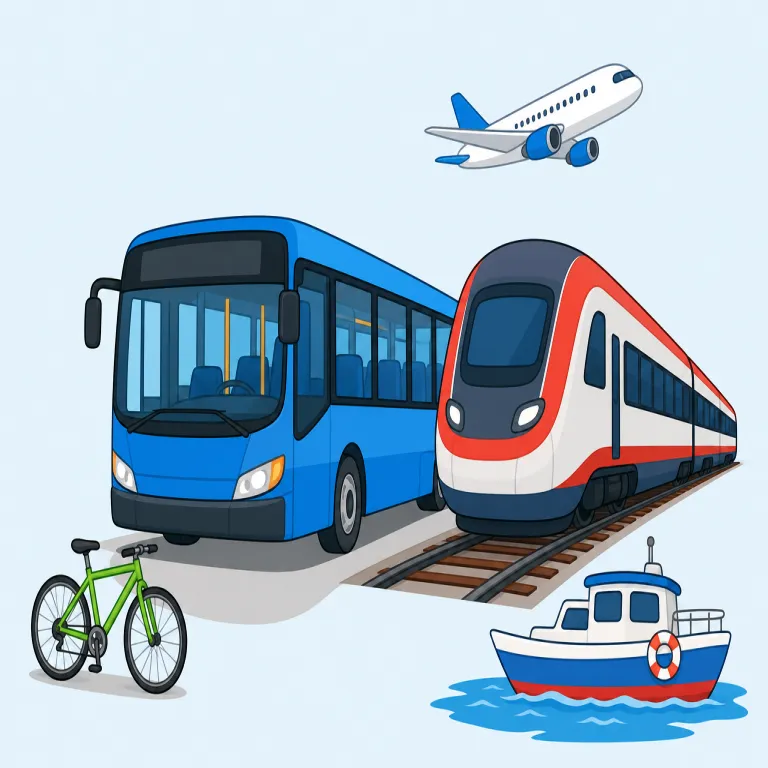
transportation
意味一覧 (2件)
輸送
解説 Definition
人、物、または商品をある場所から別の場所へ運ぶ行為や過程を指す。さまざまな輸送手段や方法を含み、陸上や海上、航空などを使って目的地へ届けることが多い。
Transportation means the system or methods used to move people or goods from one place to another. It is often used when talking about buses, trains, cars, roads, and other travel services. The word is common in city planning, travel, and daily life.
覚え方のコツ Memory Tip
transport を知っていれば核はそのまま「運ぶこと」。trans- は「向こうへ」、port は portable と同じく「運ぶ」で、-ation が付くと「行為・仕組み・全体」になり、transportation は「人や物を運ぶしくみ全体」と捉えると覚えやすい。public transportation は超頻出。transport が個別の輸送や動作を指しやすいのに対し、transportation は交通手段・制度・業界全体まで広く言える。traffic は交通量・渋滞寄りなので区別する。
Notice the long ending in `transportation`: it sounds broad and system-level. It usually means the whole set of ways people move, as in `public transportation` or `transportation system`. Think bigger than one `vehicle` and different from `traffic`, which is the movement itself.
例文
Public transportation is important in big cities.
大都市では公共交通が重要です。
The company provides transportation for food and other goods.
その会社は食品などの品物を輸送しています。
Transportation costs rose last year.
昨年、輸送費が上がりました。
輸送、運搬
(意味 2)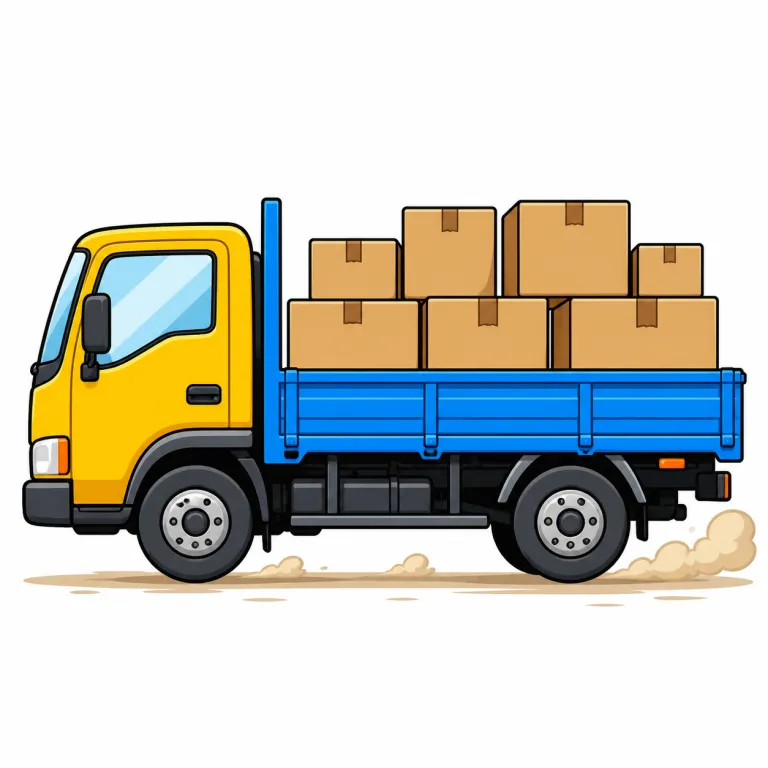
解説 Definition
人や物をある場所から別の場所へ運ぶことを表す名詞。乗り物そのものよりも、輸送という行為や仕組み、物流の流れ全体を指すときに使われる。ビジネス、都市計画、供給網の説明でよく見られ、やや改まった響きがある。
The process of moving people or goods from one place to another. It can refer to the arrangements and systems that make this movement possible, especially in business and supply networks.
例文
The transportation of food to remote areas is expensive.
遠い地域への食料の輸送には費用がかかる。
The company improved the transportation of goods between its warehouses.
その会社は倉庫間の商品の運搬を改善した。
Reliable transportation of supplies is essential during disasters.
災害時には物資の確実な輸送が不可欠だ。
transportation の類義語・関連語
transportation の語源・成り立ち Etymology
ラテン語 trans-(向こう側へ)+ portare(運ぶ)が語源。フランス語経由で英語に入り「物や人を別の場所へ運ぶこと」を意味する。関連語に transport(輸送する)、portable(持ち運べる)がある。port-は「港」のportと同根で、運搬が原義。
Transportation comes from Latin roots: trans-, meaning "across," and portare, meaning "to carry." It reached English through French and kept the basic idea of carrying people or things from one place to another. The meaning later expanded from the act itself to the whole system and means of moving things. Related words include transport and portable.
同じレベルの語彙をもっと
外部辞書で調べる
この英単語をクイズで覚えよう