
discrimination
discrimination は英検3級・TOEFL 60・IELTS 5.5レベルの英単語で、「差別、識別、見分け」という意味があります。発音記号は /ˌdɪskrɪmɪˈneɪʃən/ です。
意味一覧 (2件)
差別
discrimination の覚え方 How to remember discrimination
discriminate が動詞、discrimination が名詞。まず discriminate between A and B で『AとBを区別する』を押さえると、そこから人に向いたとき『不当に区別して扱う』へ意味が悪化した語だと覚えやすい。racial discrimination, gender discrimination, age discrimination の形で非常によく出る。difference は単なる違い、distinction は中立的な区別、discrimination は不公正さを含む、と並べて覚えると混同しにくい。
Start with the verb `discriminate`, which can mean `see a difference between things`. Then remember that with people, the word often becomes negative: unfair treatment based on that difference. Common pairs like `racial discrimination` and `gender discrimination` will help fix it in memory.
解説 Definition
特定の特性(人種、性別、年齢など)に基づいて、ある人や集団を不公正に扱う、または他の人々より悪く扱うこと。同等の価値を持つ人々に対して不当に異なる扱いをすることで、社会的な不平等が生じる。
Discrimination is unfair treatment of people because of things like race, sex, age, religion, or disability. The word is often used in social, legal, and workplace contexts.
例文
The policy protects employees from age discrimination.
その方針は従業員を年齢差別から守ります。
Applicants can report discrimination confidentially.
応募者は差別を秘密厳守で報告できます。
Training alone cannot eliminate workplace discrimination.
研修だけで職場での差別をなくすことはできません。
識別、見分け
(意味 2)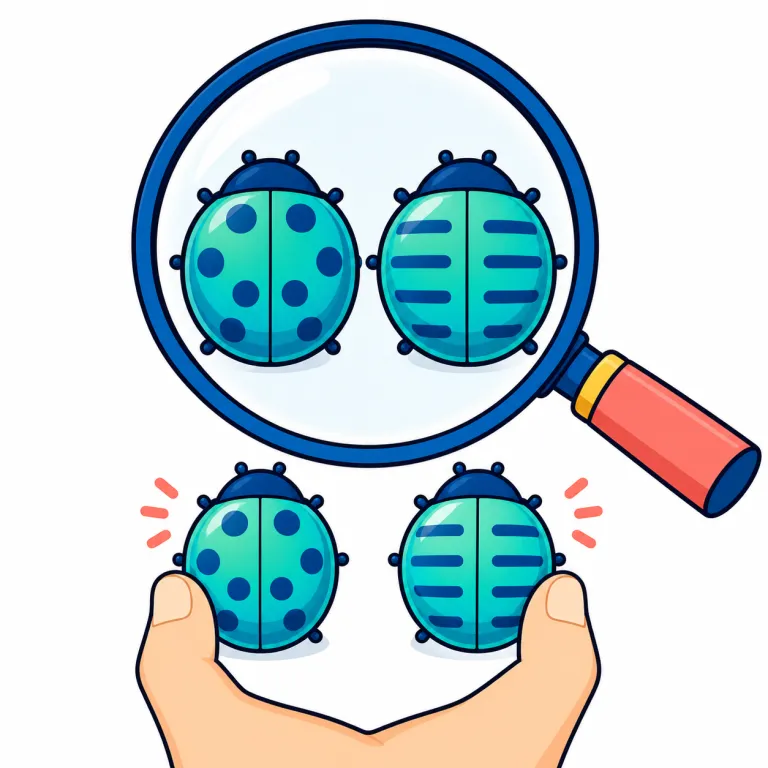
解説 Definition
discrimination は「差別」だけでなく、似たもの同士の違いを正確に見分けること、またはその能力も表します。心理学・医学・技術などの文脈で、音・色・味・信号の違いを区別するときによく使われます。日常語というより、やや中立的で専門的な響きがあります。
The act or ability of accurately noticing differences between similar things. This noun is often used in technical discussions of sounds, colors, tastes, or signals.
覚え方のコツ Memory Tip
discrimination はまず中立的に「違いを見分けること」として押さえると残りやすい。discriminate between A and B で「AとBを区別する」、そこから discrimination はその名詞形で「識別・見分け」。signal discrimination, visual discrimination, color discrimination のように、似た刺激や情報を正確に分ける場面でよく出る。racial discrimination など人に向くと「不当な差別」になるが、この語義では不公正さではなく、細かな違いを見抜く能力が中心だと切り分ける。
Learn discriminate between A and B as a phrase for telling two things apart. Its noun form, discrimination, names that process or ability; picture someone detecting small differences between two sounds.
例文
The device shows excellent discrimination between real signals and noise.
その装置は本物の信号とノイズを見分ける能力に優れている。
Sound discrimination helps children hear different words.
音の識別は、子どもが違う言葉を聞き分けるのに役立つ。
Taste discrimination helps cooks tell foods apart.
味の識別は、料理人が食べ物の味を見分けるのに役立つ。
discrimination の類義語・関連語
派生語
discrimination の語源・成り立ち Etymology
ラテン語 discriminare(区別する)から。dis-(分離)+ cernere(ふるい分ける)が語根で、「分けて見分ける」が原義。関連語: discern(見分ける)、crime(元は判断・選別の意)。本来は「識別力」だが、人に対して使うと「差別」の意味になった。
Discrimination comes from Latin discriminare, meaning "to separate" or "distinguish." Its roots suggest "sorting apart" and "deciding between things," which is also seen in related English words like discern. It first meant the ability to notice differences, but when applied to people it developed the negative sense of unfair treatment.
同じレベルの語彙をもっと
英検3級の一覧へ →外部辞書で調べる
この英単語をクイズで覚えよう