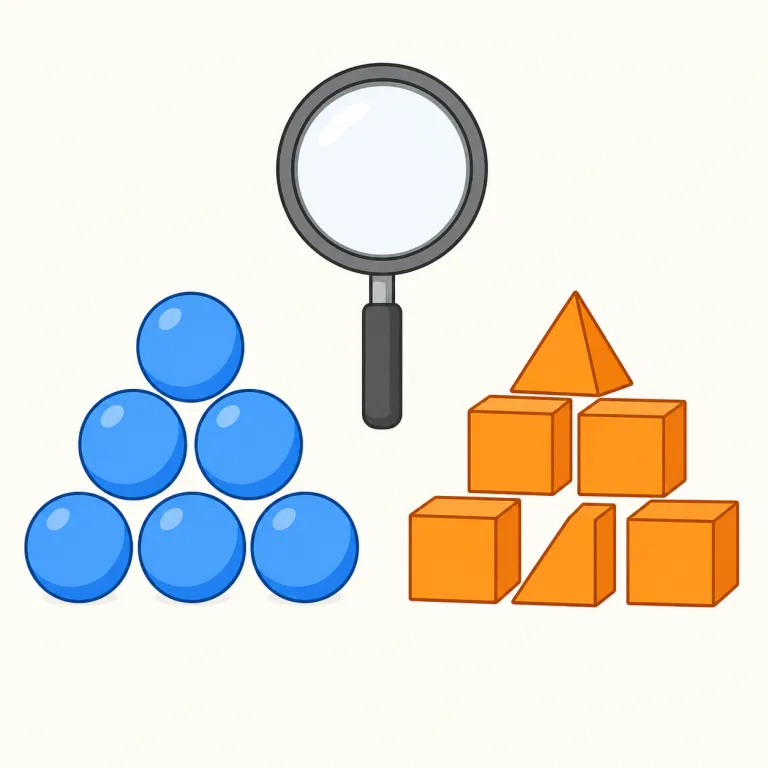
distinction
distinction は英検2級・TOEIC 730・TOEFL 60・IELTS 5.5レベルの英単語で、「区別、違い、卓越、優秀さ、栄誉、名誉」という意味があります。発音記号は /dɪˈstɪŋkʃən/ です。
意味一覧 (3件)
区別、違い
解説 Definition
二つ以上のものを見分けるための違いや、その違いを明確に区別することを指す語。考え方・性質・分類などの差を論じる場面でよく使われる。文脈によっては卓越した評価や栄誉の意味を持つこともあるが、基本は「区別・差異」である。
Distinction means a clear difference between two or more things. It is used when people want to separate ideas, qualities, or categories carefully. In some contexts, it can also mean special excellence or honor.
覚え方のコツ Memory Tip
distinct(はっきり異なる)や distinguish(見分ける)を知っていると覚えやすい名詞形。-tion が付くと「行為・結果・概念」を表すので、「見分けた結果としての違い・区別」とつながる。頻出は make/draw a distinction between A and B で「AとBを区別する」。 difference よりやや抽象的で、分類・議論・定義の文脈で出やすい。 distinct は形容詞、 distinction は名詞、と品詞もセットで固定すると混同しにくい。
Build this word from distinct or distinguish. Distinction is the difference you notice after separating two things clearly in your mind. The common pattern make a distinction between A and B is a useful phrase to remember it.
例文
She draws a clear distinction between facts and opinions.
彼女は事実と意見をはっきり区別している。
There is an important distinction between price and value.
価格と価値のあいだには重要な違いがある。
Young children sometimes struggle to make the distinction between fantasy and reality.
幼い子どもは空想と現実の区別をつけるのに苦労することがある。
卓越、優秀さ
(意味 2)解説 Definition
能力や出来栄えが他より抜きん出ていることを表す名詞。学問・芸術・仕事ぶりなどが高い水準にあり、上質さや際立った優秀さを評価するときに使う。
覚え方のコツ Memory Tip
distinct(はっきり異なる)や distinguish(見分ける)を知っていると覚えやすい名詞形。ここでは make a distinction の「区別」ではなく、他と区別されるほど出来がよい状態、と考えると「卓越、優秀さ」につながる。with great distinction は「大きな違いをつけて」ではなく、「非常に優れた出来で」という評価の響き。単なる difference ではなく、目立つほど上質という方向で固定すると混同しにくい。
例文
Her writing shows both simplicity and distinction.
彼女の文章には簡潔さと卓越性の両方が表れている。
He performed the piece with great distinction.
彼はその曲を卓越した演奏で披露した。
The school is known for academic distinction.
その学校は学業面での優秀さで知られている。
栄誉、名誉
(意味 3)解説 Definition
優れた業績や高い地位によって得られる名声や栄えを指す名詞。公式な表彰そのものよりも、それによって認められる誇りや社会的評価を述べるときに使われる。
覚え方のコツ Memory Tip
distinct(はっきり異なる)や distinguish(見分ける)を知っていると覚えやすい名詞形。ここでは「AとBの区別」ではなく、他の人から区別されるほど優れた実績があり、その結果として得る「栄誉、名誉」と考える。achieve distinction は「違いを達成する」ではなく、「名声ある地位に達する」感じ。首席卒業や大きな業績のように、周囲から特別に認められる場面で覚えるとぶれません。
例文
She won distinction as the top student in her class.
彼女はクラスの首席となり、栄誉を得た。
Few scientists achieve such distinction in their lifetime.
生涯のうちにそのような名誉を得る科学者はほとんどいない。
The award brought distinction to the entire team.
その賞はチーム全体に栄誉をもたらした。
distinction の類義語・関連語
distinction の語源・成り立ち Etymology
ラテン語 distinguere(区別する)の名詞形 distinctio から。dis-(離して)+ stinguere(突く、刺す)で「刺して分ける」が原義。関連語:distinguish(区別する)、distinct(明確な)。他と区別される優秀さから「名誉・卓越」の意味が生まれた。
"Distinction" comes from Latin distinctio, the noun form of distinguere, meaning to separate or mark off. It is built from dis- "apart" and a root linked to pricking or marking, giving the sense of separating by clear marks; related words are "distinguish" and "distinct." From the idea of being set apart from others, it also came to mean special honor or excellence.
同じレベルの英単語をもっと
英検2級の一覧へ →外部辞書で調べる
この単語を英単語クイズで覚えよう