myth
myth は英検2級・TOEFL 60・IELTS 5.5レベルの英単語で、「神話、俗説」という意味があります。発音記号は /mɪθ/ です。
意味一覧 (2件)
神話
解説 Definition
神々や英雄、世界の始まりなどについて語る、古くから伝わる物語を指します。文化や宗教の中で大切にされ、自然現象や人間社会の由来を説明することがあります。
A myth is a traditional story, often about gods, heroes, or the origins of the world. It can also mean a widely believed idea that is not actually true. The word is used both in literature and in everyday discussion.
覚え方のコツ Memory Tip
myth は mythology(神話学)の中心にある基本形として覚えると残りやすい語です。まず mythology を見たら『神々や世界の始まりを語る物語』を連想し、その核が myth だと押さえます。さらに myth は現代英語で『事実ではないのに広く信じられる話・俗説』にも広がるのが重要です。fact の反対側に置き、It’s a myth.=『それは作り話/俗説だ』で覚えると、神話の意味と比喩的な使い方の両方がつながります。legend は史実の核を含むことがある点も区別の助けになります。
Remember `myth` through the longer word `mythology`. `Myth` is the core word, and it also appears in modern English for a widely believed story that is not true. The contrast `fact or myth` is a useful memory hook.
例文
The children read a Greek myth about the god Apollo.
子どもたちはアポロン神についてのギリシャ神話を読みました。
This ancient myth explains how the world began.
この古代神話は世界がどのように始まったかを説明しています。
The hero fought a sea monster in the myth.
その神話では、英雄が海の怪物と戦いました。
俗説
(意味 2)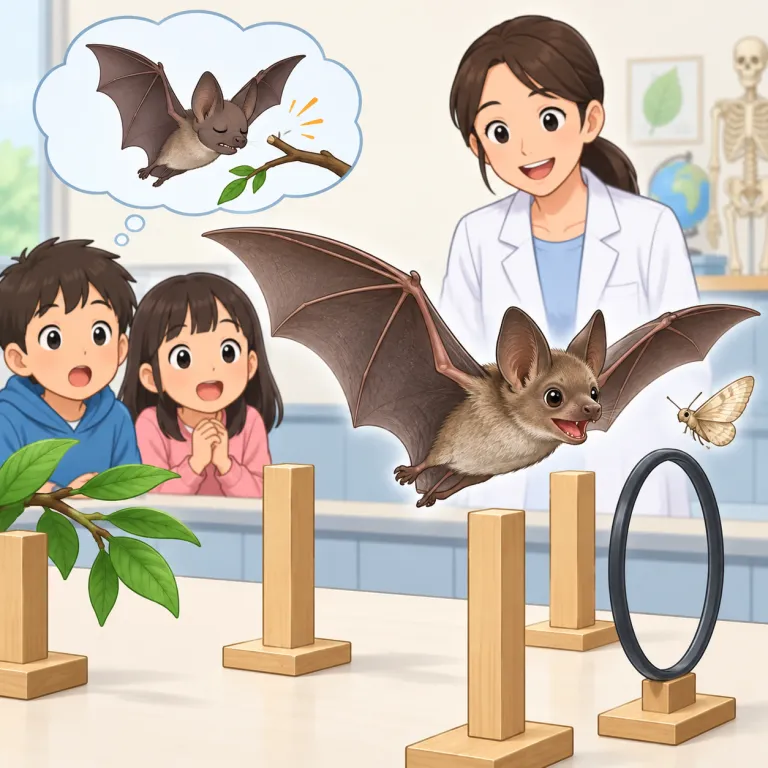
解説 Definition
事実のように広まっていても、実際には根拠が乏しい、または誤りだとわかっている考えを指す名詞。健康情報や歴史、社会常識について、広く信じられた誤解を打ち消す場面でよく使う。単なる作り話よりも、もっともらしく流布した通説という含みが強い。
A widely believed idea that has little supporting evidence or is known to be false. This noun is often used when correcting a popular misunderstanding that people repeat as fact.
例文
The idea that humans use only ten percent of their brains is a myth.
人間は脳の10パーセントしか使っていないという考えは俗説だ。
It is a myth that all bats are blind.
すべてのコウモリは目が見えないというのは俗説だ。
This book shows why common food myths are wrong.
この本は、食べ物に関するよくある俗説がなぜ間違いなのかを示している。
myth の類義語・関連語
類義語
紛らわしい語
myth の語源・成り立ち Etymology
myth はフランス語 mythe と近代ラテン語 mythus を経て、ギリシャ語 mythos「語られた話・物語」に由来します。もともと口伝えの物語を指した語なので、神々の話を意味するようになった流れが見えます。関連語は mythology、mythic。
"Myth" came into English through French mythe and Latin mythus from Greek mythos, meaning "speech," "story," or "tale." It first referred to a spoken story passed down by tradition. Because many of these stories were about gods and origins, the word became closely tied to traditional sacred or legendary tales. Related words are "mythology" and "mythic."
同じレベルの語彙をもっと
英検2級の一覧へ →外部辞書で調べる
この英単語をクイズで覚えよう