作り話、誤った俗説
noun 名詞事実であるかのように語られる根拠のない話や、広く信じられている誤った考えを指します。教訓を伝える物語ではなく、内容が真実でないことに重点がある用法です。
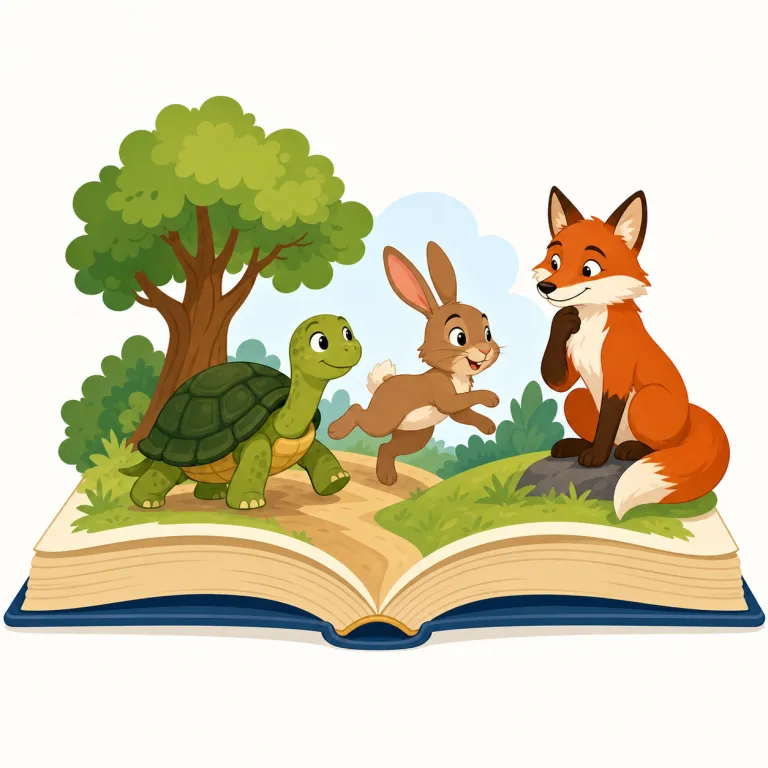
fable は英検準1級レベルの英単語で、「寓話」という意味があります。発音記号は /ˈfeɪbəl/ です。
寓話とは、道徳的な教訓を含む短編の物語です。動物や人物などが登場人物として使われることが多く、単純なプロットの中に深い意味を込めています。
A fable is a short story that teaches a moral lesson. It often uses animals or imaginary characters that act like humans. The word is mainly used for traditional stories and educational writing.
fable は story 系の語として覚えると定着しやすいです。Aesop's Fables を思い浮かべて、animals speak, and the story teaches a lesson までセットで結ぶと、「ただの作り話」ではなく「短くて教訓のある話」という核が残ります。似た tale は広く物語全般、myth は神話、fable は moral を含む寓話と切り分けると混同しにくいです。
Connect `fable` with `Aesop's Fables`. That gives you the image of a short story, often with talking animals, that teaches a lesson. This helps separate it from a general `tale` or a `myth`.
Aesop's fables teach children important moral lessons through stories.
イソップの寓話は、物語を通じて子どもたちに重要な道徳的教訓を教えます。
The fable of the tortoise and hare shows the value of persistence.
ウサギと亀の寓話は、忍耐の価値を示しています。
At bedtime, she read her grandchildren a fable about the value of kindness.
寝る前に、彼女は孫たちに思いやりの大切さを説く寓話を読み聞かせました。
文脈によって、次の意味でも使われます。
事実であるかのように語られる根拠のない話や、広く信じられている誤った考えを指します。教訓を伝える物語ではなく、内容が真実でないことに重点がある用法です。
fable は古フランス語 fable を経て、ラテン語 fabula「話、物語」に由来します。さらに fari「語る」にさかのぼり、「語られたもの」が「作り話」、そして教訓を含む「寓話」になりました。関連語は fate と infant で、「語る」という核から意味が広がったとわかります。
Fable came into English through Old French from Latin fabula, meaning "story" or "tale." That Latin word comes from fari, meaning "to speak," so the original idea was something spoken. Over time it came to mean an invented story, especially one that teaches a lesson.
この英単語をクイズで覚えよう