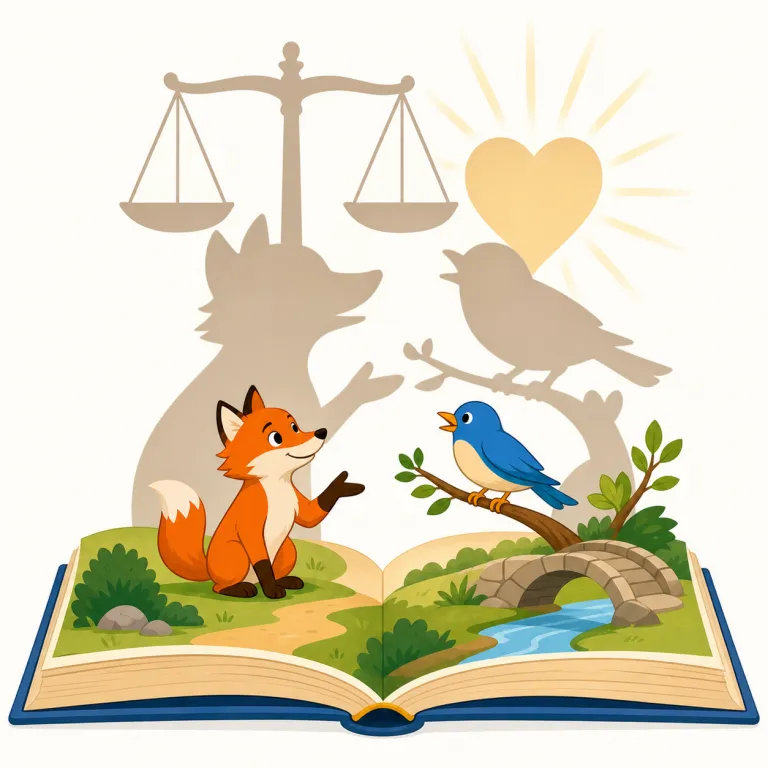
allegory
allegory は英検1級レベルの英単語で、「寓話」という意味があります。発音記号は /ˈæləˌɡɔːri/ です。
寓話
解説 Definition
登場人物や出来事が別の意味を象徴する物語やお話です。表面的な物語の背後に隠された深い意味や道徳的教訓があります。教訓や抽象的な概念を伝えるための文学表現です。
An allegory is a story, picture, or other work that has a hidden meaning under its surface meaning. It often uses characters and events to represent moral, political, or religious ideas. This word is common in literature and art.
覚え方のコツ Memory Tip
allegory は「表のストーリーの裏に、もう一つの意味が通っている物語」として覚える。story の仲間だが、ただ筋を追うだけでは足りず、登場人物や出来事が abstract な概念や道徳を象徴しているのが核心。symbol や metaphor が部分的な比喩なのに対し、allegory は物語全体で意味を運ぶことが多い。fable や parable と近いが、こちらは全体構造そのものが象徴的、という違いを意識すると定着しやすい。
Think of an allegory as a story with two layers: the surface story and a hidden meaning underneath. It is bigger than a single metaphor, because the whole story carries the message. Remember it with nearby words like fable and parable, but note that allegory often uses the full structure of the story as symbols.
例文
Plato's Cave is a famous allegory about perception and reality.
プラトンの洞窟は知覚と現実についての有名な寓話です。
The novel uses allegory to critique social injustice.
その小説は寓意的な表現を用いて社会の不正を批判しています。
Students studied the allegory to understand its moral message.
学生たちは、その道徳的なメッセージを理解するために寓話を学びました。
allegory の類義語・関連語
allegory の語源・成り立ち Etymology
allegory はギリシャ語 allegoria 由来で、allo-「別の」+ agoreuein「語る」に分けられる。直訳は「別のこととして語る」で、表の話に裏の意味を忍ばせる仕組みが語源そのもの。allegorical や agora も近縁で、寓話が二重に語る形式だと分かる。
Allegory comes from Greek allegoria, from allos meaning "other" and agoreuein meaning "to speak in public". The original idea was "speaking of one thing in terms of another." That is how the word came to mean a story with a hidden second meaning under the surface.
同じレベルの語彙をもっと
英検1級の一覧へ →外部辞書で調べる
この英単語をクイズで覚えよう