
意味一覧 (2件)
象徴、象徴的表現
解説 Definition
あるものを、別のものや考えを表すしるしとして使うことを表します。たとえば、ハトが平和を表したり、赤いバラが愛を表したりするような表し方です。
The use of an object, color, action, or sign to represent an idea or feeling. For example, a dove can represent peace.
覚え方のコツ Memory Tip
symbolism は symbol「象徴、しるし」+ -ism「表現の仕組み・考え方」と分け、目に見える物に別の意味を託す方法と覚えると定着しやすい語です。ハトそのものを描くだけでなく、それによって平和を示すのが dove symbolism、赤いバラで愛を示すのが rose symbolism。the symbolism of red「赤色が担う象徴的意味」や use flower symbolism「花による象徴表現を使う」という型で、物と背後の意味を二層にして捉えましょう。
Symbolism is about using symbols. Think of a symbol carrying a hidden or special meaning.
例文
The picture uses dove symbolism to show peace.
その絵は、平和を表すためにハトの象徴的表現を使っています。
The story uses flower symbolism to show the girl's feelings.
その物語は、花の象徴的表現を使って少女の気持ちを表しています。
We talked about the symbolism of the red color in the flag.
私たちは、その旗の赤い色が何を象徴しているかについて話しました。
象徴主義
(意味 2)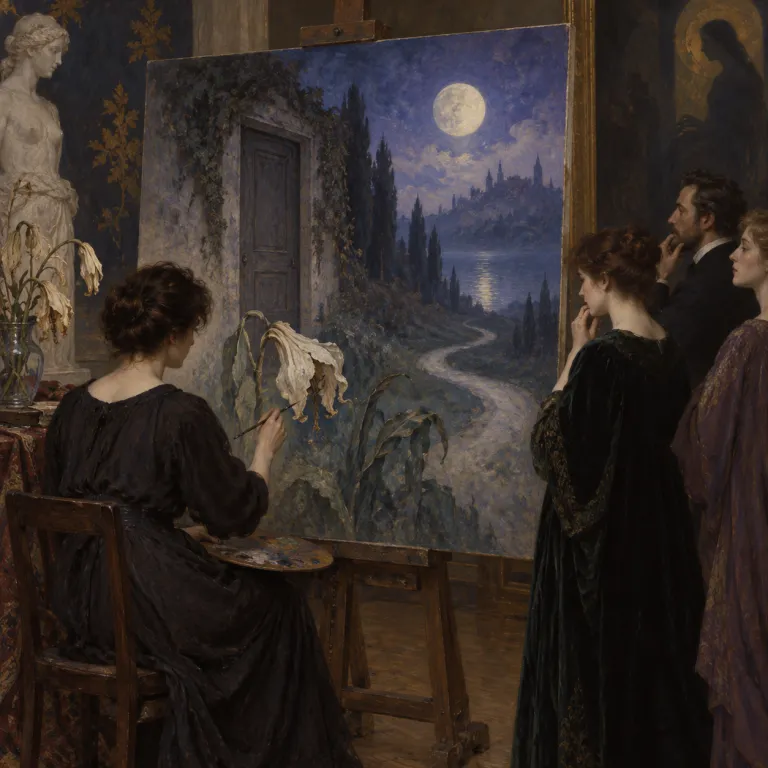
解説 Definition
19世紀後半にヨーロッパで起こった文学・芸術上の運動です。思想や感情を直接描写するのではなく、象徴や暗示を通して表現することを重視しました。
Symbolism is the use of symbols to express deeper ideas, feelings, or meanings. It is common in literature, art, film, and religion, where a thing may represent more than its direct meaning. In a more specific sense, it can also refer to the Symbolist movement in art and literature.
覚え方のコツ Memory Tip
symbol「象徴」と -ism「主義・運動」を手がかりに、「象徴を重視する文学・芸術運動」と覚えましょう。この語義の Symbolism は、個々の作品で象徴を使う一般的な手法ではなく、19世紀後半にヨーロッパで広がった象徴主義を指します。French Symbolism「フランス象徴主義」のように、国や地域を表す語と結び付けると定着しやすくなります。
The ending `-ism` often names an idea or art movement, like `realism` or `impressionism`. So `symbolism` is easy to store as a school or movement, not just a general word. Learn it together with `Symbolist` in literature and art history contexts.
例文
Symbolism emerged as an artistic and literary movement in late nineteenth-century Europe.
象徴主義は19世紀後半のヨーロッパで芸術・文学運動として生まれました。
The poet was strongly influenced by French Symbolism.
その詩人はフランス象徴主義から強い影響を受けました。
The exhibition traces the development of Symbolism in European painting.
その展覧会はヨーロッパ絵画における象徴主義の発展をたどっています。
symbolism の類義語・関連語
symbolism の語源・成り立ち Etymology
symbolism は symbol からできた語です。symbol はギリシャ語に由来し、もともとは「しるし」や「合図」のような考えを表しました。
Symbolism comes from symbol plus the suffix -ism. Symbol comes through Latin from Greek symbolon, meaning a sign or token.
同じレベルの語彙をもっと
外部辞書で調べる
この英単語をクイズで覚えよう