権利・利益などを損なう、不利にする
verb 動詞改まった用法で、人の権利・利益・機会や公正な判断などに悪影響を与え、不利にすることを表します。prejudice someone's rightsやprejudice a fair trialのように使われます。
prejudice は英検2級・TOEFL 60・IELTS 5.5レベルの英単語で、「偏見」という意味があります。発音記号は /ˈprɛdʒədɪs/ です。
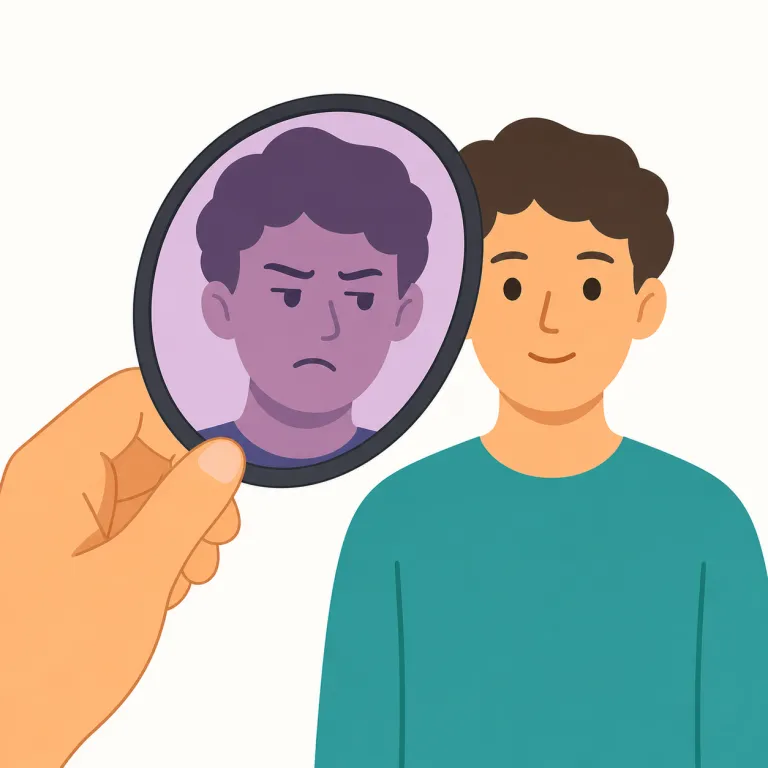
ある人や集団に対して根拠なく否定的に見たり判断したりすることです。こうした思い込みは本人にも周囲にも不利益を生み、不公正な扱いの原因になります。公正な判断を妨げる恐れがあるので、意識して取り除く必要があります。
Prejudice is an unfair negative opinion about a person or group formed before knowing the facts. It is often based on race, sex, religion, age, or other social differences.
judge(判断する)を知っていれば、prejudice は「先に judge してしまう気持ち」と結びつけると残りやすい。事実を見たり相手を知ったりする前に、頭の中で結論を出してしまう感じ。racial prejudice, prejudice against immigrants のように、特定の集団への固定的で否定的な見方でよく出る。bias より根深い響きがあり、discrimination はその偏見が実際の扱いに表れたもの、と並べると区別しやすいです。
Notice the idea of `judge` inside it: `prejudice` is like judging someone before you really know them. The memory hook is `pre-` plus an early judgment in your mind. It is deeper and stronger than `bias`, while `discrimination` is when that attitude turns into action.
Prejudice against minorities is unacceptable.
少数派への偏見は容認できません。
She worked to overcome her prejudices.
彼女は自分の偏見を克服しようと努力しました。
The prejudice in the system affected many communities.
制度に根ざした偏見が多くのコミュニティに影響を与えました。
この語をはじめて出題された 60人 のうち 45人 が正解しました(75%)。
えいたんごクイズの回答から集計した独自データです。1人につき最初に出題されたときの1回だけを数えており、復習や2回目以降の回答、「わからない」と時間切れは含みません。 集計時点は 2026年9月19日 です。
文脈によって、次の意味でも使われます。
改まった用法で、人の権利・利益・機会や公正な判断などに悪影響を与え、不利にすることを表します。prejudice someone's rightsやprejudice a fair trialのように使われます。
prejudice は古フランス語 prejudice を経て、ラテン語 praeiudicium「事前の判断」に由来します。prae-「前もって」+ iudicium「判断」という分解どおり、事実を十分見る前に判定してしまうことが「偏見」になり、関連語に prejudge, judicial があります。
Prejudice comes from Latin praeiudicium, meaning "a judgment made beforehand," through Old French. It is made from prae- "before" and iudicium "judgment." The meaning shifted from any early judgment to the negative idea of judging before knowing the facts. Related English words include prejudge and judicial.
この英単語をクイズで覚えよう