
intolerance
intolerance は英検準1級レベルの英単語で、「不寛容、不耐性」という意味があります。発音記号は /ɪnˈtɑːlərəns/ です。
意味一覧 (2件)
不寛容
解説 Definition
不寛容とは、自分と異なる意見や信条・習慣・人々を受け入れられない態度や性格を表す名詞です。宗教的・人種的・文化的などの違いを認められない偏狭さを指し、差別や紛争に発展することがあります。医学では、特定の食品や薬物に対して体が反応し耐えられない状態(たとえば乳糖不耐症)を意味することもあります。
Intolerance is an unwillingness to accept ideas, beliefs, or people who are different from one's own views or group. It is often used in social, political, and religious contexts. In another meaning, it can also describe a physical inability to handle certain foods or substances.
覚え方のコツ Memory Tip
まず tolerate「我慢する・受け入れる」、tolerant「寛容な」を軸に置くと覚えやすいです。そこに否定の in- が付いて intolerance で「受け入れられなさ」。単に like しないだけでなく、違う考え・文化・人を認めない硬さまで含む名詞だと意識すると定着します。religious intolerance, racial intolerance のように社会問題の文脈でよく出て、反対側に tolerance があるとセットで覚えると意味がぶれません。impatience のような「待てない感じ」ではなく、違いへの不寛容だと切り分けるのがコツです。
Think of tolerate and tolerant first. Then add the negative prefix in- to get intolerance, the inability or refusal to accept something different. It is often used for attitudes toward people, beliefs, or cultures, not just simple dislike. Pairs like tolerance and intolerance make the contrast easy to remember.
例文
Intolerance of other cultures can lead to conflict.
異文化への不寛容は、対立につながることがあります。
His intolerance of different opinions upset his friends.
異なる意見に対する彼の不寛容な態度は、友人たちを困らせました。
Our school teaches that intolerance can hurt people.
私たちの学校では、不寛容は人を傷つけると教えています。
不耐性
(意味 2)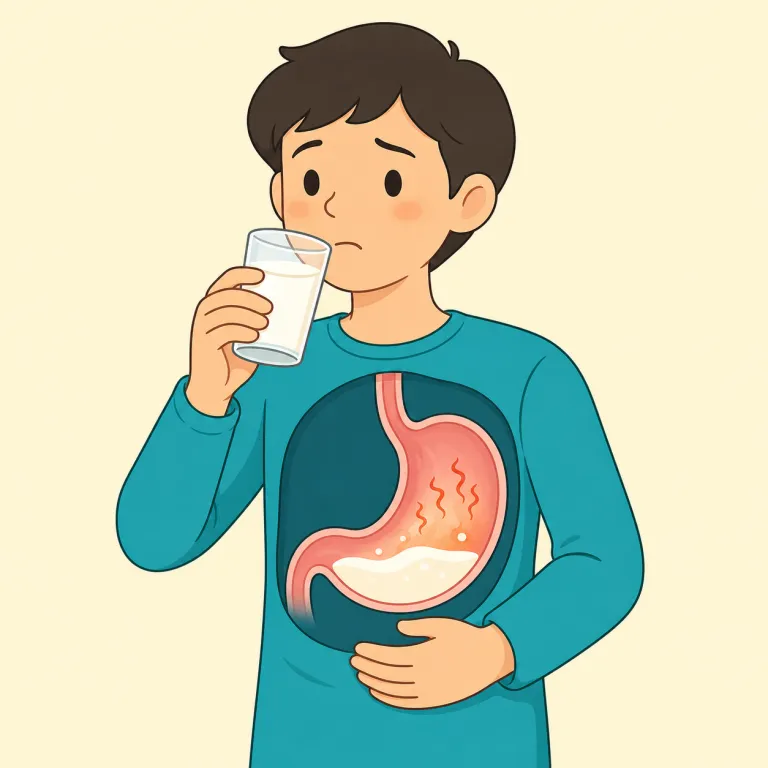
解説 Definition
特定の食べ物・薬・成分などを体がうまく受けつけず、腹痛や下痢、発疹などの不調が起こる状態を指す。医療や栄養の文脈でよく使われ、lactose intolerance のように原因となる物質を前に置いて表すことが多い。
This noun describes a condition in which the body does not handle a particular food, medicine, or ingredient well and develops unpleasant symptoms. It often appears after the name of the substance involved, especially in medical or nutrition contexts.
覚え方のコツ Memory Tip
まず tolerate「耐える・受け入れる」を軸に置くと覚えやすいです。そこに否定の in- が付いて intolerance で「耐えられなさ」。医療や栄養では、体が milk や特定の food, drug をうまく処理できず、不調が出る状態を指します。lactose intolerance のように原因物質を前に置く形で覚えると文脈が見えます。religious intolerance のような「不寛容」ではなく、ここでは体が成分に耐えられない「不耐性」だと切り分けるのがコツです。
Start with tolerate, meaning “endure” or “accept.” The prefix in- gives the idea of not being able to tolerate something, and the medical context shows that it is the body that cannot handle a particular substance well.
例文
She has lactose intolerance, so she avoids milk.
彼女は乳糖不耐性なので、牛乳を避けている。
Food intolerance can cause stomach pain after meals.
食物不耐性は食後に腹痛を引き起こすことがある。
The doctor tested him for gluten intolerance.
医師は彼がグルテン不耐性かどうか検査した。
intolerance の類義語・関連語
intolerance の語源・成り立ち Etymology
intolerance はラテン語 tolerare「耐える・我慢する」由来の tolerant に、否定の接頭辞 in- が付いた語。つまり元は「耐えられないこと」で、他者の違いや意見を受け入れない意味へ伸びた。tolerate, tolerant も同じ語根を持つ。
Intolerance is built from in-, meaning "not," and a word from Latin tolerare, meaning "to endure" or "bear." It first had the basic sense of not being able to tolerate something. From there, it developed into the idea of refusing to accept differences in people, views, or conditions; tolerate and tolerant share the same root.
同じレベルの語彙をもっと
英検準1級の一覧へ →外部辞書で調べる
この英単語をクイズで覚えよう