
意味一覧 (3件)
寛容
解説 Definition
人の欠点や違い、意見の食い違いをすぐに非難せず、受け入れる姿勢を表します。性格や社会の雰囲気について述べるときによく使われ、多様性を認める文脈で現れやすい語です。
It means a willingness to accept people's differences, faults, or opinions without quickly criticizing them. It is often used when discussing personality, diversity, or the atmosphere of a society.
覚え方のコツ Memory Tip
まず動詞 tolerate「我慢する・許容する」を土台にすると覚えやすいです。tolerance はその名詞形で、「どこまで受け入れられるか」という幅や度合い。人については cultural/religious tolerance で「寛容さ」、機械や設計では within tolerance で「許容誤差内」。zero tolerance は「一切認めない」で頻出です。単なる patience(辛抱強さ)より、違いやずれを許す感覚が強い語です。
Connect tolerance with the verb tolerate, meaning to accept or put up with something. Unlike patience, it especially emphasizes accepting differences or disagreements.
例文
The teacher showed great tolerance toward different opinions.
その教師は異なる意見にとても寛容だった。
A healthy society needs tolerance of cultural differences.
健全な社会には文化の違いへの寛容が必要だ。
Her tolerance made it easy for everyone to speak freely.
彼女の寛容さのおかげで、皆が自由に発言しやすかった。
耐性
(意味 2)
解説 Definition
薬・アルコール・暑さ・寒さ・ストレスなどに対して、影響を受けにくくなる性質を指します。医学や生物学で特によく使われ、繰り返し接することで効きにくくなる場合にも用いられます。
This noun refers to the ability to be less affected by a drug, alcohol, temperature, stress, or another influence. It can develop after repeated exposure, causing the same amount of a substance to have less effect.
覚え方のコツ Memory Tip
まず動詞 tolerate「耐える・我慢する」を土台にすると覚えやすいです。tolerance は、薬・寒さ・ストレスなどにどれだけ耐えられるかという性質や度合いで、「耐性」とつながります。build up a tolerance は、繰り返し接するうちに薬やアルコールなどが効きにくくなることです。寛容さや許容誤差の意味もありますが、この項目では「影響を受けにくい力」として覚えます。
Connect tolerance with tolerate, meaning to endure something. The common phrase build up a tolerance describes gradually becoming less affected by a drug, alcohol, or another influence.
例文
Some people develop tolerance to this medication.
人によってはこの薬への耐性がつくことがある。
He built up a tolerance to the medication over time.
彼は時間とともにその薬への耐性がついた。
These plants have a high tolerance for cold weather.
これらの植物は寒さへの高い耐性を持っている。
許容度
(意味 3)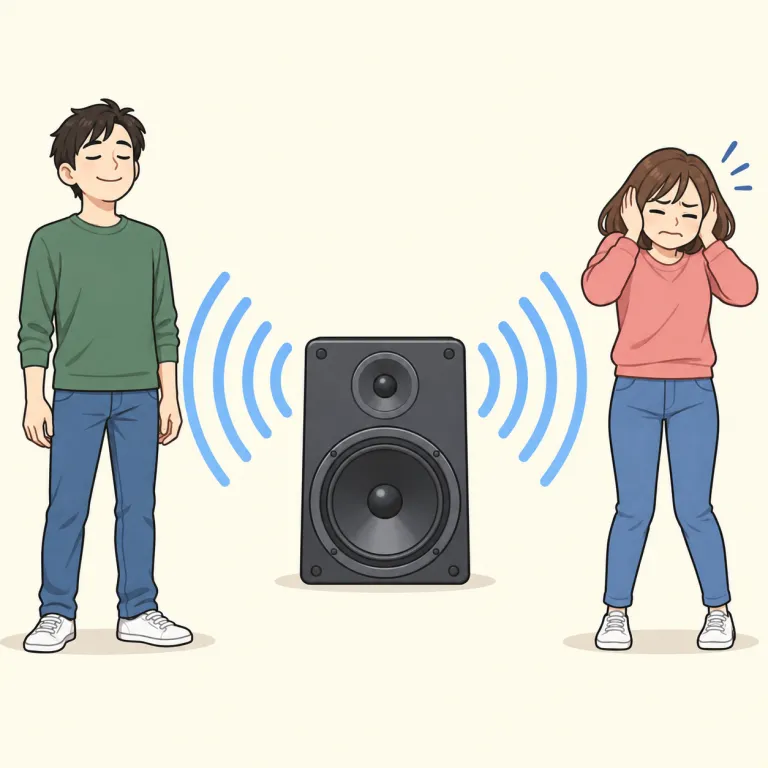
解説 Definition
何かを受け入れたり許可したりする心の余裕や傾向を指します。完璧でない状態やわずかな違いを認め、柔軟に対応する能力も含まれます。検査や設計の現場では、許される誤差の範囲を指してこの言葉を使います。
Tolerance is the ability or willingness to accept something, even if you do not fully like or agree with it. It can also mean how much of something, such as pain, heat, or stress, a person or system can handle.
例文
The company has a high tolerance for risk.
その会社はリスク許容度が高い。
My tolerance for loud noises is very low.
私は大きな音への耐性が非常に低い。
This machine part requires very tight tolerances for accurate machining.
この機械部品を正確に加工するには、非常に厳しい公差が必要だ。
tolerance の類義語・関連語
tolerance の語源・成り立ち Etymology
ラテン語 tolerare(耐える・我慢する)から出た tolerantia が、フランス語を経て英語に入りました。語根 toler- は「重さや違いを持ちこたえる」感覚で、そこから「許容度」「寛容」の意味になります。関連語は tolerate、tolerable です。
It comes through French from Latin tolerantia, which was formed from tolerare, meaning “to endure.”
同じレベルの語彙をもっと
外部辞書で調べる
この英単語をクイズで覚えよう