
制度全体に及ぶ、構造的な
解説 Definition
個別の部分ではなく、制度・組織・社会の仕組み全体に関わることを表す形容詞。問題や変化、差別などが一部にとどまらず全体に広がっている状態や、表面的な対処では解決しにくい根本的な構造に原因がある場合に使う。
Systemic describes something that affects or belongs to an entire system, not just one part of it. It is often used for problems in organizations, society, healthcare, or the economy. This word suggests a deep, structural issue rather than a small or temporary one.
覚え方のコツ Memory Tip
system を見たら、まず「個々の人や出来事ではなく、仕組み全体」を連想すると覚えやすいです。systemic は「その system の中に問題や特徴が組み込まれていて、全体に広がっている」感じ。systematic(体系的な・計画的な)とは似て見えて別語なので要注意。a systemic problem, systemic racism, systemic risk のように、原因が一部ではなく制度・組織そのものにある場面でよく出ます。isolated や local の反対側に置くと定着しやすいです。
You can see `system` inside `systemic`, so think about a problem built into the whole system, not just one person or one case. It often appears in phrases like `systemic racism` and `systemic inequality`. Be careful with `systematic`, which means organized or methodical, not deep in the system itself.
例文
Systemic racism is a deep societal problem.
制度全体に及ぶ人種差別は、社会に深く根づいた問題だ。
We need systemic changes in the healthcare system.
医療制度には、仕組み全体に関わる改革が必要だ。
Systemic issues require comprehensive solutions.
構造的な問題には、包括的な解決策が求められる。
全身性の、全身の
(意味 2)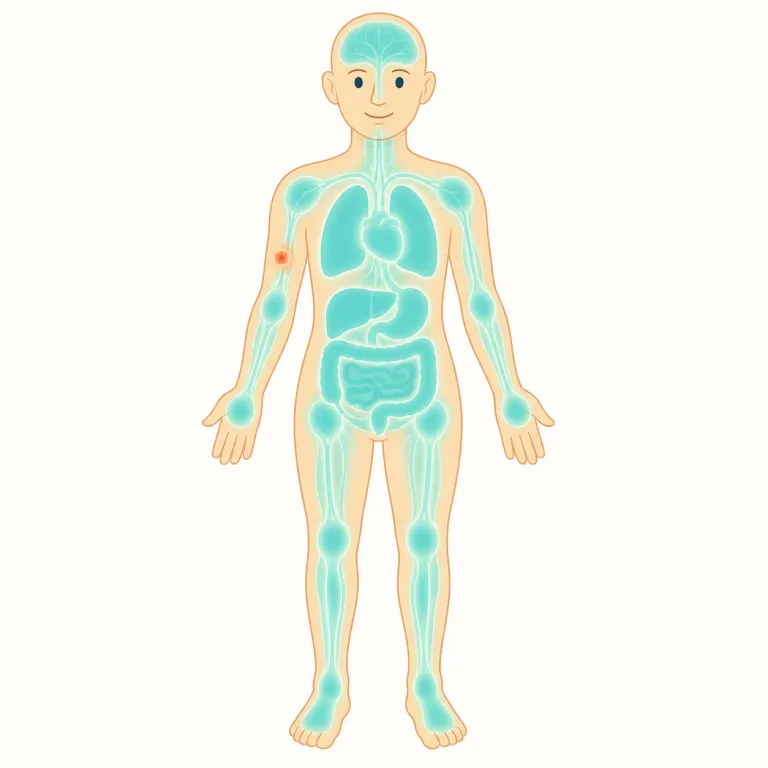
解説 Definition
主に医学で、病気・炎症・薬の作用などが体の一部だけでなく、全身に広がって及ぶことを表す。局所的な症状や処置と対比され、複数の臓器や体全体への影響を述べるときに使う。感染症、自己免疫疾患、薬の副作用の説明で特によく見られる。
In medicine, this adjective describes a disease, condition, or effect that involves the whole body rather than one limited area. It is often used for infections, autoimmune diseases, and medication side effects affecting multiple organs or body systems.
覚え方のコツ Memory Tip
systemic を医学で見たら、「体という system 全体に回る」と考えると覚えやすいです。systemic infection は感染が一か所にとどまらず全身へ広がる感じ、systemic side effects は薬の影響が局所ではなく体全体に出る感じです。制度や組織の systemic problem とは同じ「全体に関わる」核を持ちますが、医学文脈ではまず body-wide「全身性の」と切り分けましょう。local や topical の反対側に置くと定着しやすいです。
Think of the body as one complete system: a systemic condition affects that system widely. Contrast it with local or topical, which describe effects limited to a particular area.
例文
The infection became systemic and affected multiple organs.
その感染は全身に及び、複数の臓器に影響した。
This medication can cause systemic side effects.
この薬は全身性の副作用を引き起こすことがある。
Lupus is a systemic autoimmune disease.
ループスは全身性の自己免疫疾患だ。
systemic の類義語・関連語
systemic の語源・成り立ち Etymology
systemic は system に形容詞語尾 -ic が付いた語で、後期ラテン語 systema、さらにギリシャ語 systēma「組み合わされた全体」に由来する。もとは syn-「共に」+ histanai「立てる」を含み、部分が一緒に立って成る全体という発想から、制度・組織・社会の仕組み全体に及ぶ「構造的な」の意味になる。関連語は systematic。
Systemic comes from system plus the adjective ending -ic. System goes back through Late Latin to Greek systema, meaning "an organized whole," from roots meaning "put together." Because of that origin, systemic came to mean something connected to the whole structure rather than one small part. A related English word is systematic.
同じレベルの語彙をもっと
外部辞書で調べる
この英単語をクイズで覚えよう